Designing Hospitality Spaces That Deliver Memorable Guest Experiences
Walk into a really good hotel and something just clicks before you can explain why. The space feels right. Everything flows naturally.
Author:George EvansFeb 07, 202657 Shares14.2K Views
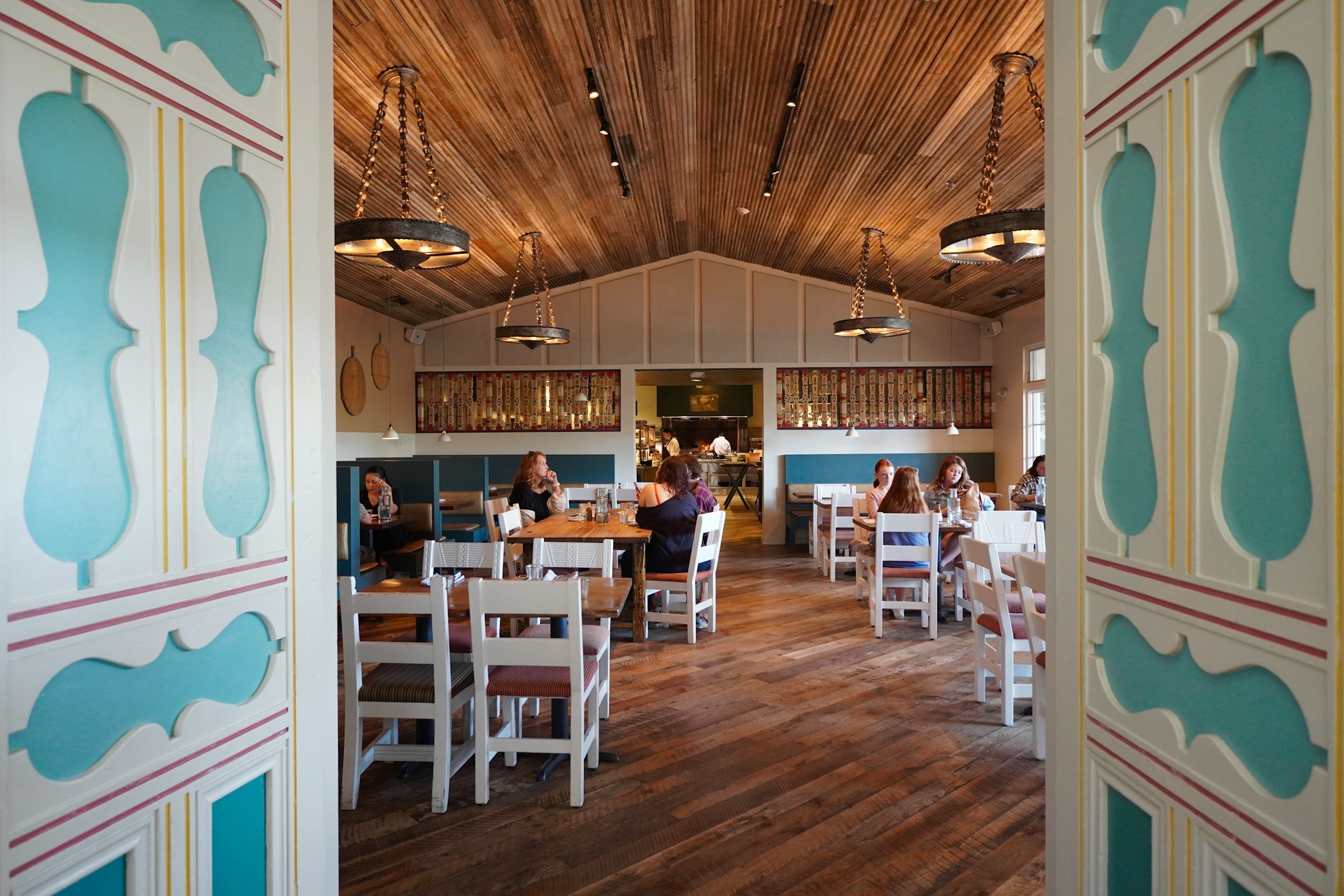
Walk into a really good hotel and something just clicks before you can explain why. The space feels right. Everything flows naturally. Then walk into a mediocre one, and it's all slightly off, like someone designed it from a checklist without thinking about how actual humans use rooms. Creating memorable experiences isn't about expensive finishes or chasing trends. It's understanding how design choices affect how people feel.
1. The Entrance Decides Everything In Ten Seconds
People form opinions about hospitality spaces shockingly fast. Dark, cramped, confusing entry? Guests assume everything else will disappoint, too, even if the rooms are gorgeous. That entrance already killed the vibe. A welcoming entrance that clearly shows where to go relaxes people immediately. They expect quality throughout.
Entry design needs to balance impressive with approachable. Nobody wants to walk in feeling underdressed or worried about touching things. Good lighting helps. Clear sightlines to the reception desk. Traffic flow that makes sense without creating bottlenecks. These boring basics matter infinitely more than some expensive sculpture everyone has to navigate around awkwardly.
2. Lighting Makes Or Breaks The Atmosphere
Terrible lighting destroys otherwise beautiful spaces faster than anything. Too bright feels like a hospital cafeteria. Too dark, and guests stumble around squinting at menus. Hospitality spaces need different types of lighting working together. Task lighting where people actually need to see. Ambient lighting creating mood. Accent lighting highlighting features worth noticing.
Working with an experienced London interior designerreveals how much thought goes into lighting that feels effortless. Dimmers allowing adjustments throughout the day. Different zones creating variety in open spaces. Warm color temperatures making people look good, which matters more than anyone admits. Natural light where possible. These details blend into lighting that enhances everything without guests consciously noticing why the space feels great.
3. Pretty Furniture That Hurts Is Just Bad Design
Chairs that photograph beautifully but feel like rocks after twenty minutes ruin experiences. Restaurants with stunning seating that wrecks backs before appetizers arrive. Hotel lobbies with gorgeous couches somehow both too firm and weirdly shaped. Bar stools perfect for photos but wrong height for the actual bar. When aesthetics ignore comfort, design fails regardless of Instagram likes.
Test furniture properly before buying. Sit there for half an hour. Have different sized people try it. Think about actual use cases. Bar seating needs different features than dining chairs. Lobby furniture serves different purposes than guest room seating. Matching comfort to real usage beats selecting on appearance alone.
4. Layout Shapes Behavior Without Guests Noticing
Smart layouts guide people naturally without needing signs everywhere. Clear paths to important spots. Logical flow from entrance to seating to bathrooms. Spaces that feel intuitive reduce stress and improve satisfaction. Confusing layouts frustrate people even when everything looks beautiful.
Different guests use spaces differently. Business travelers want fast access to workspaces and coffee. Vacation people want chill zones. Families need kid-friendly areas that don't annoy other guests. Great design accommodates competing needs through smart zoning and flexible layouts.
Creating Experiences That Stick
Great hospitality design is invisible. Guests walk in and just feel good. They don't think about the lighting or notice the layout. They simply relax. That's when you know the space works. Every choice you made - from the entrance flow to the chair height - fades into the background while the experience shines.
George Evans
Author
George Anderson, an exceptional architectural designer, envisions and brings to life structures that transcend the realm of imagination. With an unwavering passion for design and an innate eye for detail, George seamlessly blends form and function, creating immersive spaces that inspire awe.
Driven by a deep appreciation for the interplay of space, light, and materials, George's innovative approach redefines the possibilities of architectural design. His visionary compositions leave an indelible mark, evoking a sense of wonder and transforming the built environment.
George Anderson's transformative designs and unwavering dedication continue to shape the architectural landscape, pushing the boundaries of what is possible and inspiring generations to come.
Latest Articles
Popular Articles