Rock-cut Architecture - How Geology Shapes Light, Water, And Space
Understand rock-cut architecture through the CARVE model: typologies, global regions, and simple cues for reading carved space like a designer
Author:George EvansFeb 07, 2026804 Shares47.3K Views
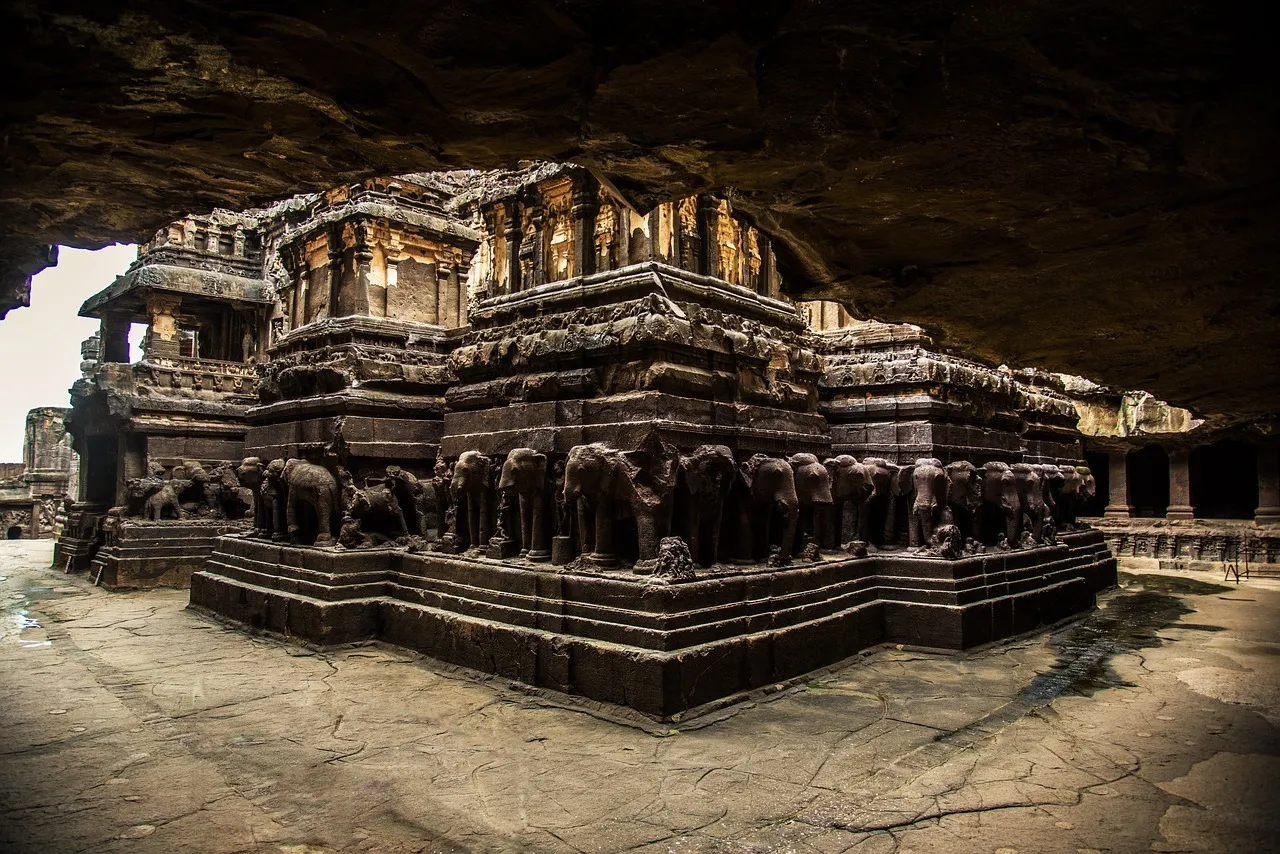
Rock-Cut Architecture: Why Geology Is The First Architect
A visitor steps into a rock-cut hall and feels something modern buildings rarely deliver: the certainty that space and structure are the same thing.
No cladding, no hidden frame-just carved mass, light, and silence working as one.
Rock-cut architecture matters because it’s a design tradition where the site’s geology isn’t a constraint you solve. It’s the material that writes the plan, sets the proportions, and dictates how people move, gather, and remember.
Key Takeaways
- Rock-cut architecture is made by excavating living rock; the building is formed by removal, not assembly.
- The big typologies are cave temples, cliff façades/tombs, rock-hewn monoliths, hypogea (underground chambers), and rock-cut settlements.
- It flourished where permanence, ritual, burial, defense, and climate logic made rock the most persuasive medium.
- Global landmarks include Ajanta, Ellora, Petra, Lalibela, Cappadocia (Göreme), Matera, and the Ħal Saflieni Hypogeum.
- Preservation is often about controlling water, erosion, humidity/microclimate shifts, and visitor wear.
The Subtractive Philosophy: How Rock-Cut Architecture Differs From Masonry
This section explains the counterintuitive engineering logic required to build by taking away material.
In traditional additive construction, if a mason makes a mistake or a brick cracks, the piece is simply replaced. In rock-cut architecture, there is no undo button. Once a piece of stone is chipped away, it is gone forever.
The most fascinating aspect of this method is the top-down construction workflow. Picture a team of carvers standing on the crest of a basalt cliff.
Instead of building up from the ground, they began at the very top of the structure-the roof. By carving downward, the waste rock fell away naturally, and the solid stone beneath served as a stable platform for the workers.
This ingenious approach removed the logistical nightmare of transporting massive timbers for scaffolding across difficult terrain.
This inverted engineering meant that the ceiling was finished first, followed by the columns, and finally the floor.
It allowed ancient builders to create vast, complex interiors within the heart of the earth without the risk of collapse during the construction phase.
The CARVE Model For Reading Rock-cut Architecture Like A Designer
You’ll gain a repeatable method to read any rock-cut site-whether it’s a Buddhist chaitya, a Nabataean façade, or a hypogeum. Instead of memorizing lists, you’ll learn how carved space behaves.
CARVE Model
- C - Context: geology + purpose
- A - Axis: procession + thresholds
- R - Removal strategy: sequencing + typology
- V - Void performance: light, water, acoustics, thermal mass
- E - Erosion & ethics: conservation realities
Rock-cut architecture is unforgiving: the builder can’t move a column later if the ceiling is already carved. Research on rock-cut excavation highlights how much we infer from physical analysis of the architecture itself, tool traces, geometry, and sequencing logic.
Takeaway:Start with context, because in rock-cut work, geology isn’t background; it’s the first design brief.
Context: Why Carve Here, In This Rock, For This Program
A curator points to a cliff and says, This rock decides the room. Basalt, sandstone, tuff, and limestone don’t just look different-they weather differently, carry spans differently, and accept carving differently.
UNESCO’s descriptions often tie significance to setting: Petra’s red sandstone landscape, Cappadocia’s eroded valleys, Matera’s terrain-adapted troglodyte fabric.
Takeaway:Once you know why a place was carved, the axis-how people move through it-becomes legible.
Axis: Procession, Thresholds, And How Carved Plans Guide Bodies
A guide walks a group toward a dim chamber. The shift from glare to shadow is not accidental-it’s an architectural cue.
Rock-cut plans often amplify threshold drama: tight approach → release into volume, or bright exterior → controlled interior light.
At Petra, UNESCO notes a landscape riddled with passages and gorges, reinforcing how movement through terrain becomes part of the architectural experience.
Takeaway:Axes tell you where attention should land. Next is how builders physically removed rock to make that experience possible.
Removal Strategy: Why Sequence Matters More Than Style
A site supervisor explains the unspoken rule of subtractive construction: mistakes are permanent. Sequencing reduces risk.
Scholarly work on rock-cut excavation describes distinct excavation approaches and stresses that evidence is often reconstructed from the built trace-geometry, settlement context, and the carved outcome.
Takeaway:Sequencing creates the void, then the void has to perform: light, water, acoustics, and temperature.
Void Performance: Light, Water, Acoustics, Thermal Mass
A visitor claps once in a carved chamber and hears the answer in the echo. Rock-cut interiors can behave like instruments: mass dampens some frequencies, geometry shapes others.
Water is the constant antagonist. UNESCO calls Petra’s system ingenious, enabling settlement in an arid area-an admission that carving architecture is also carving infrastructure.
Takeaway:Performance is inseparable from preservation, because the same forces that make these spaces work can also destroy them.
Erosion & Ethics: Conservation Realities That Shape What You Can Do Today
A conservator draws attention to what visitors rarely see: fine dust, micro-fractures, humidity swings, and worn thresholds.
At fragile sites like the Ħal Saflieni Hypogeum, preservation is so central that visitor management becomes part of the architecture’s operating system.
UNESCO describes it as an enormous subterranean structure excavated around 2500 B.C.
Takeaway: With CARVE in mind, typologies become easy to identify-because each type solves a different design problem.
Stone-cut Architecture In South Asia
In South Asia, stone-cut architecture becomes a laboratory for sacred space. The region’s biggest contribution isn’t just the number of sites-it’s how carving evolves into a complete architectural language: procession, thresholds, columned halls, shrines, and monastic planning all translated into subtractive form.
You also see a distinctive rhythm of patronage and craft specialization, where religious communities and dynasties fund long-running projects that refine planning standards over centuries.
The rock itself matters too: hard basalts and other local stones encourage bold excavation and durable carving, while interior darkness becomes a design tool, controlling focus, atmosphere, and narrative surfaces.
Ajanta Caves
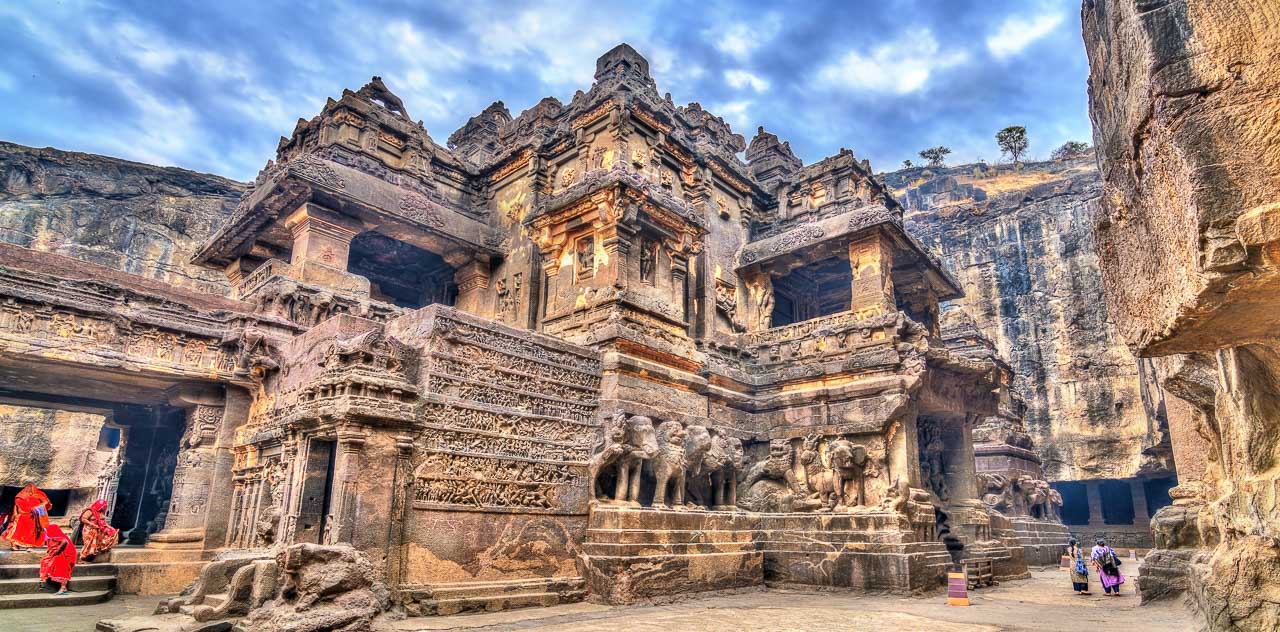
UNESCO describes Ajanta as one of the greatest achievements in ancient Buddhist rock-cut architecture, notable for the integration of architecture, sculpture, and painting.
A visitor notices how carved depth controls daylight-interiors become a stage where murals and relief read in calibrated shadow.
Ellora Caves
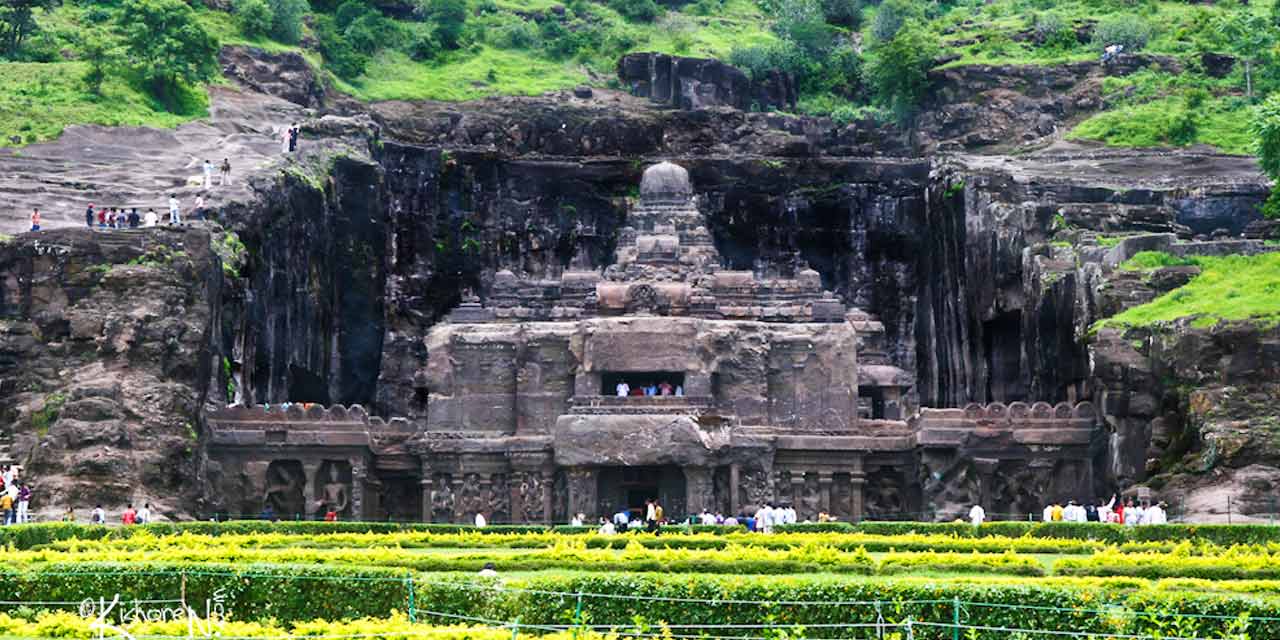
UNESCO notes Ellora’s 34 monasteries and temples, carved side by side across more than 2 km in a basalt cliff, spanning roughly A.D. 600–1000.
What makes Ellora exceptional is the multi-faith adjacency-Buddhist, Hindu (Brahmanical), and Jain monuments in one continuous rock-cut landscape.
Elephanta Caves
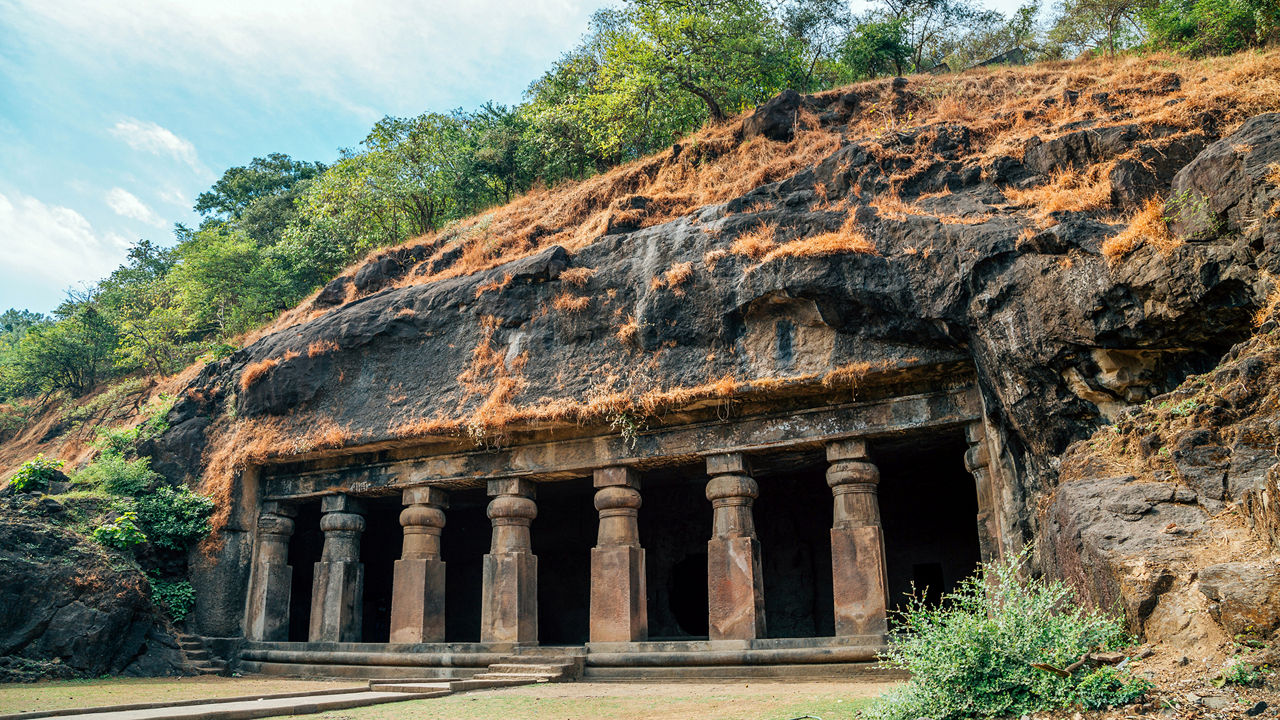
Elephanta is a major rock-cut complex managed by the Archaeological Survey of India, and it’s especially valued for how sculpture and spatial sequence work together.
A student walking the interior can read the plan as a choreography: approach → pause → revelation, with carved mass doing the guiding.
Takeaway:India’s tradition turns carving into a complete architectural language-structure, iconography, and procession fused into stone.
Stone-cut Architecture In The Levant
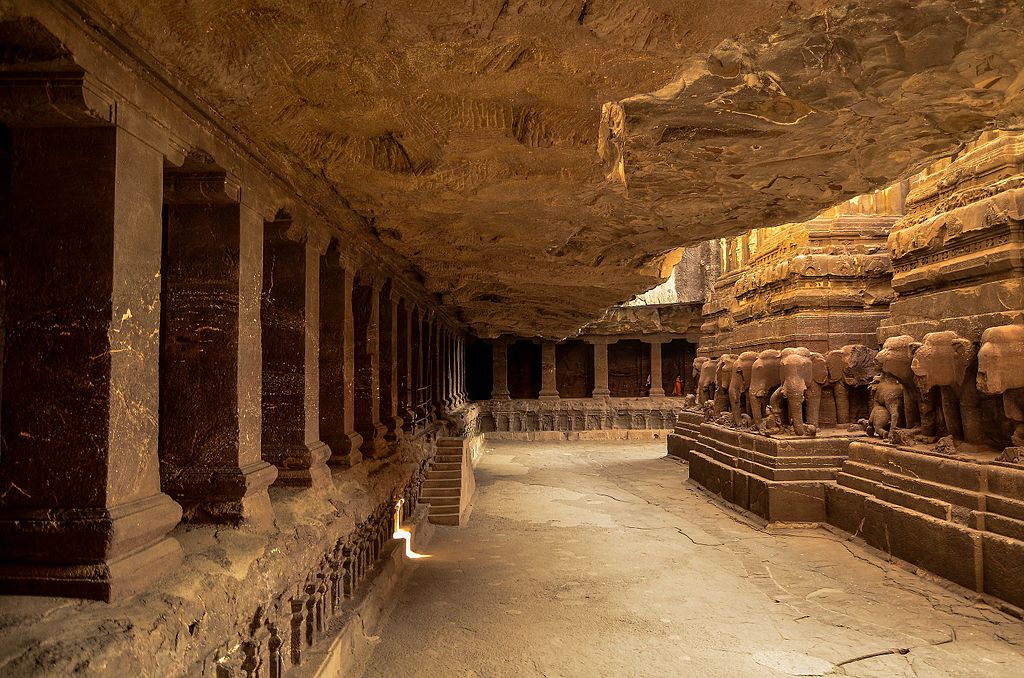
In the Levant, stone-cut architecture is often read at the scale of landscape and façade. Here, rock becomes a public face: cliffs act like a city’s elevation, turning architecture into something you can read from a distance.
The strongest regional thread is how carving pairs with infrastructure thinking, especially water channels, cisterns, and controlled flow that make settlement and monumentality viable in dry terrain.
The result feels simultaneously urban and geological: streets, approaches, and dramatic narrow passages shape experience as much as the carved fronts themselves.
If South Asia excels at interior ritual sequences, the Levant excels at monumental image-making in stone.
Petra
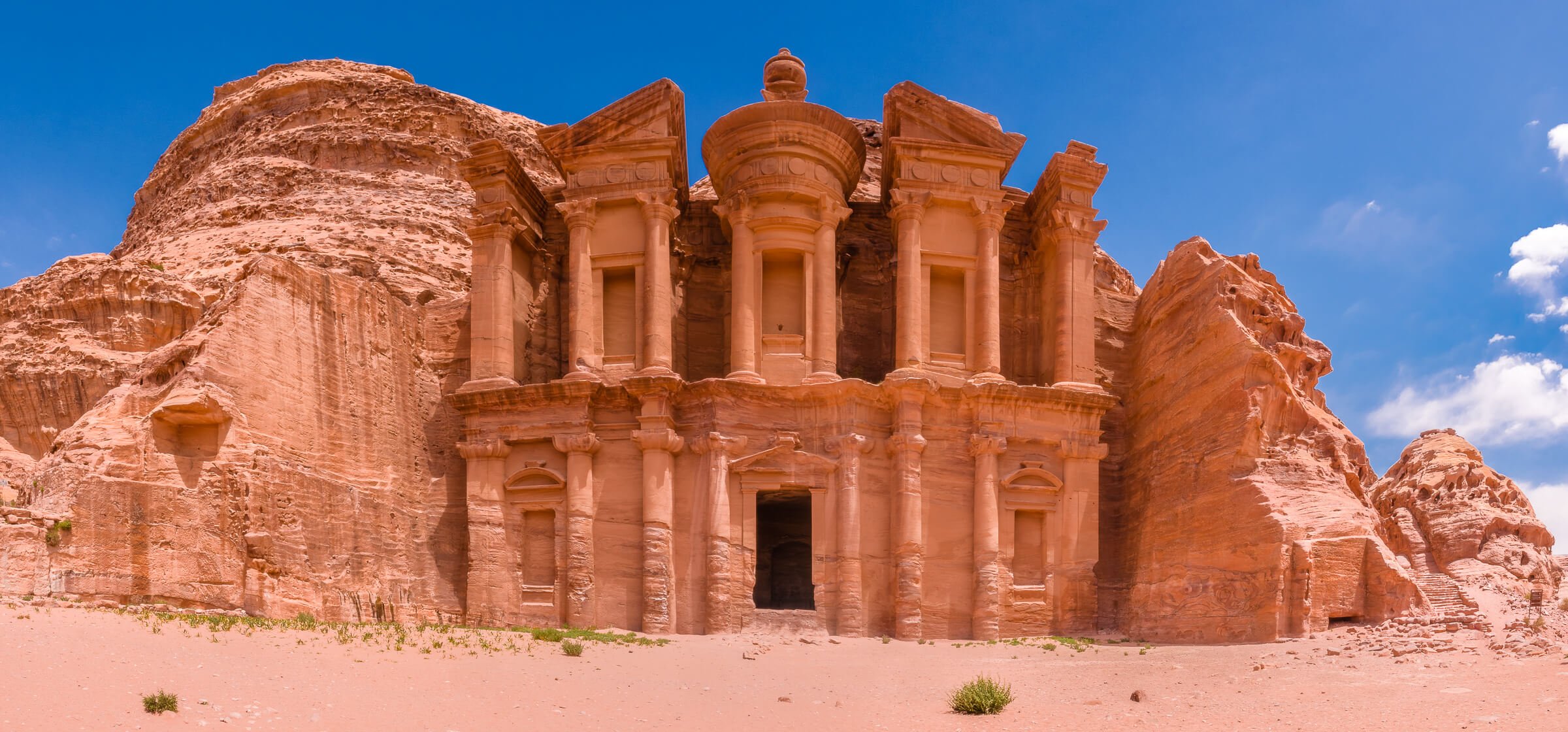
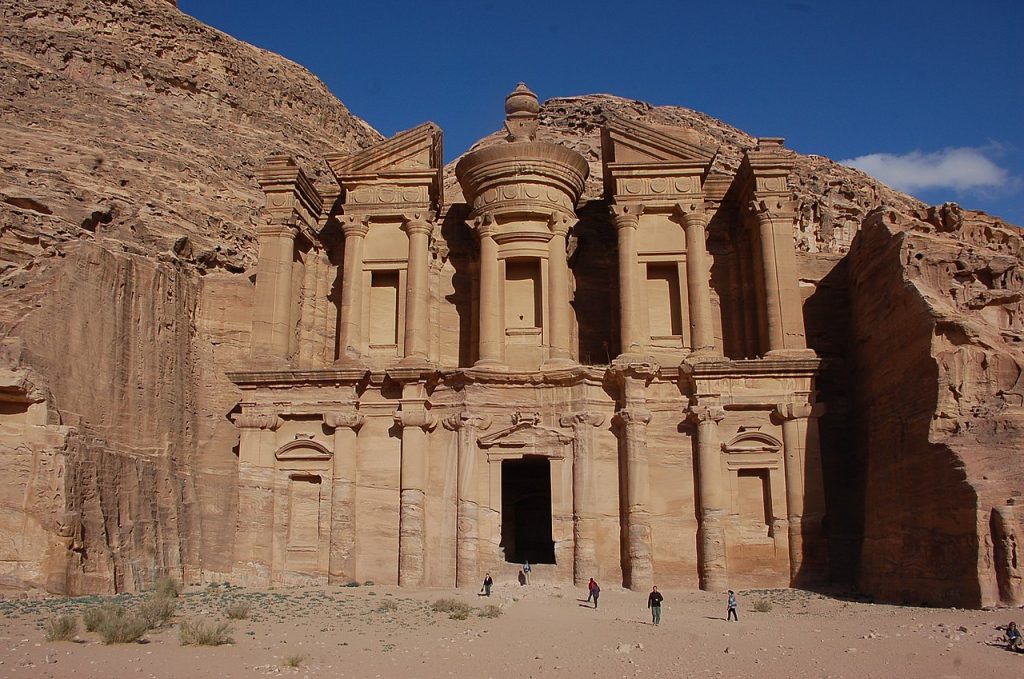
UNESCO describes Petra as half-built, half-carved, set in a red sandstone landscape, and highlights a water management system that enabled extensive settlement in an arid area.
A traveler sees façades that feel like freestanding buildings, but they’re actually architectural images carved into cliffs, scaled to be read from a distance.
Takeaway: Petra shows how rock-cut architecture can operate like a city’s public identity-architecture as a carved skyline.
Stone-cut Architecture In The Horn Of Africa
In the Horn of Africa, stone-cut architecture emphasizes three-dimensional excavation, not only carving into rock, but carving around and down until buildings feel released from the ground.
This creates a powerful spatial paradox: what looks like a freestanding structure is actually the residue of removed stone.
The region’s tradition is also deeply tied to living religious practice, where carved architecture isn’t just heritage-it’s a functioning spiritual environment with processions, seasonal use, and community meaning.
Design-wise, the carving strategy makes circulation especially legible: trenches, courtyards, and connective passages often become the streets of a sacred complex, with light and shadow doing much of the emotional work.
Rock-Hewn Churches, Lalibela
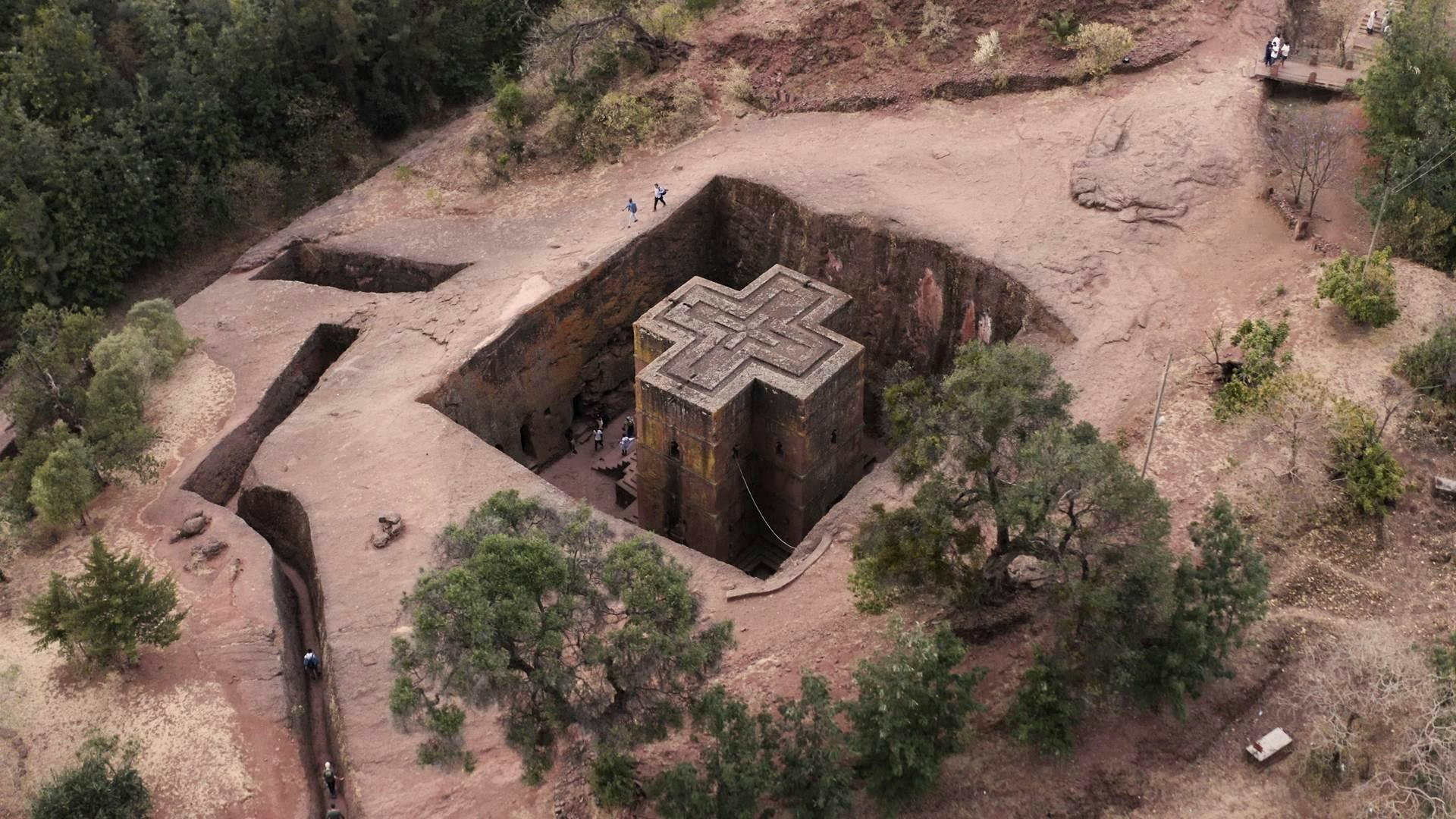
UNESCO describes 11 medieval monolithic cave churches at Lalibela, still a place of pilgrimage and devotion.
The key design idea is the perimeter cut: the outside is created by excavation, and circulation often reads as a sequence of trenches, courts, and carved connectors.
Takeaway: Lalibela proves rock-cut work can be fully three-dimensional-architecture freed from the mountain.
Stone-cut Architecture In Anatolia
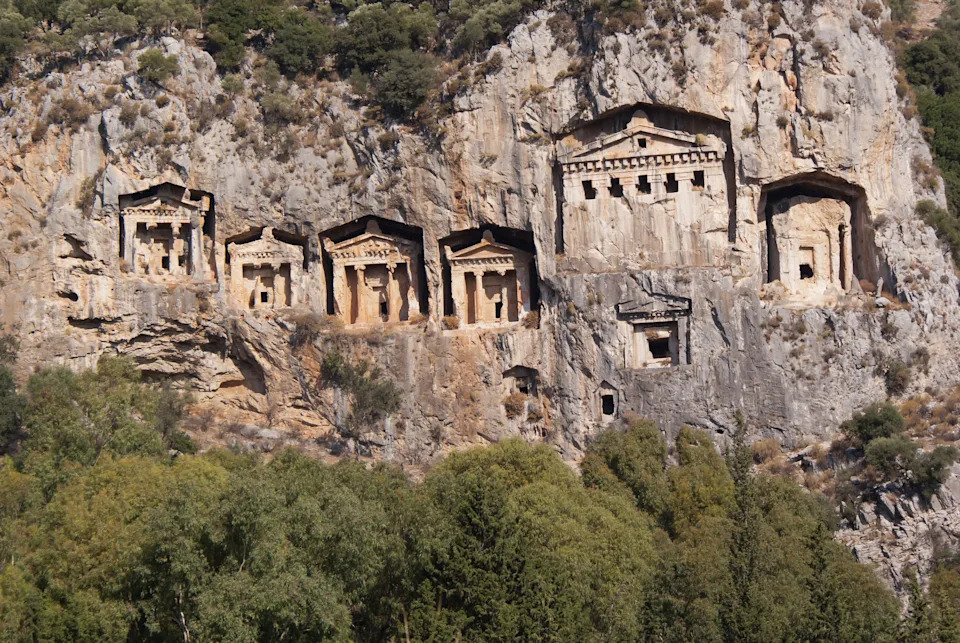
In Anatolia, stone-cut architecture thrives as a distributed system, not a single monumental statement.
Carveable volcanic landscapes and erosional forms encourage networks of spaces-sanctuaries, dwellings, storage, and routes-embedded across valleys and slopes.
The defining regional quality is adaptability: spaces are expanded, repurposed, and layered over time, making the architecture feel like an evolving organism.
You also see how stone-cut environments support community resilience, shelter, thermal stability, defensibility, and discreet movement, while still allowing for richly symbolic interiors in religious contexts. It’s less one masterpiece and more an inhabitable terrain.
Göreme And The Rock Sites Of Cappadocia
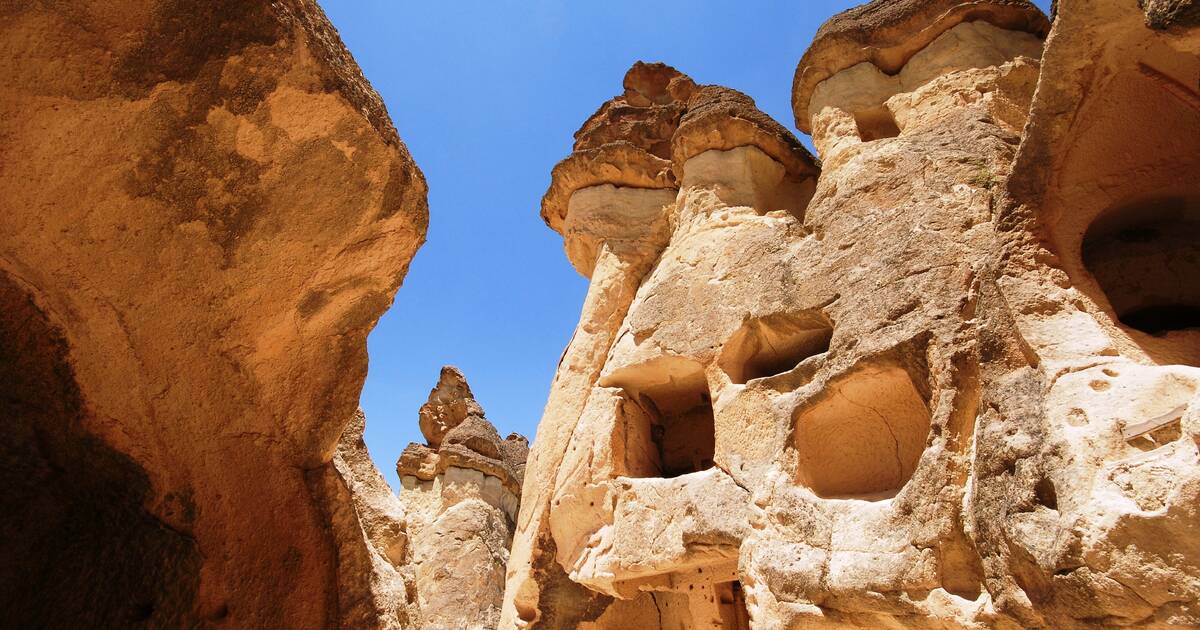
UNESCO describes Göreme as a spectacular eroded landscape containing rock-hewn sanctuaries with unique evidence of Byzantine art.
A guide points out how erosion and carveable rock encourage networks of spaces, chapels, dwellings, and routes embedded in terrain.
Takeaway:Cappadocia shows rock-cut architecture as a regional system, not just isolated monuments.
Stone-cut Architecture In The Mediterranean
In the Mediterranean, stone-cut architecture splits into two compelling extremes: everyday urban continuity and highly controlled subterranean ritual space.
On one end, rock-cut environments can behave like cities, where roofs become streets, courtyards act as light wells, and the section of the terrain is essentially the plan.
On the other hand, underground complexes show how carving can produce spaces that demand careful environmental management: air, humidity, temperature, and visitor load become architectural variables, not afterthoughts.
Across both extremes, the Mediterranean thread is longevity-how stone-cut places persist through reuse, changing social needs, and shifting governance, while remaining deeply shaped by geology and microclimate.
The Sassi And Rupestrian Churches Of Matera
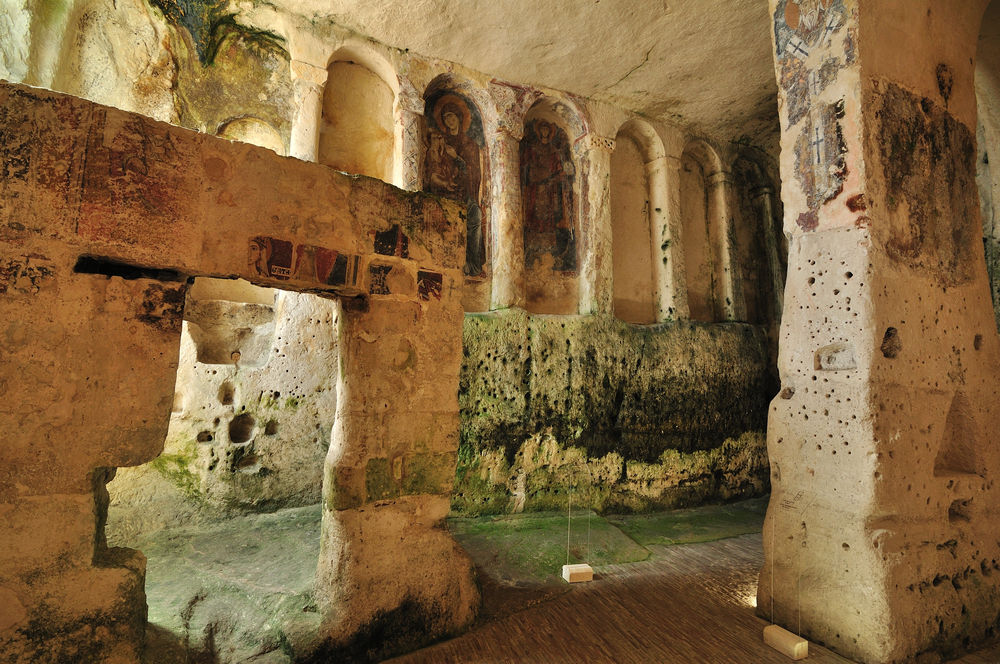
UNESCO calls Matera the most outstanding intact example of a troglodyte settlement in the Mediterranean, adapted to the terrain and ecosystem, with habitation reaching back to the Paleolithic.
A designer studying Matera learns to read the city in sections: roofs become streets; courtyards act as light wells; rock is both building and ground plane.
Ħal Saflieni Hypogeum
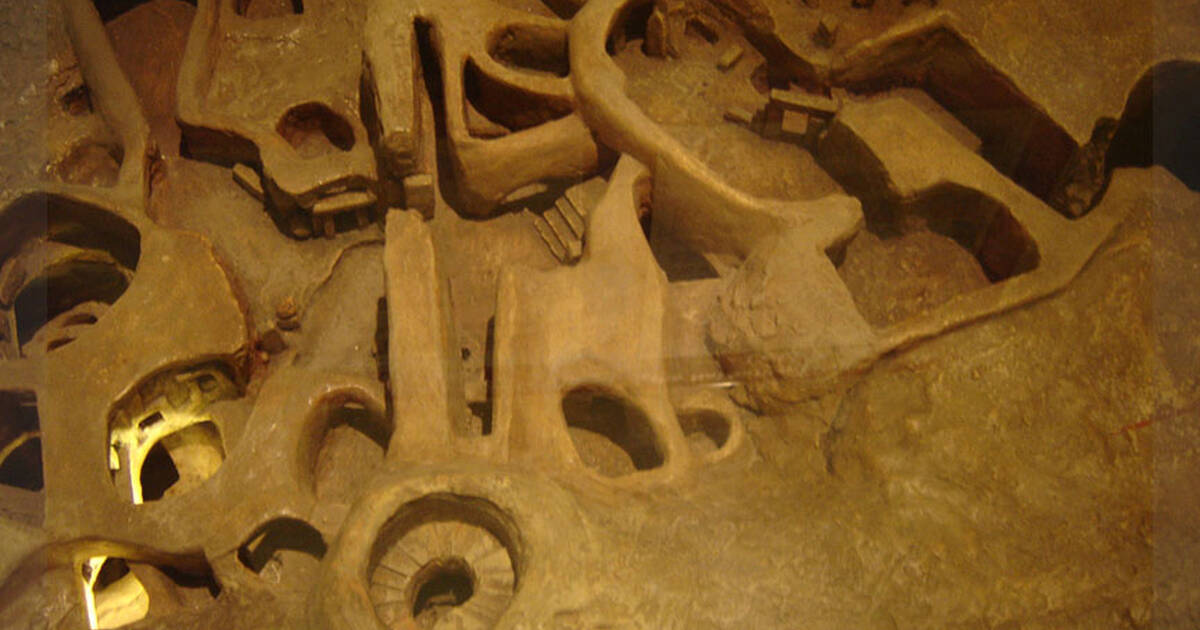
UNESCO notes the Hypogeum’s strong preservation and identifies key threats like fluctuating temperature and humidity, water infiltration, and biological infestations.
This is rock-cut architecture where access and microclimate aren’t side issues-they are the preservation strategy.
Takeaway:The Mediterranean examples show both extremes: rock-cut as everyday urban continuity (Matera) and as highly controlled subterranean space (Hypogeum).
Stone-cut Architecture In Egypt
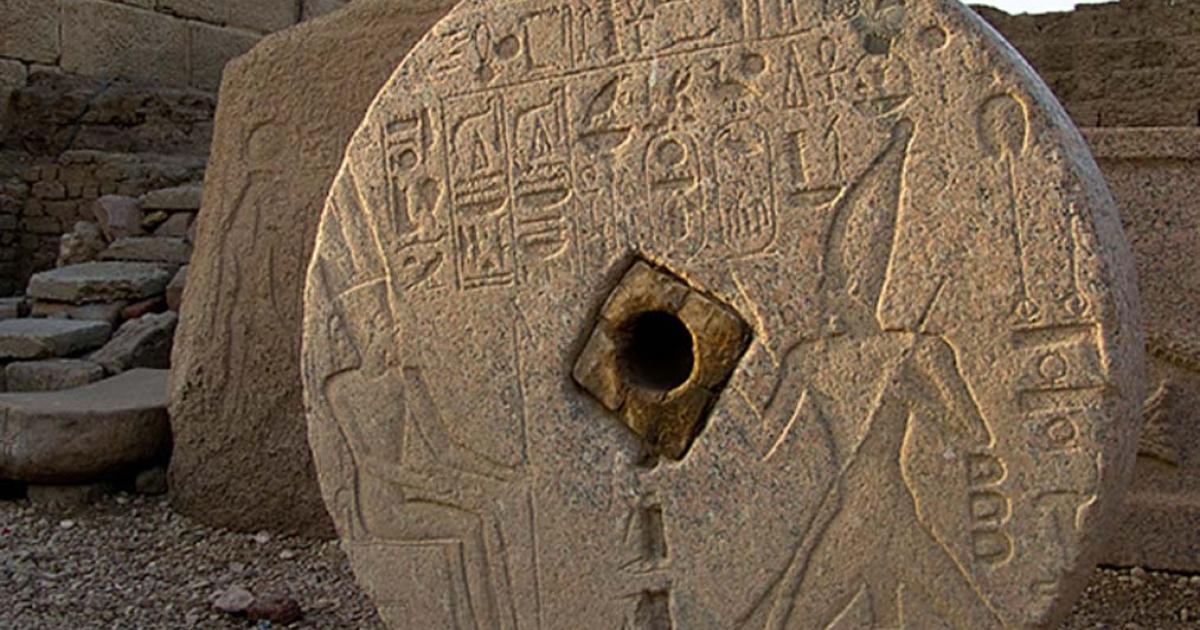
Egypt’s stone-cut tradition is inseparable from the Nile corridor: cliff faces become sacred frontispieces, and bedrock becomes a secure medium for burial architecture meant to last.
Here, geology isn’t just material-it’s a political and spiritual instrument: carving into rock signals permanence, authority, and a controlled relationship with death and the afterlife.
Egypt also adds a modern layer to the story: some of the most famous rock-cut monuments were preserved through large-scale relocation and rescue efforts when river engineering threatened their original settings.
Nubian Monuments
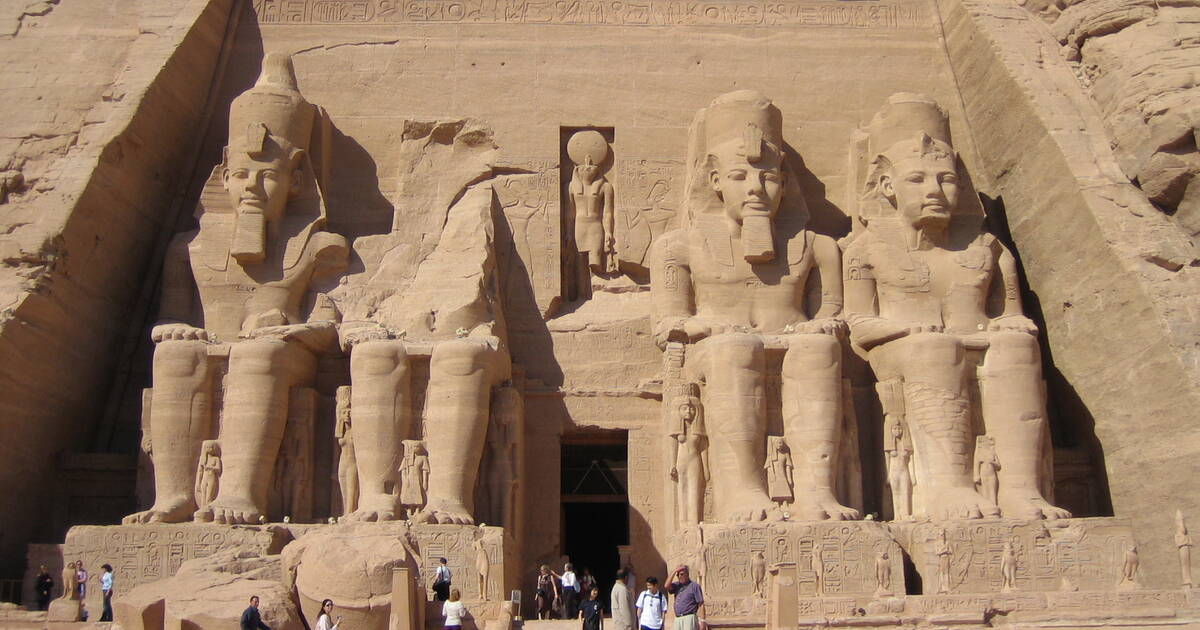
The rock-cut temples in Nubia (including the Temples of Ramses II at Abu Simbel) are among the most iconic examples of cliff-carved monumental architecture, designed to be read from a distance as a carved façade-city in miniature.
UNESCO notes these monuments were saved from the rising waters of the Nilethrough an international campaign launched from 1960 to 1980.
Ancient Thebes With Its Necropolis
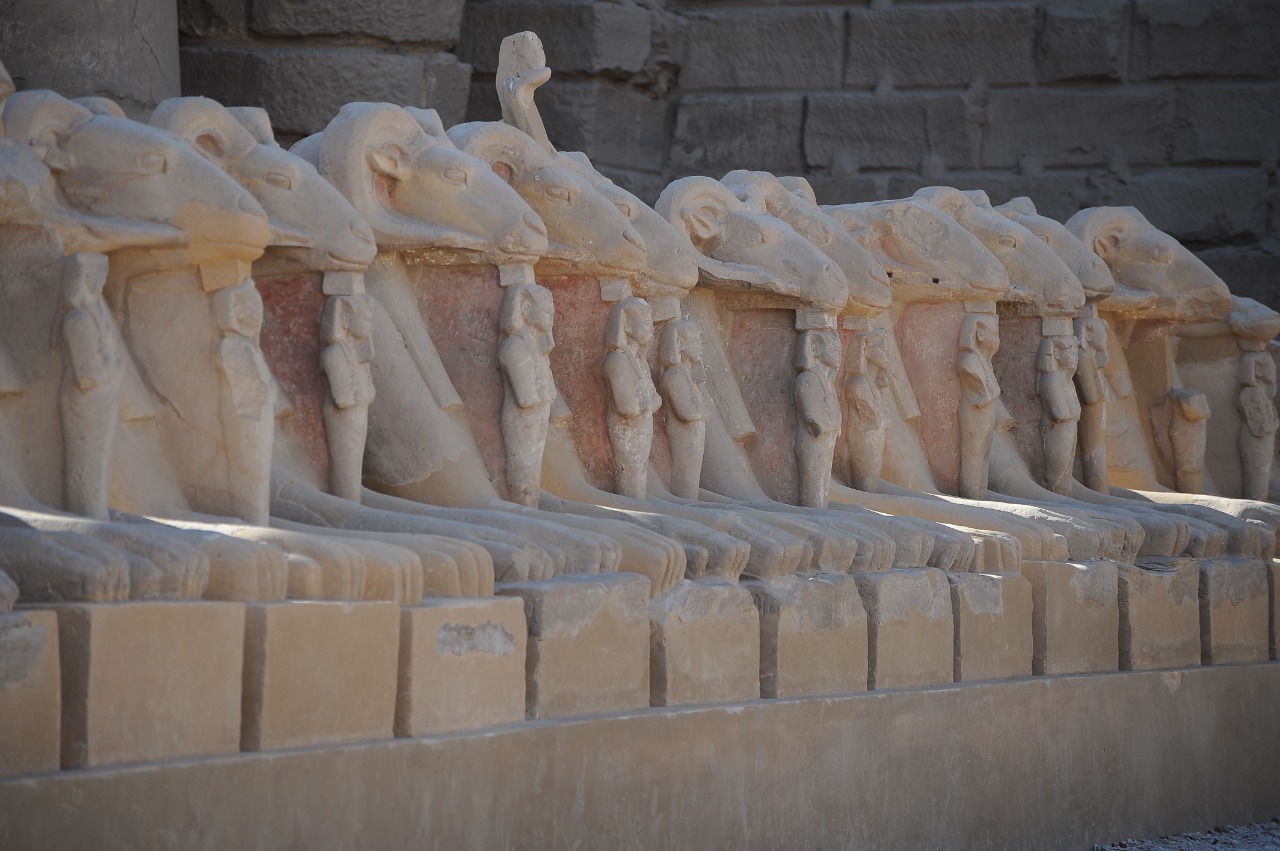
In Thebes’ necropolises, stone-cut architecture becomes a system of concealed thresholds: modest entrances leading to long, carefully planned corridors and chambers carved into the rock.
UNESCO explicitly identifies Thebes’ necropolises of the Valley of the Kings and the Valley of the Queens as part of the World Heritage site, underscoring how rock-cut burial landscapes sit alongside above-ground temples to form one civilizational statement.
Takeaway: Egypt shows rock-cut architecture as both monument and machine-rock used to project power publicly (temples) and protect meaning privately (tombs).
Stone-cut Architecture In East Asia
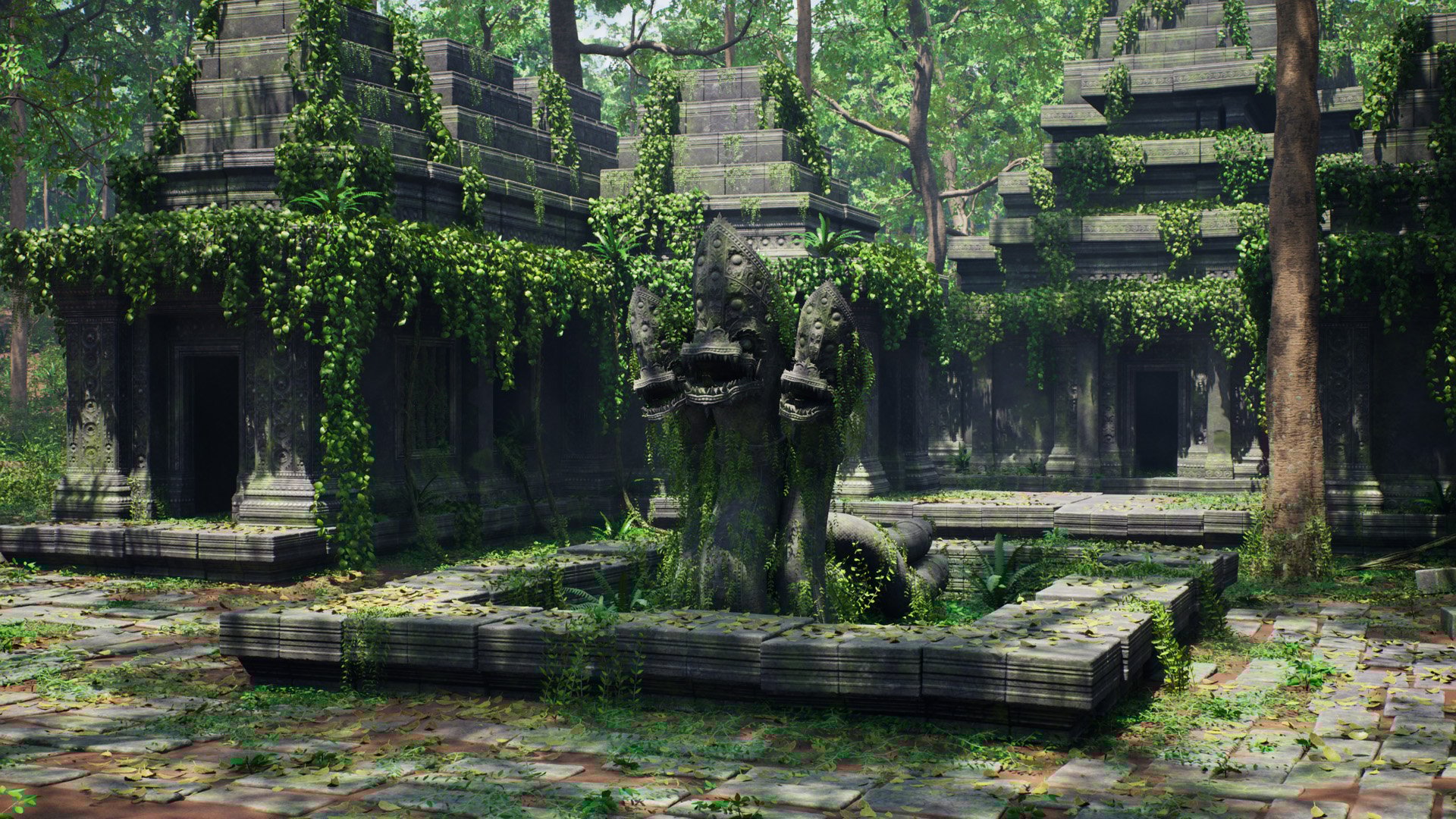
China’s stone-cut architecture is best understood as a cliff turned into an archive: not just a few carved chambers, but vast, serial landscapes of caves, niches, and reliefs-often created over centuries.
The regional signature is scale plus continuity: thousands of images, repeated devotional formats, and evolving styles that track dynasties and beliefs.
Equally important, many Chinese grotto sites foreground conservation challenges, early-tourism, humidity, and long-term protection, which become part of how the sites are managed and experienced.
Mogao Caves
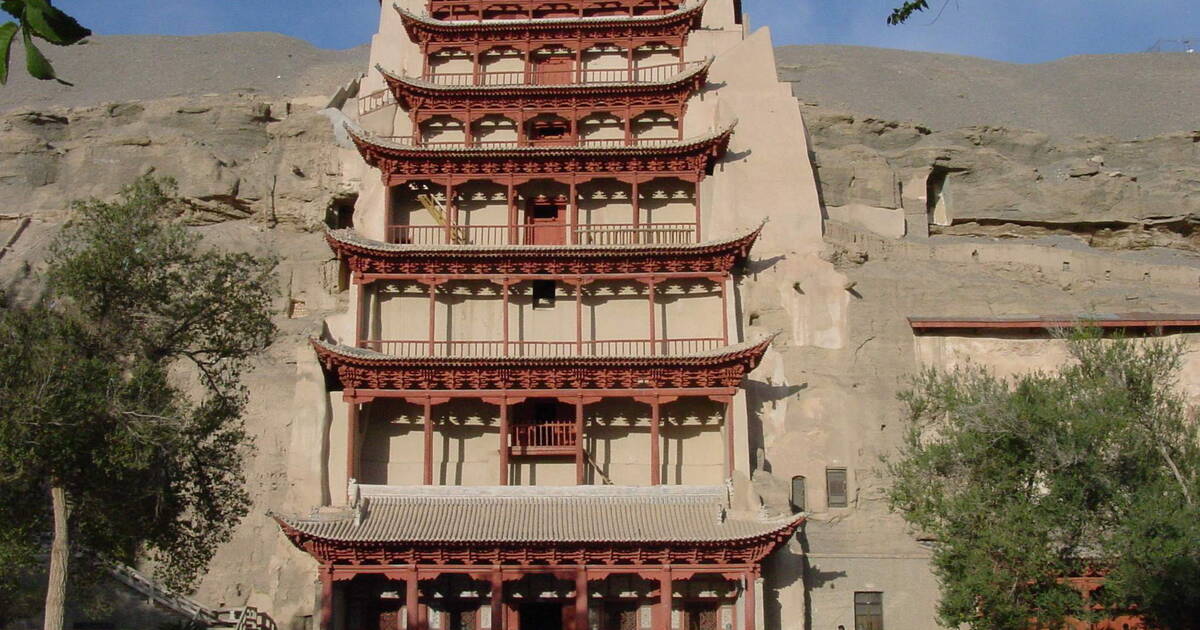
Mogao is a cliff-line of cave temples where stone-cut space becomes a container for painted and sculpted Buddhist worlds.
UNESCO’s materials emphasize protection and conservation planning, including guidelines for utilization and conservation, and an explicit recognition that visitor access must be designed as carefully as the spaces themselves.
Longmen Grottoes
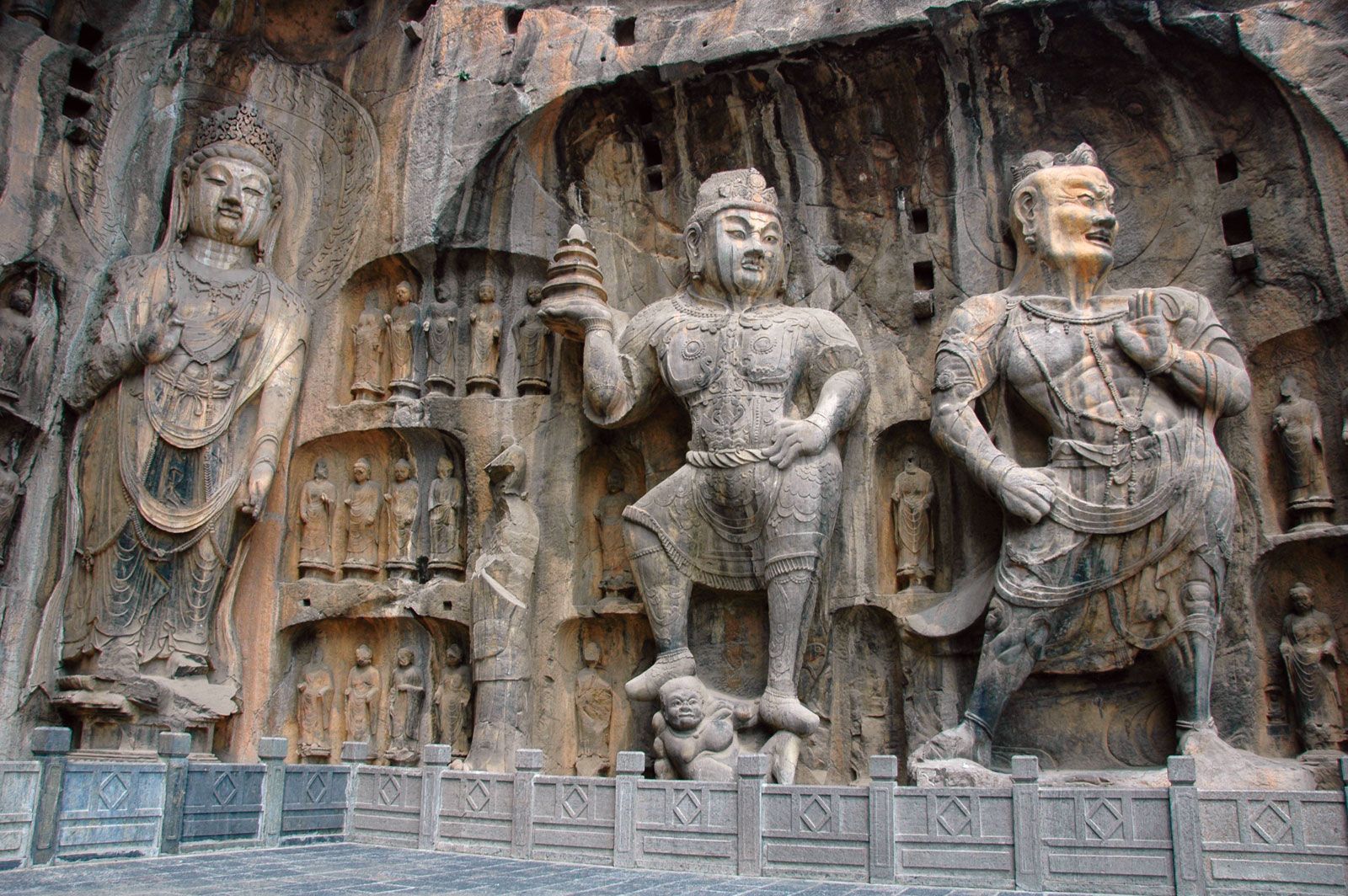
Longmen’s power is density and refinement: UNESCO describes it as containing the largest and most impressive collection of Chinese art from the late Northern Wei and Tang, representing a high point of Chinese stone carving devoted to Buddhism.
Yungang Grottoes
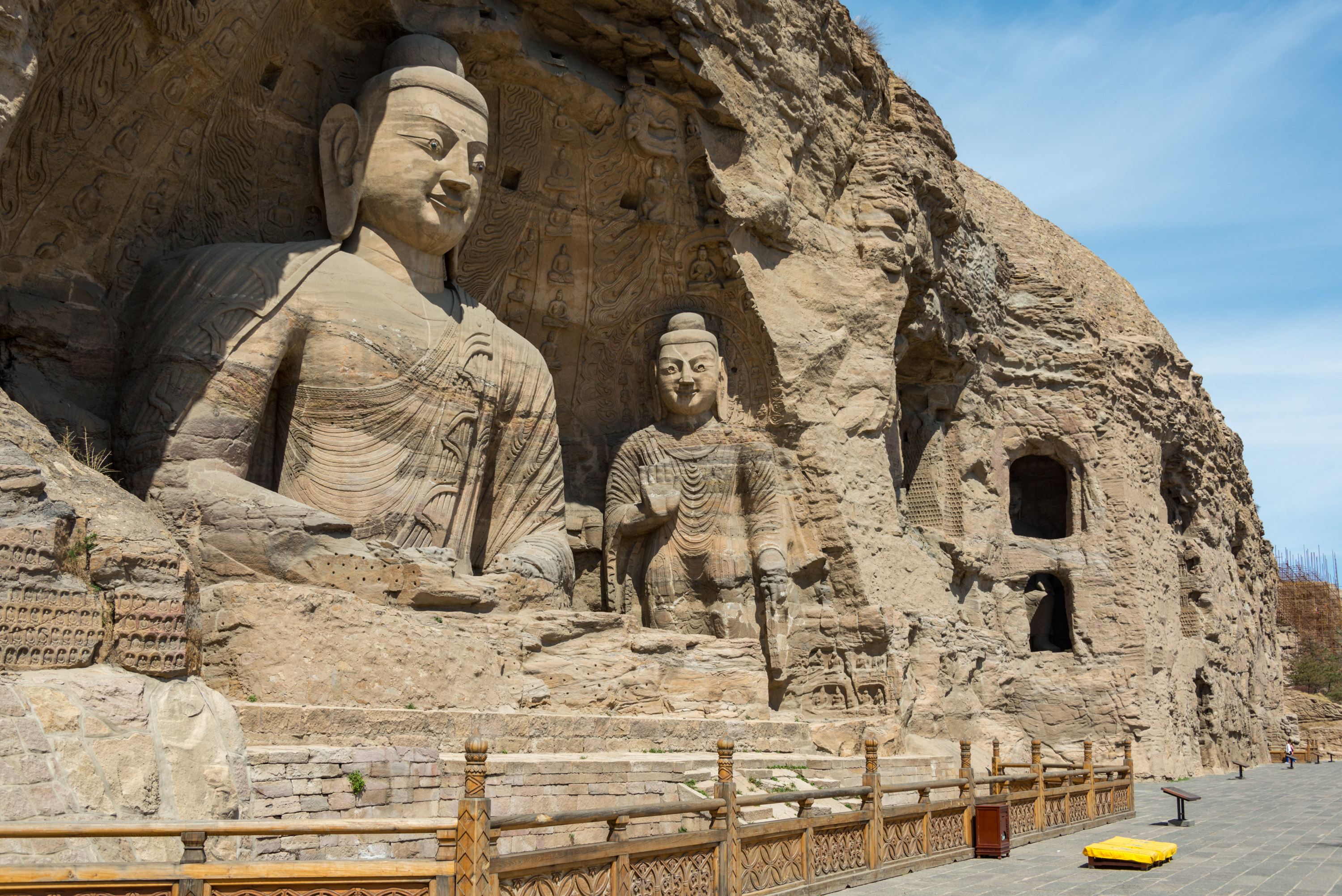
Yungang demonstrates what monumental serial carving looks like at full maturity-UNESCO notes 252 caves and 51,000 statues, calling it an outstanding achievement of Buddhist cave art in the 5th and 6th centuries.
Dazu Rock Carvings
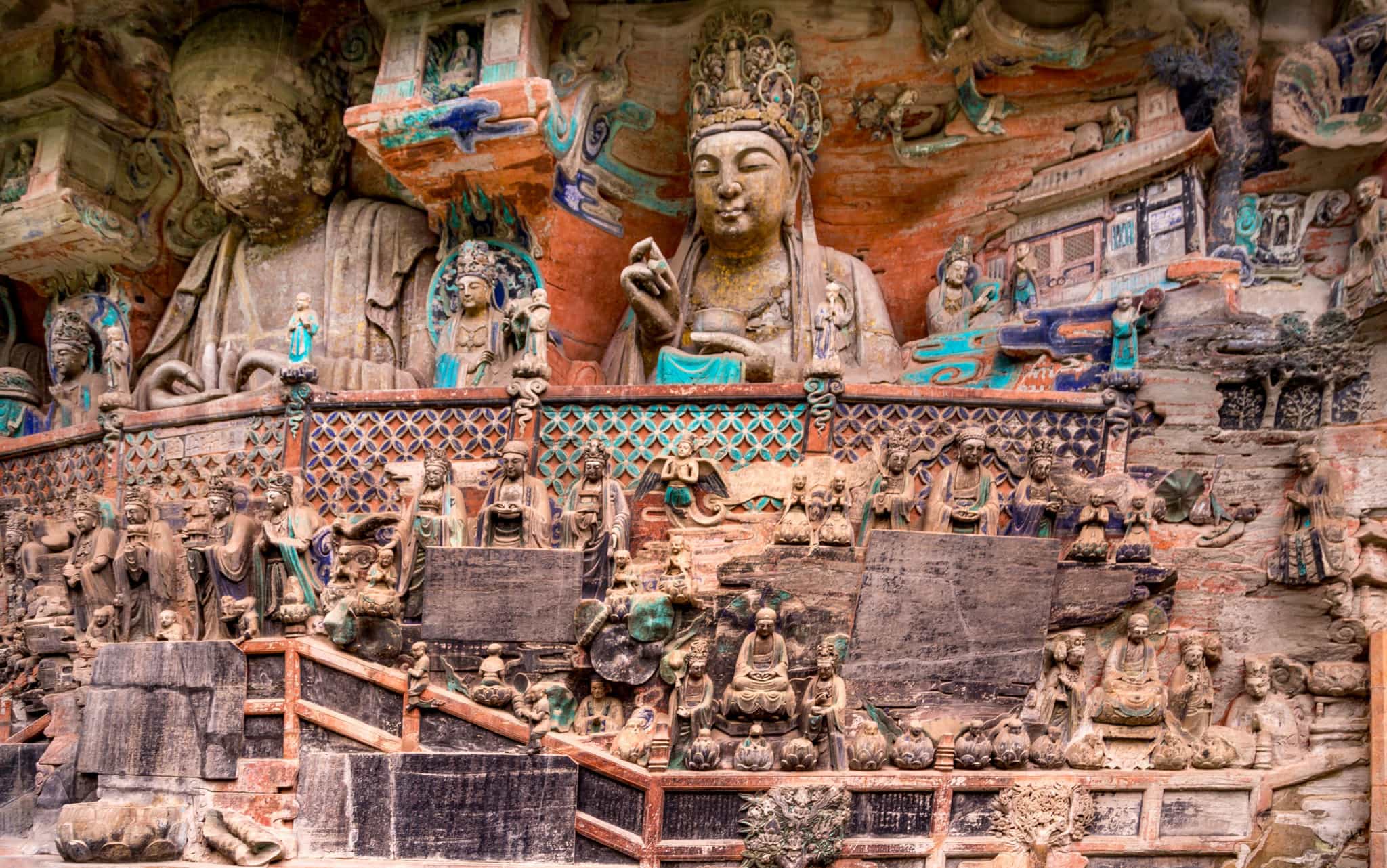
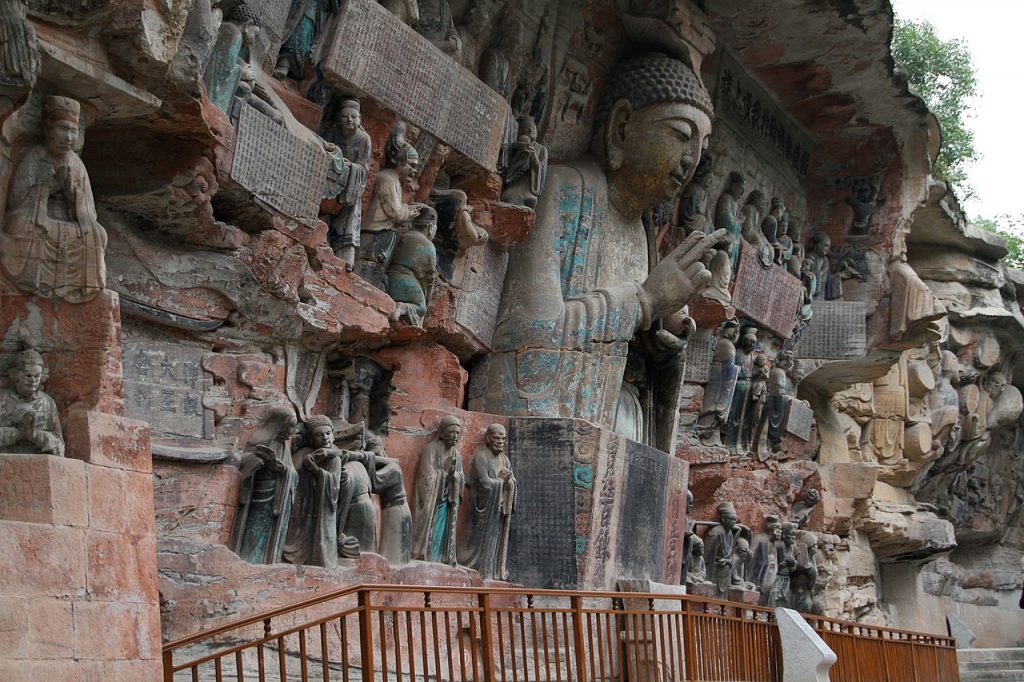
Dazu expands the idea beyond caves into hillsides of narrative relief: UNESCO describes an exceptional series of rock carvings from the 9th to 13th centuries, remarkable for aesthetic quality, diversity of subject matter (secular and religious), and what they reveal about everyday life.
Preservation, Tourism, And Ethics: How To Admire Rock-cut Architecture Without Accelerating Its Decay
You’ll learn the practical preservation realities that shape access, rules, and the visitor experience. This is the section that keeps wonder from turning into damage.
The Big Four Threats: Water, Erosion, Humidity, And Footfall
- Water infiltration can trigger salt movement, staining, and surface loss.
- Erosion softens edges and erases tool marks and relief.
- Humidity/microclimate shifts can damage finishes and biological growth patterns.
- Footfall and touch wear thresholds and polish surfaces unintentionally.
At Petra, UNESCO’s emphasis on water management and the fragility of the setting hints at why preservation is inseparable from the environment.
The Hypogeum’s very identity as subterranean architecture highlights why controlled access can be necessary.
Modern Rock-cut Architecture
You’ll learn how contemporary practice can inherit rock-cut lessons without pretending it’s recreating ancient methods. The goal is descendant, not replica.
Earth-sheltered And Groundscape Design: Performance Benefits And Real Constraints
Modern earth-sheltered building research finds that the ground’s thermal mass can support energy conservation, with modeling studies emphasizing reduced energy requirements under appropriate conditions.
But an honest descendant pays the price of that performance:
- Waterproofing and drainage are non-negotiable.
- Ventilation must be explicit, not assumed.
- Daylight needs a careful strategy (light wells, courtyards, controlled apertures).
Takeaway:Earth-coupled design can be excellent when moisture, air quality, and daylight are engineered with the same seriousness as structure.
Adaptive Reuse: Caves, Dugouts, And Heritage-sensitive Interventions
An architect walks a client through a carved interior and frames the rule: intervene lightly, reversibly, and legibly. The highest-quality adaptive reusepreserves the rock-cut logic:
- Keep new services (HVAC, electrical, plumbing) minimally invasive.
- Avoid sealing spaces in ways that trap moisture.
- Maintain clear interpretive cues so visitors can tell what is original versus new.
Also Check Out:The Evolution Of Spanish Architecture
Frequently Asked Questions
What Is The Rock-cut Architecture Style?
Rock-cut architecture is created by excavating living rock to form buildings, spaces, and sculpture-construction by removal rather than assembly.
What Are The Key Characteristics Of Rock-cut Architecture?
It’s subtractive, geology-driven, often mimics built forms, and prioritizes carved structure, controlled light, and durable stone surfaces.
How Is Rock-cut Architecture Different From Natural Caves?
Rock-cut spaces are intentionally carved to a plan; natural caves may be modified, but weren’t created by deliberate excavation.
What Is The Difference Between Rock-cut And Monolithic Architecture?
Rock-cut creates spaces in rock; monolithic refers to a single-piece structure, often rock-cut, but defined by being carved as one mass.
How Were Rock-cut Structures Carved Without Modern Tools?
Builders used surveying, grid/axis planning, and hand tools; many interiors were carved top-down to control accuracy and reduce irreversible errors.
Why Did Ancient Builders Choose Rock As A Medium?
Rock offered permanence, local material efficiency, defensibility, and powerful symbolism-especially for tombs and sacred architecture.
Who Introduced Rock-cut Architecture In India?
It evolved over centuries through multiple patrons and religious communities; it’s better understood as a long tradition than a single introduced moment.
What Is The Rock-cut Architecture Empire?
In India, multiple dynasties patronized rock-cut work; it’s more accurate to frame it as a multi-period tradition than one empire’s signature style.
Which Are The Best-known Examples In India?
Ajanta, Ellora (including the Kailasa excavation), and Elephanta are among the most cited landmark complexes.
What Ancient City Is Known For Its Rock-cut Architecture?
Petra is the most iconic city known for monumental rock-cut façades carved into sandstone cliffs.
What Makes Petra’s Rock-cut Façades Distinctive?
Their cliff-carved, temple-like fronts and massive necropolis scale-paired with sophisticated water management make Petra globally distinctive.
What Are Lalibela’s Rock-hewn Churches?
They’re a group of medieval Ethiopian churches carved into rock, including monolithic forms cut free from surrounding stone.
Where Can I See Rock-cut Settlements, Not Just Temples?
Cappadocia (Turkey) and Matera (Italy) show extensive rock-cut living spaces and sanctuaries shaped by geology and long-term habitation.
What Threatens Rock-cut Sites Today?
Erosion, water infiltration, humidity shifts, biological growth, and visitor wear can degrade stone, finishes, and microclimates.
Can Rock-cut Ideas Influence Modern Sustainable Design?
Yes, earth-sheltered design can use ground thermal mass to reduce energy demand, but success depends on moisture control, ventilation, and daylight strategy.
Conclusion
The master builders of the past didn't just create buildings; they transformed the landscape itself. Rock-cut architecture remains a testament to human patience and the ability to find form within the void.
Whether it is the towering facades of Petra or the subterranean cross of Lalibela, these sites challenge our modern obsession with speed and temporary materials.
As we look toward a future where sustainability and durability are paramount, the lessons of the living rock are more relevant than ever. Perhaps the next great architectural leap won't involve a new material at all, but a return to the mountain.
Jump to
Rock-Cut Architecture: Why Geology Is The First Architect
Key Takeaways
The Subtractive Philosophy: How Rock-Cut Architecture Differs From Masonry
The CARVE Model For Reading Rock-cut Architecture Like A Designer
Stone-cut Architecture In South Asia
Stone-cut Architecture In The Levant
Stone-cut Architecture In The Horn Of Africa
Stone-cut Architecture In Anatolia
Stone-cut Architecture In The Mediterranean
Stone-cut Architecture In Egypt
Stone-cut Architecture In East Asia
Preservation, Tourism, And Ethics: How To Admire Rock-cut Architecture Without Accelerating Its Decay
Modern Rock-cut Architecture
Frequently Asked Questions
Conclusion

George Evans
Author
George Anderson, an exceptional architectural designer, envisions and brings to life structures that transcend the realm of imagination. With an unwavering passion for design and an innate eye for detail, George seamlessly blends form and function, creating immersive spaces that inspire awe.
Driven by a deep appreciation for the interplay of space, light, and materials, George's innovative approach redefines the possibilities of architectural design. His visionary compositions leave an indelible mark, evoking a sense of wonder and transforming the built environment.
George Anderson's transformative designs and unwavering dedication continue to shape the architectural landscape, pushing the boundaries of what is possible and inspiring generations to come.
Latest Articles
Popular Articles