Tadao Ando Architecture - 24 Masterpieces Of Zen Minimalism
Master the principles of Tadao Ando architecture. Analyze 24 iconic projects, including the 2025 Naoshima New Museum, while exploring his 7 core design philosophies
Author:George EvansFeb 01, 2026920 Shares19.5K Views
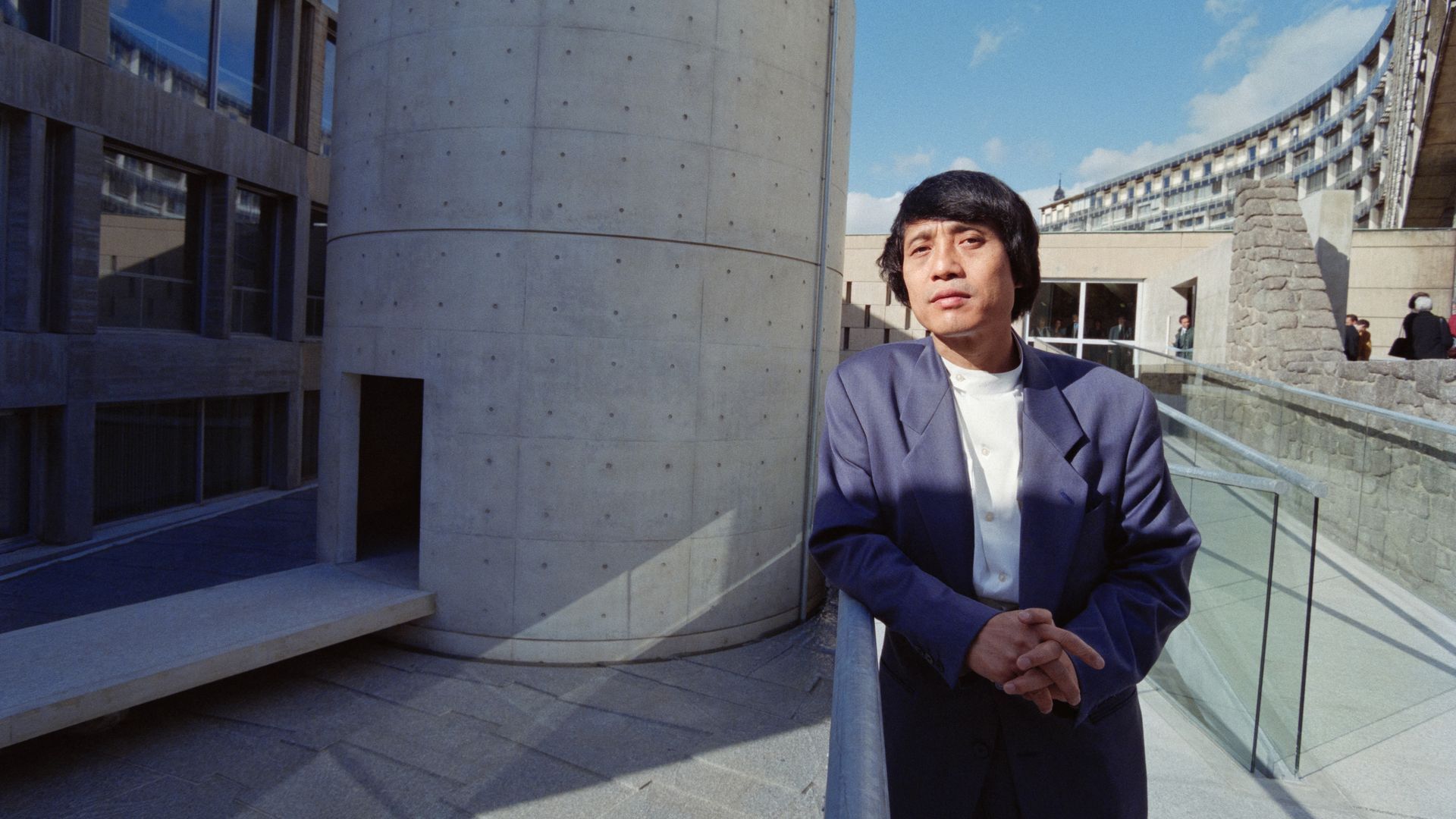
Tadao Ando Architecture: Mastering The Silent Poetry Of Light And Concrete
To walk into a space designed by Tadao Ando is to experience a sudden, profound hush. As an architectural designer who has spent two decades studying the emotional resonance of built environments, I’ve found that few masters can make a heavy slab of industrial concrete feel as light as a silk screen.
This article explores the architectural language of Tadao Ando, moving beyond the surface-level aesthetics of minimalismto understand the technical precision and spiritual depth that define his work.
You will learn how he manipulates light as a building material, why his concrete has a world-renowned texture, and explore a definitive catalog of his most significant global projects.
The Philosophical Core: Zen, "Ma," And The Power Of Nothingness
Ando’s work is often categorized as "Minimalism," but that term is too narrow for the spiritual weight his structures carry.
In my experience, his genius lies in the Japanese concept of Ma-the space between things. For Ando, a room is not just a box; it is a container for the wind, the sun, and the silence.
By using pure geometric forms-circles, squares, and rectangles-Ando strips away the noise of modern life. This "architecture of nothingness" doesn't feel empty; rather, it creates a vacuum that invites nature to enter.
When you stand in the middle of an Ando courtyard, the sky becomes a framed masterpiece, and the passage of a single shadow across a wall becomes a timed performance.
“„“Architecture should stimulate the human spirit, awaken sensitivity, and communicate with the deeper soul.”- Tadao Ando, 1995 Pritzker Prize Acceptance Speech
The Signature Of Tadao Ando Architecture: 7 Principles That Show Up Again And Again
You’re about to get a repeatable lens: a set of cues that lets you identify Ando’s thinking even when the building type changes. Use these as a checklist when you see a plan, a section, a photo, or a site visit.
1) Sequence Beats Spectacle
Ando’s drama is rarely at first glance. It’s in how you arrive: a turn, a corridor, a pause, then a reveal.
2) Concrete As “Silence” Not Statement
The concrete isn’t there to shout. It’s there to remove visual noise so light, water, shadow, and proportion can do the talking.
3) Light Is Treated Like A Building Material
If steel spans and concrete holds, light “finishes” the space, often changing by the minute.
4) Nature Is Framed, Edited, And Intensified
Ando doesn’t “blend in” with nature so much as stage it-reflecting pools, courtyards, controlled sightlines.
5) Geometry As Emotional Control
Simple forms-rectangles, circles, grids-aren’t a style choice; they’re a way to discipline the experience and sharpen perception.
6) The Threshold Is The Real Façade
In Ando’s work, the doorway moment matters more than the “front.” Compression and release are deliberate (narrow → wide, dark → bright).
7) A Building Teaches One Main Lesson
Rokko teaches slope and community; Church of the Light teaches shadow-to-radiance; Chichu teaches earth and sky.
Takeaway: Once you see these seven principles, Ando stops being “a concrete aesthetic” and becomes a readable design logic, which is exactly why concrete is only step one.
Tadao Ando Architecture: 24 Projects That Define His Approach
These 24 projects show the full range of Tadao Ando’s architecture, from tightly constrained houses to museums that “edit” daylight, and sacred spaces where water and shadow do the spiritual work.
You’ll notice the same recurring toolkit (precise geometry, exposed concrete, choreographed movement, and “built silence”), but each project adapts it to a different climate, culture, and program.
Azuma House (Row House In Sumiyoshi)
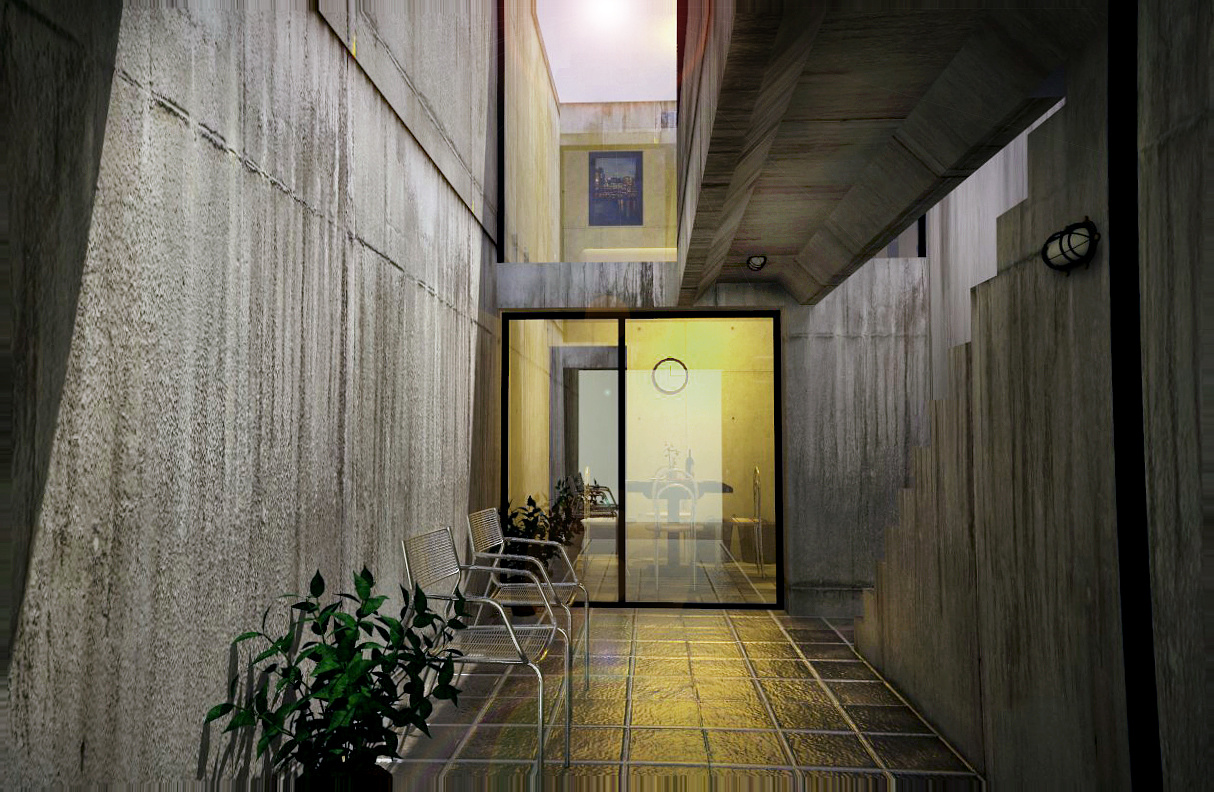
Completed in 1976 in Sumiyoshi, Osaka, the Azuma House is a radical urban row house that turns inward: a simple concrete box split by an open-air courtyard that forces daily life to cross weather and sky.
The “inspiration” isn’t decorative-Ando uses the courtyard as a discipline, making light, rain, and seasonal change part of the home’s emotional rhythm, not an afterthought.
Koshino House
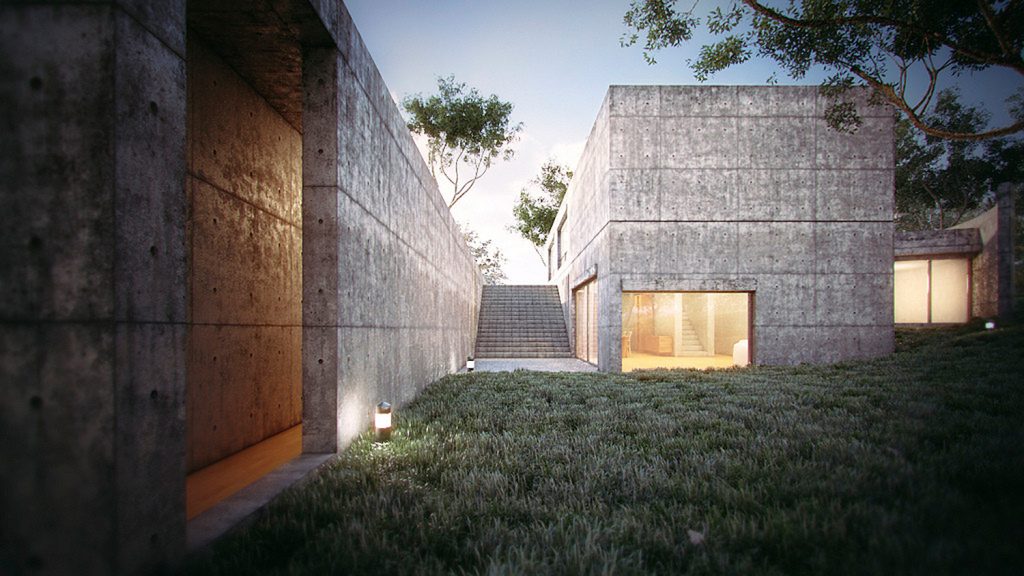
Built in Ashiya (Hyōgo Prefecture) across phases in the early 1980s, Koshino House reads like two long concrete bars set into a wooded slope, linked and “tuned” by narrow openings that slice light into the interiors.
Its power comes from restraint: circulation feels like moving through a calm, controlled film sequence-bright to dim, compression to release-where the landscape is framed rather than consumed.
Rokko Housing I
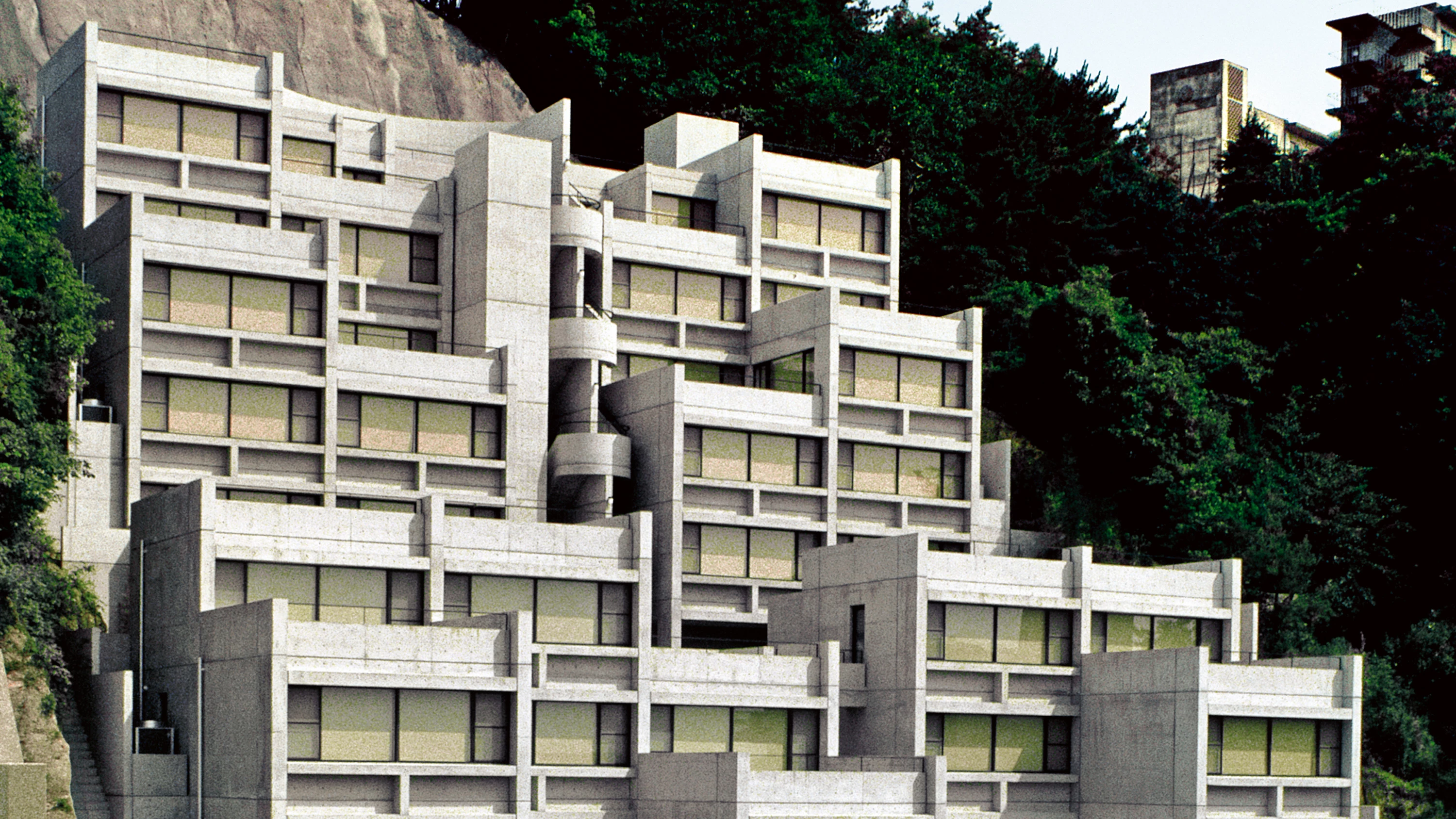
On the steep hillside of Mount Rokko in Kobe, Rokko Housing I turns a brutal site constraint into a living laboratory: terraced concrete units step down the slope, creating shared views, balconies, and a dense community texture.
Instead of hiding the difficulty of the terrain, the architecture uses it-stairs, landings, and retaining walls as the project’s social “streets,” and the mountain becomes part of the plan.
Rokko Housing II
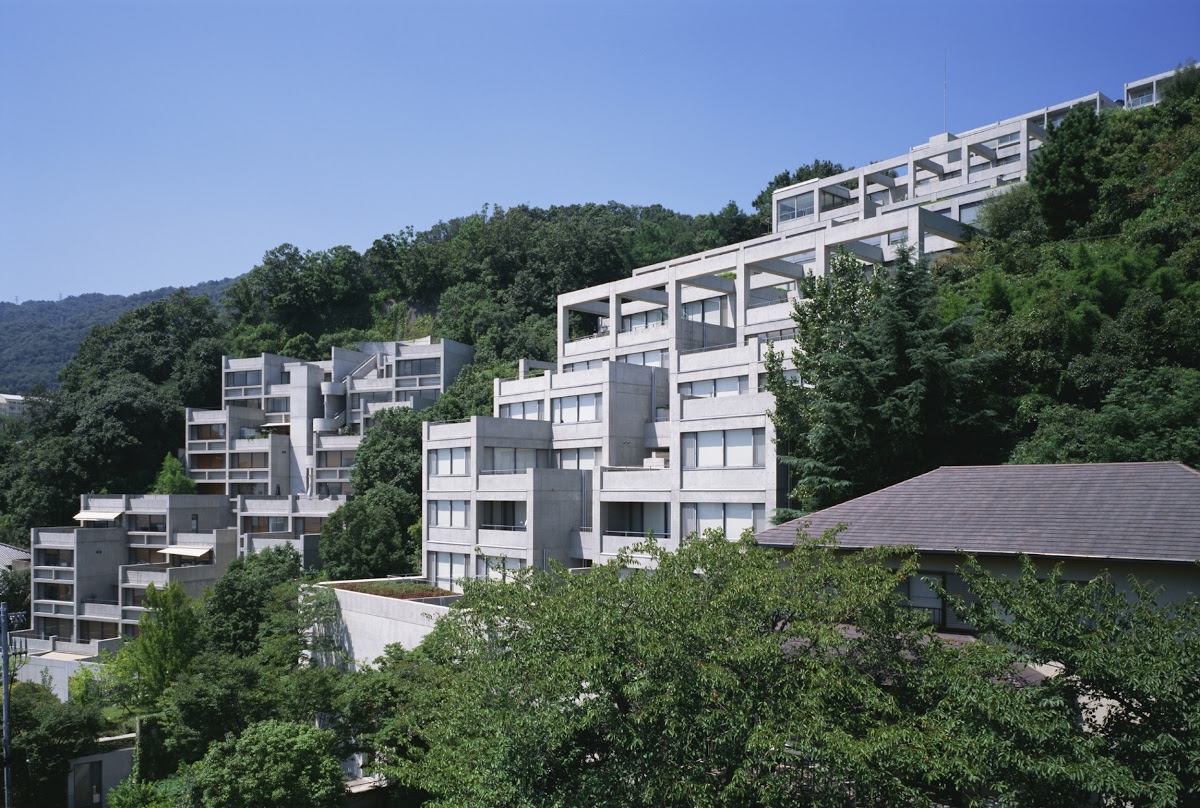
Completed as the second phase (1993) of the Rokko series, Rokko Housing II pushes the same idea-stacked, stepped dwellings on a severe slope-with a clearer sense of how repetition can still produce variety.
The inspiration here is almost urban: Ando treats housing like a hillside micro-city, where the logic of structure and circulation creates identity more than façade gestures.
Church On The Water
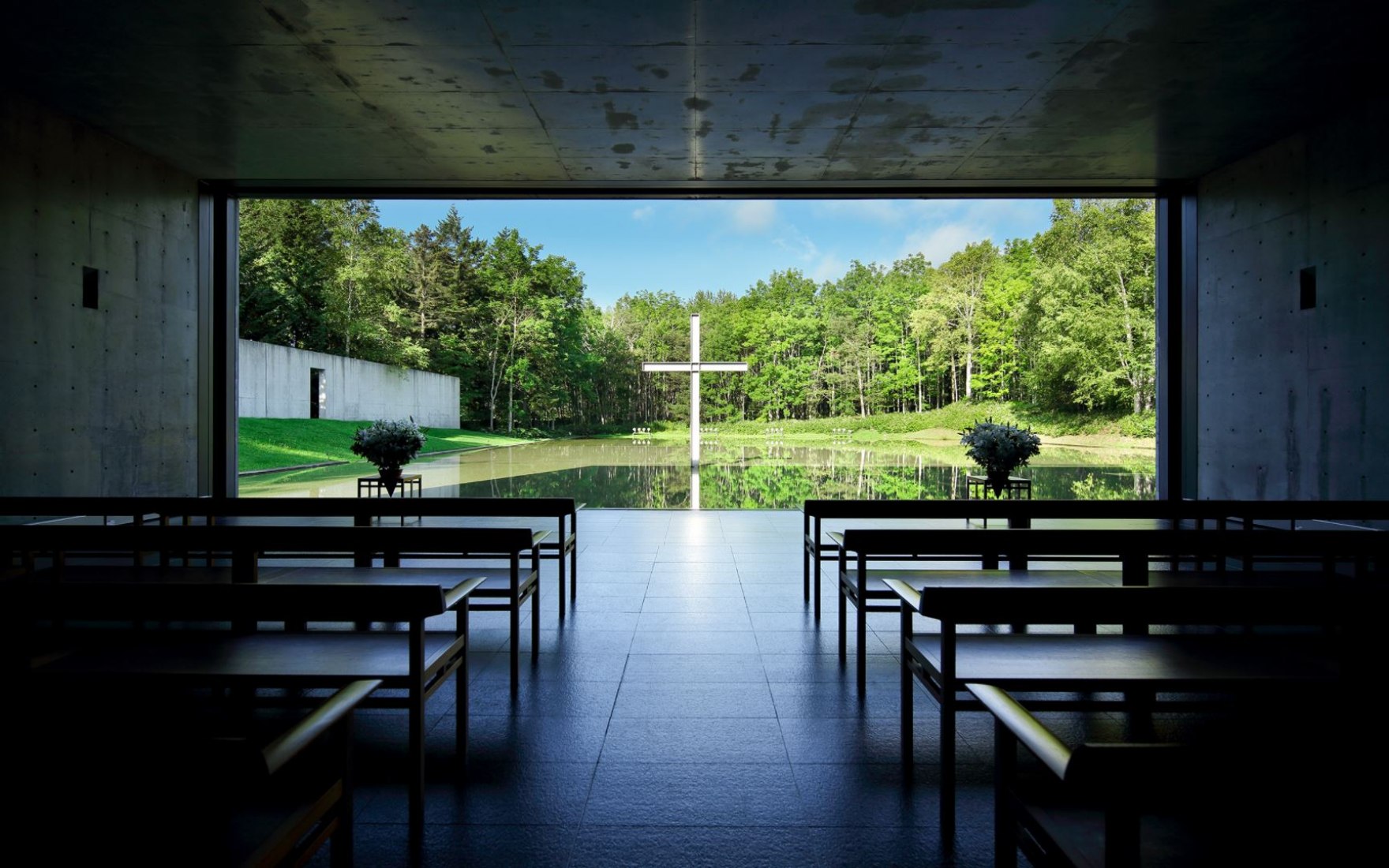
Completed in 1988 at Tomamu, Hokkaido, this chapel is essentially a ritual staged against a reflective pool: the altar faces water, horizon, and sky, making nature the “icon.”
The design’s emotional trigger is the controlled reveal-approach, pause, then the quiet shock of the water plane, so the building feels less like an object and more like a calibrated moment of stillness.
Church Of The Light
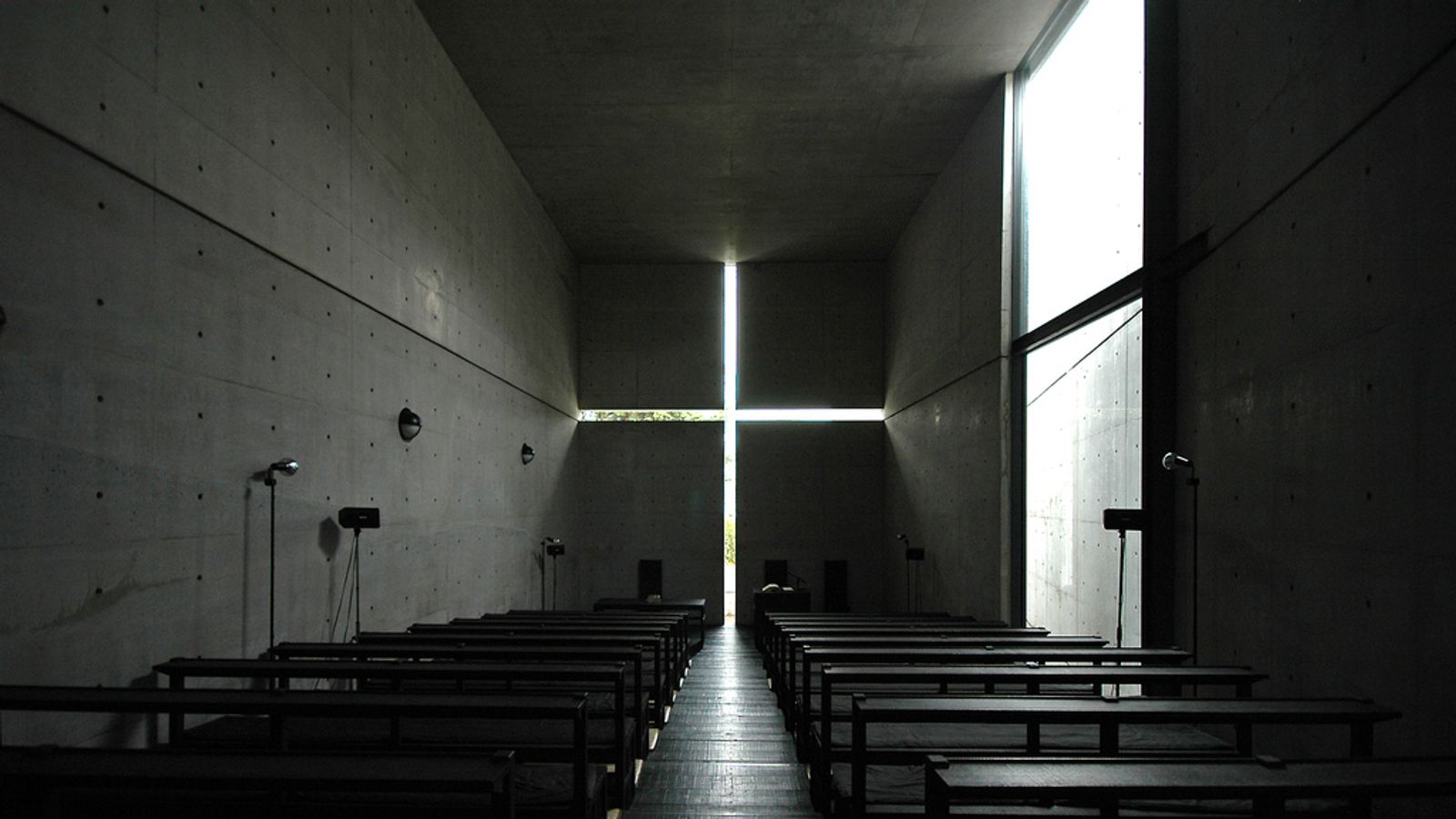
Built in Ibaraki, Osaka (1989), the Church of the Light is famous for one move: a cross-shaped cut that turns daylight into a glowing figure.
The inspiration is conceptual rather than ornamental, faith expressed as light made visible, with concrete acting as silence and shadow as the supporting “material.” A later addition expanded the complex, but the original chapel remains a pure statement.
Honpukuji Water Temple (Mizumidō)
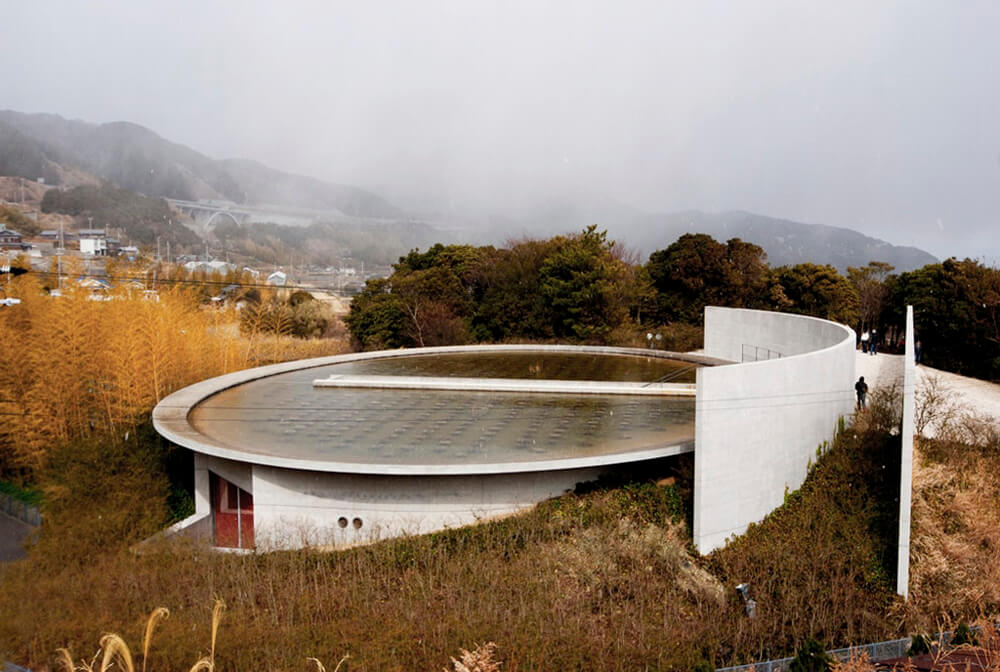
On Awaji Island, Ando rebuilt Honpukuji’s main hall in 1991, placing the sacred space beneath a lotus pond so visitors descend from the bright exterior into a hushed, concentrated interior.
The inspiration is explicitly tied to Ando’s thinking about Asian sacred landscapes and water as a spiritual threshold-architecture becomes a transition from everyday noise to focused calm.
Benesse House Museum (Naoshima)
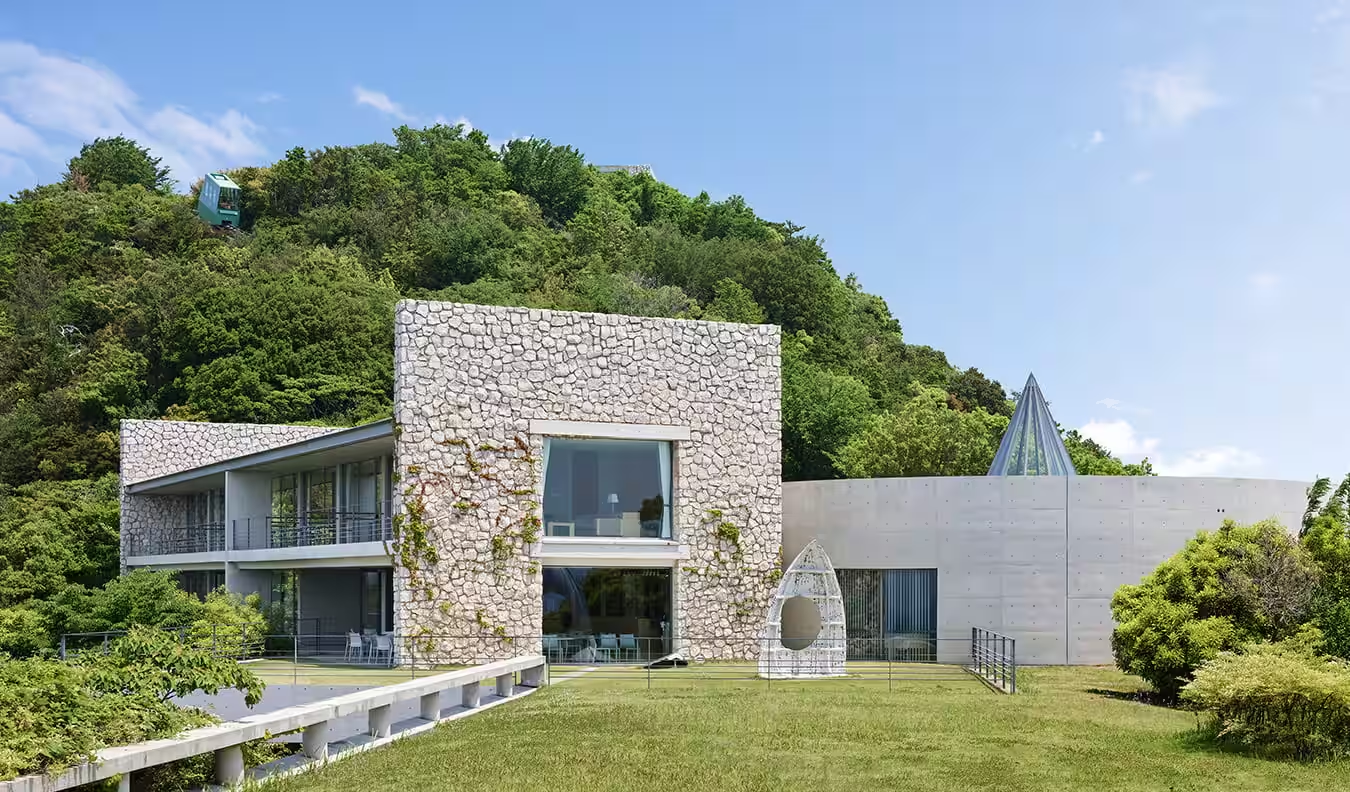
Opened in 1992 on Naoshima, Benesse House is where Ando begins a long conversation between art, architecture, and the Seto Inland Sea.
Rather than competing with artworks, the building uses concrete, terraces, and carefully controlled openings to make the island’s light feel curated, like the landscape is part of the exhibition.
Osaka Prefectural Chikatsu Asuka Museum
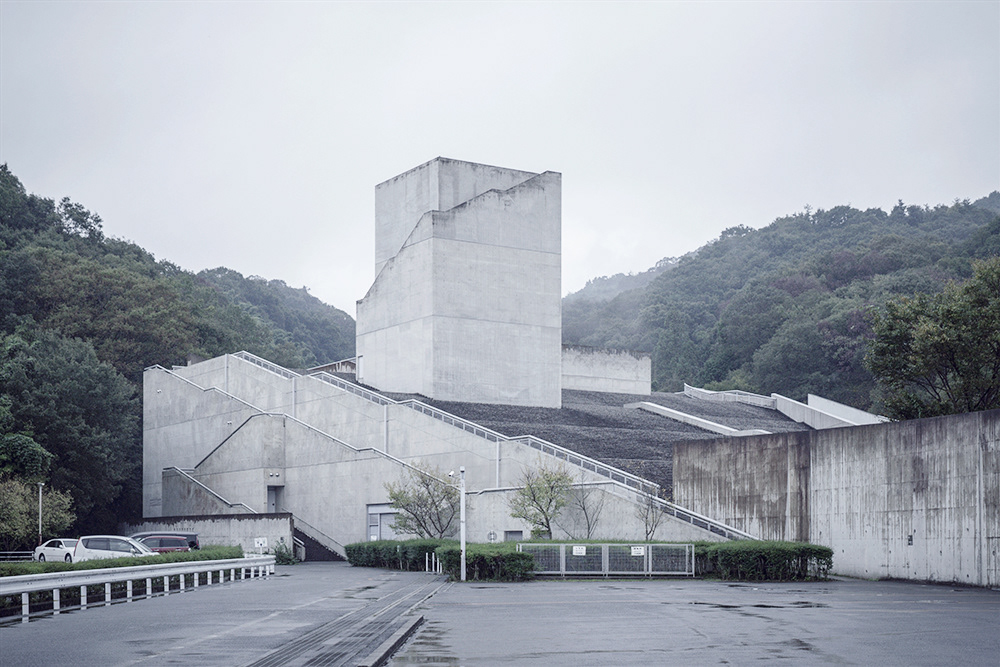
Located in Osaka Prefecture and opened in the mid-1990s, this museum is often described through its landform quality: it feels like a geometric intervention in the landscape rather than a stand-alone object.
The inspiration is archaeological, and topographic-Ando’s crisp concrete geometry acts as a contemporary counterpoint to the region’s ancient burial-mound history.
Awaji Yumebutai
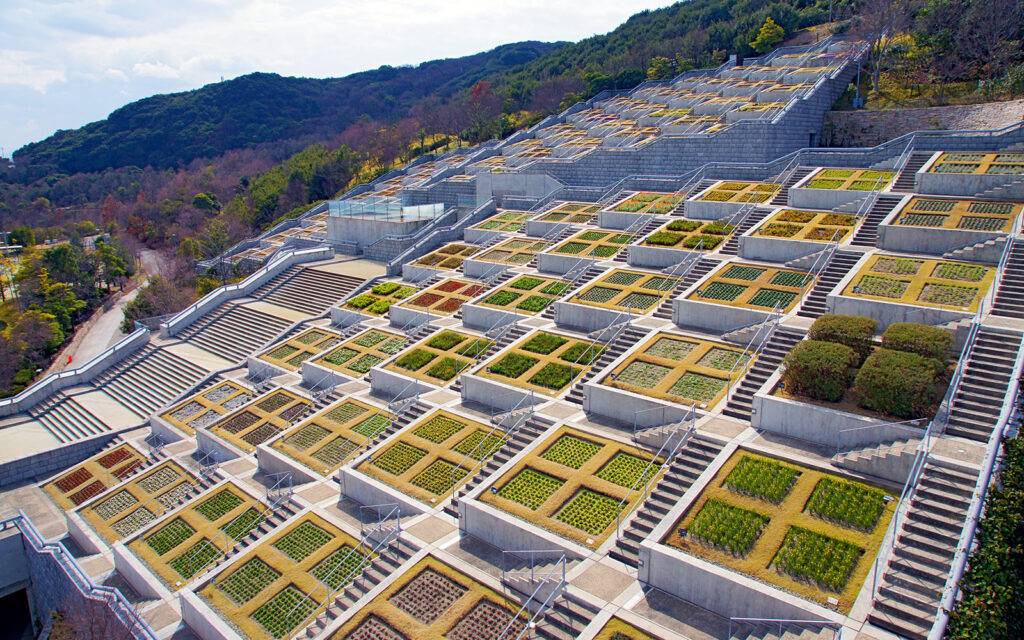
A large complex in Awaji, Hyōgo, Awaji Yumebutai is deeply tied to the 1995 Great Hanshin-Awaji Earthquake context, planned earlier, but later read as a project of recovery and ecological repair.
Its most memorable spaces (including the terraced “hundred-step gardens”) treat the site like a civic landscape, where movement through stairs, water, and planted terraces becomes the architecture’s real narrative.
Sayamaike Historical Museum
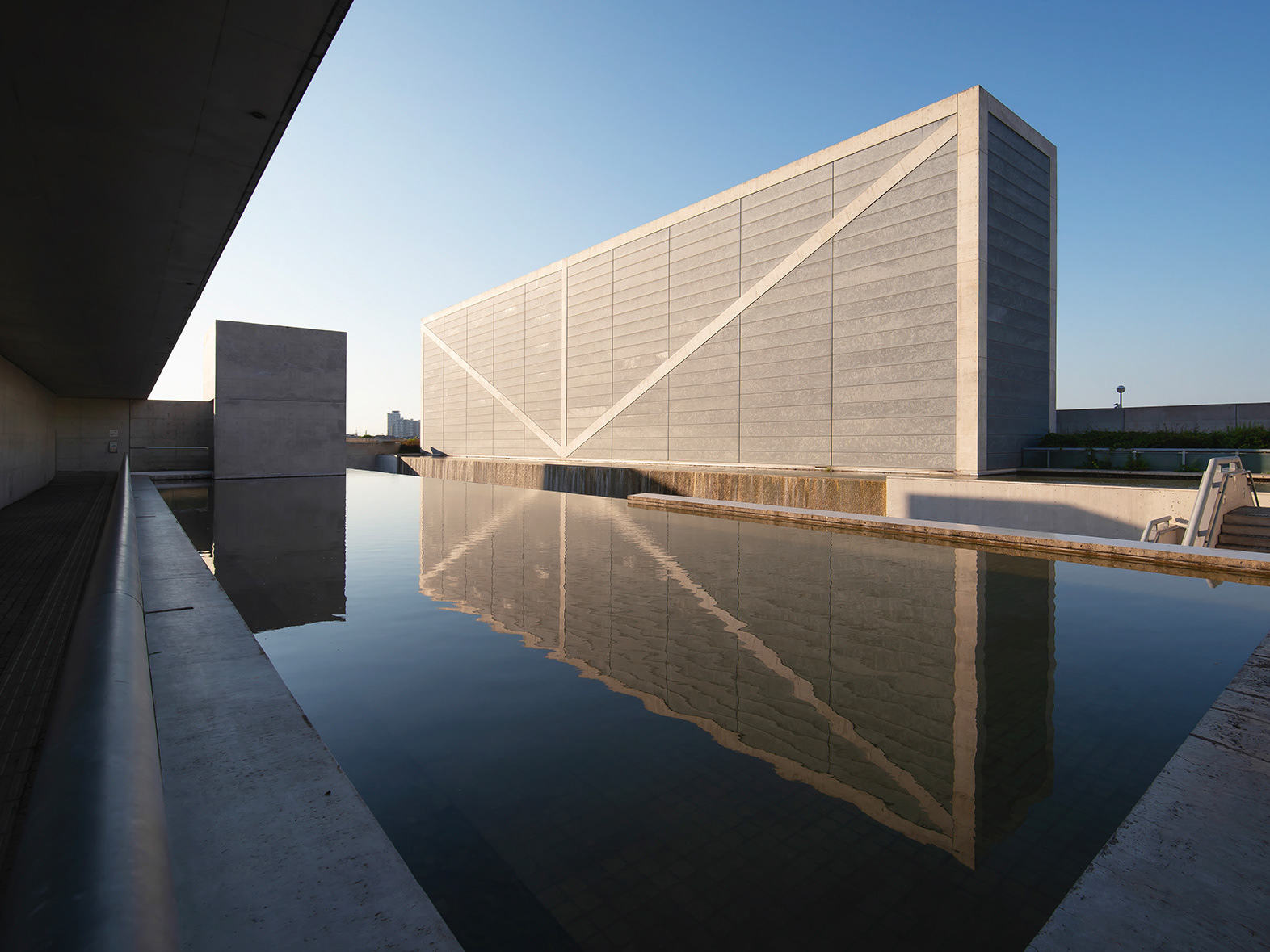
In Osaka Prefecture (opened in the early 2000s), this museum is built around an infrastructural story: Sayamaike is tied to one of Japan’s oldest irrigation reservoirs, and Ando turns that history into a spatial experience.
Long concrete walls and measured daylight make the exhibits feel like they belong to the same world as canals and embankments-quiet, engineered, and time-deep.
Hyogo Prefectural Museum Of Art
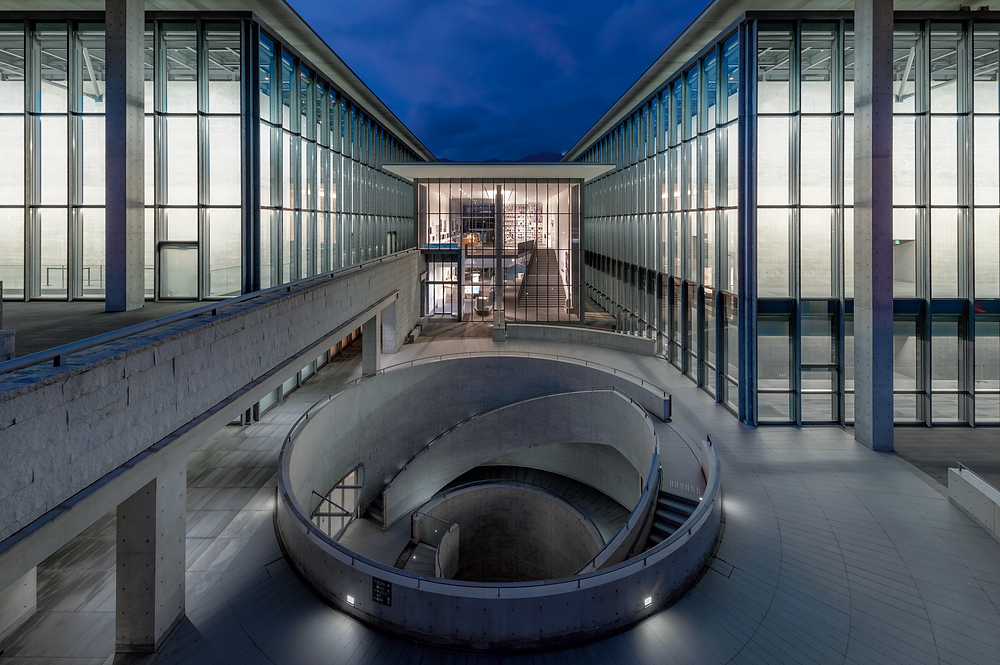
Opened in April 2002 in HAT Kobe, this museum is explicitly framed as part of cultural restoration after the 1995 earthquake.
Architecturally, Ando uses broad promenades, strong horizontals, and controlled glazing to give Kobe a civic-scale museum that feels calm but not cold, public space first, gallery object second.
Pulitzer Arts Foundation (St. Louis)
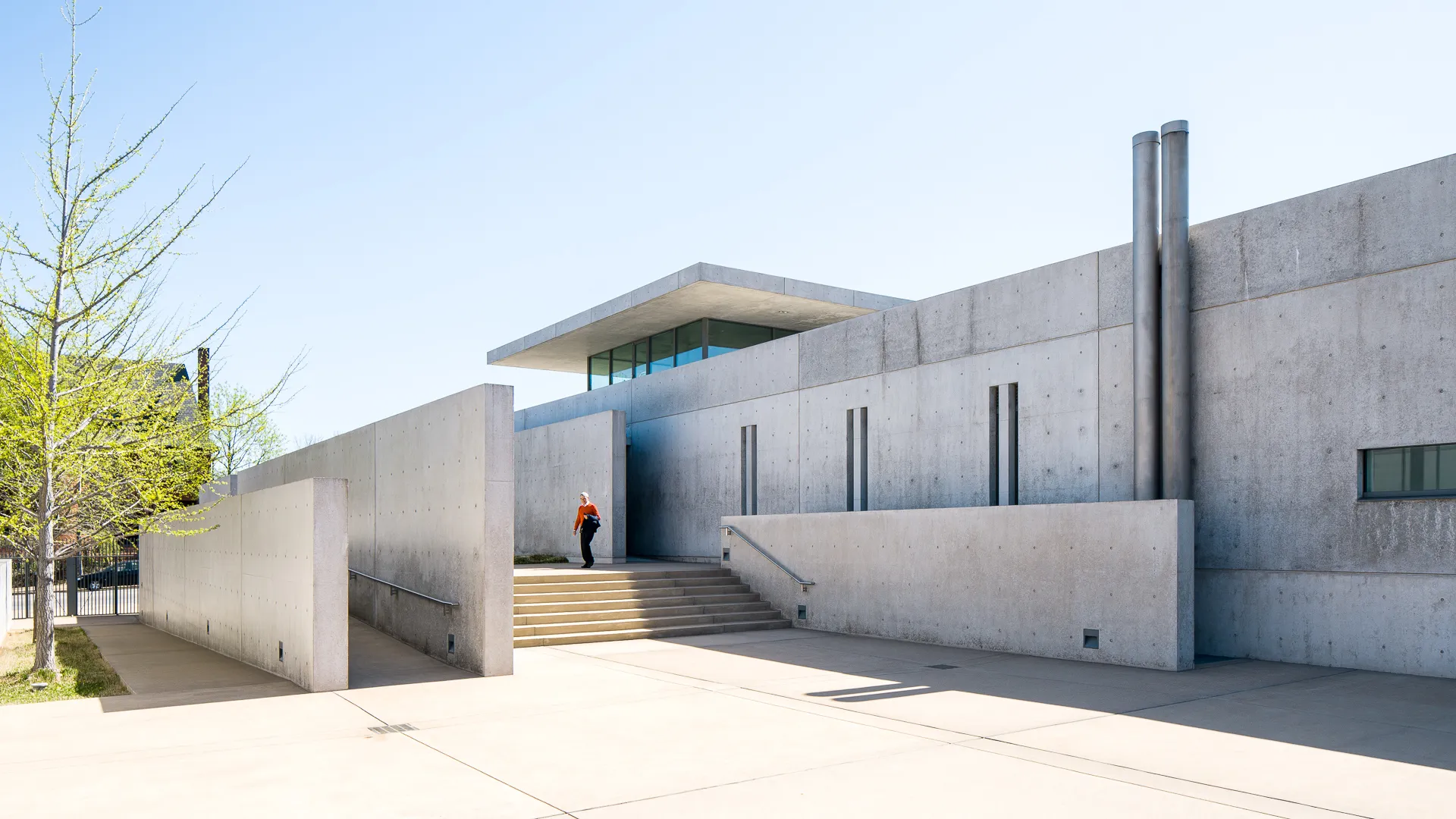
The Pulitzer’s main building opened in 2001 as Ando’s first public commission in the United States, a landmark moment that translated his concrete-and-light language into an American museum context.
The plan is deliberately introverted-galleries organized around a water court, so visitors feel buffered from the city, with daylight treated as the primary “exhibit-making” tool.
Modern Art Museum Of Fort Worth
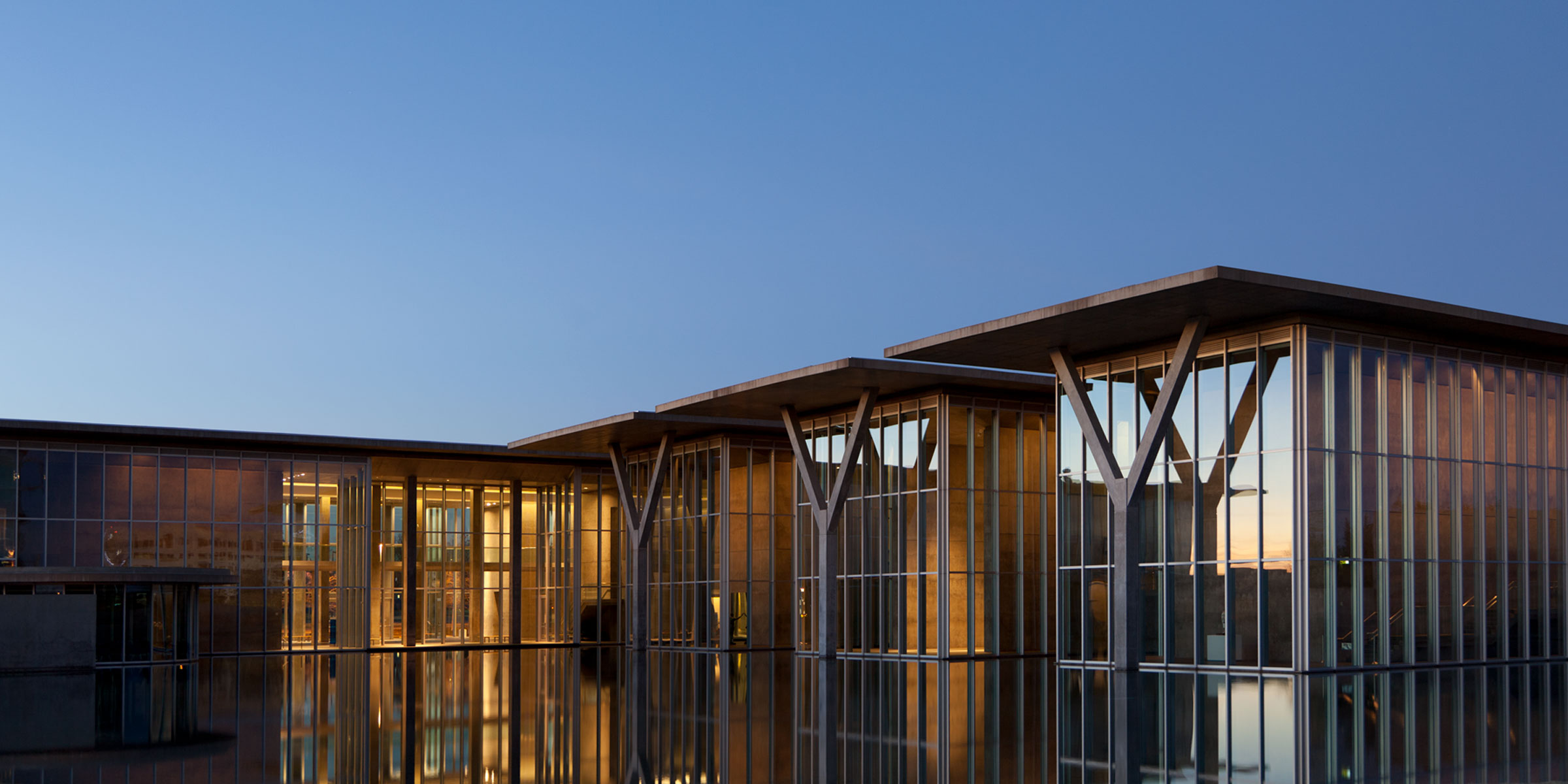
Designed by Ando and completed in 2002, the Modern in Fort Worth’s Cultural District is defined by long glass walls and a reflecting pool that makes the building seem to hover.
The inspiration is contextual and civic: it’s a museum that “belongs” to its neighbors (Kimbell, Amon Carter) by being measured, horizontal, and light-driven, more atmosphere than spectacle.
4x4 House
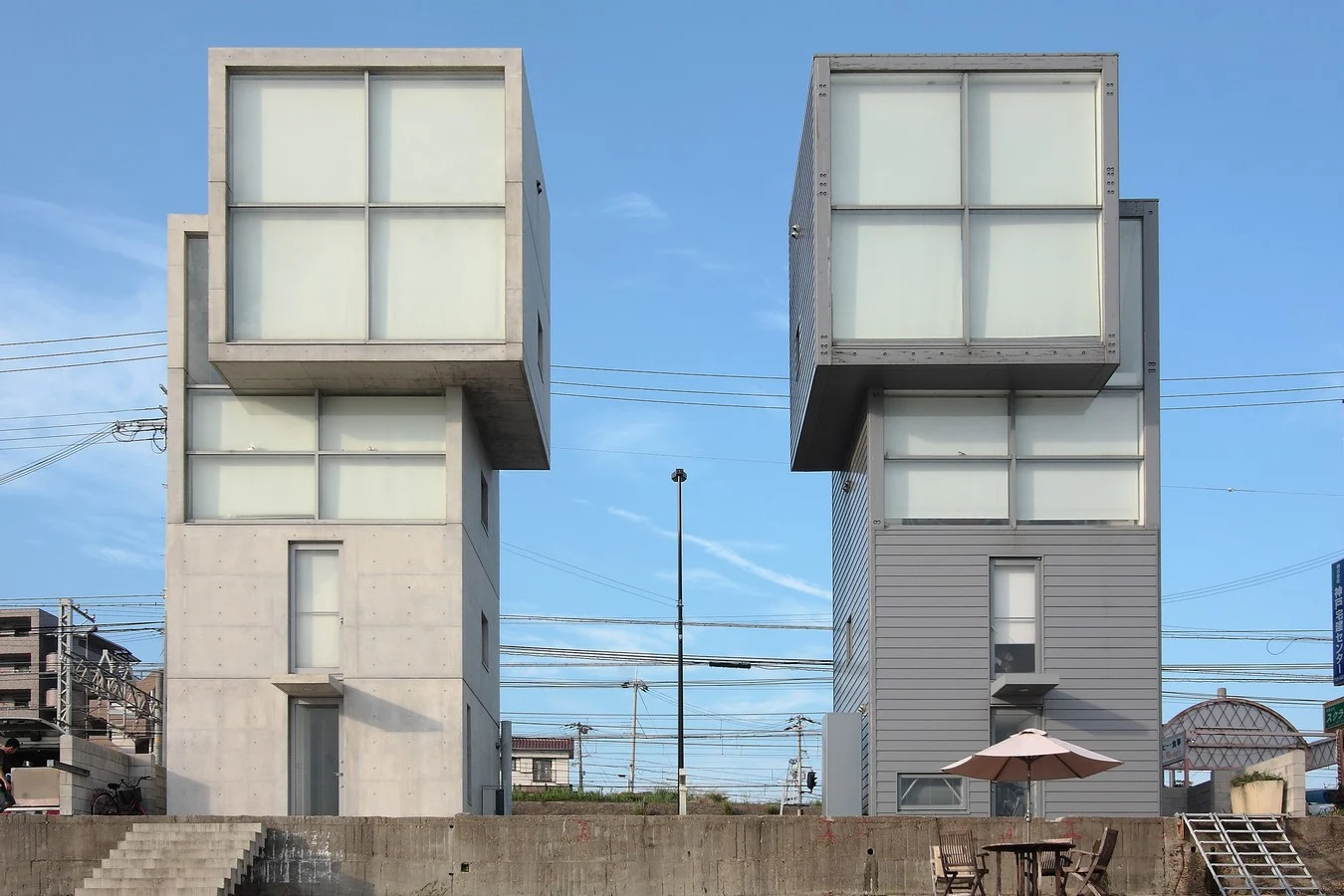
Built in 2003 in Tarumi-ku, Kobe, the 4x4 House is Ando’s answer to an extreme site: a tiny, sea-edge plot shaped by post-earthquake redevelopment conditions.
The tower-like form turns limitation into clarity-stacked rooms, tight proportions, and concrete mass that reads as resilience, while the sea view becomes the project’s release valve.
Chichu Art Museum (Naoshima)
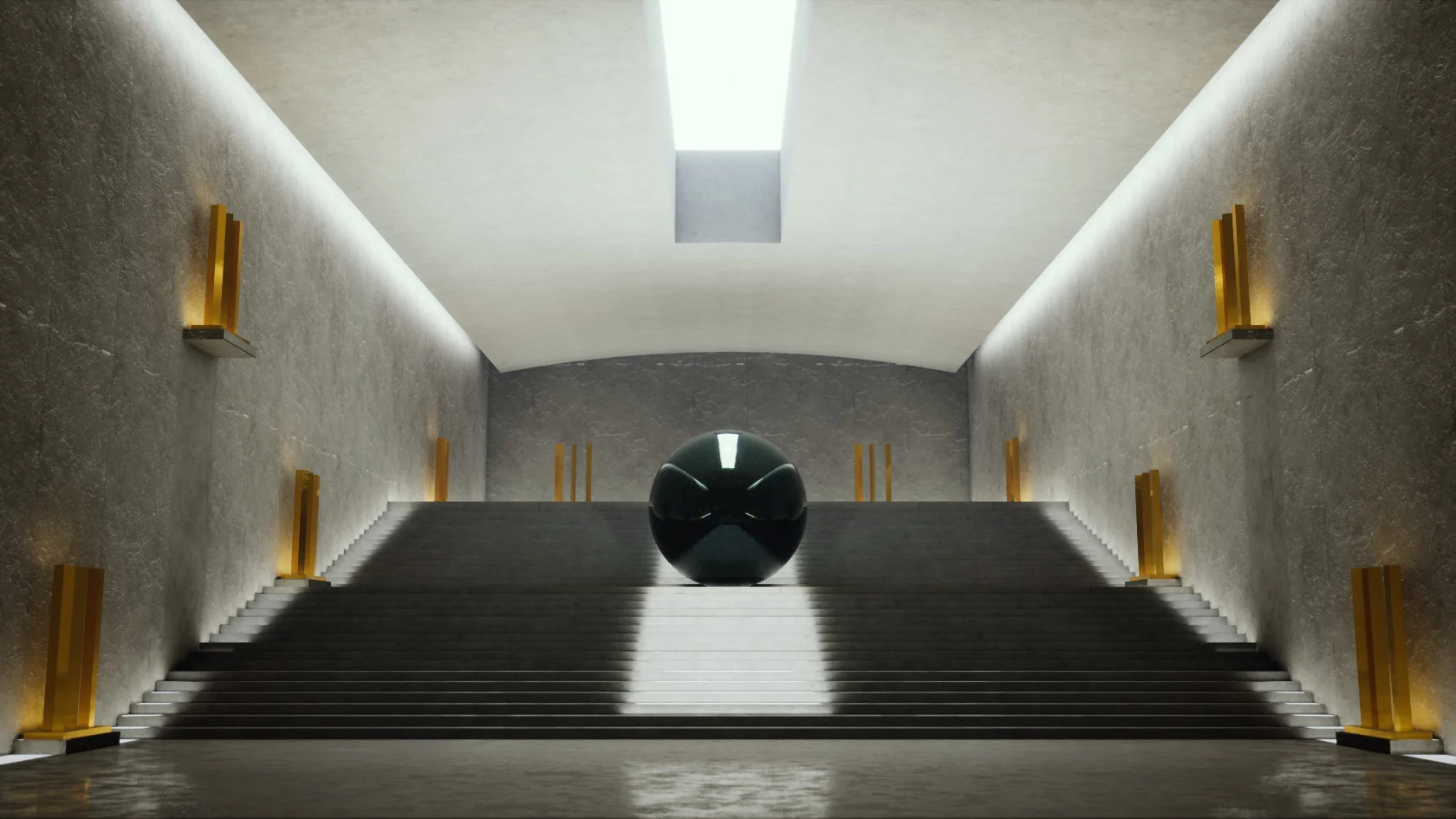
Opened in 2004 on Naoshima, Chichu is a museum “in the earth,” where architecture is less about façade and more about choreographing daylight for art.
The inspiration is almost surgical: Ando uses courtyards, apertures, and buried volumes to let the sky become a controlled instrument, so the experience shifts with time, weather, and season.
Omotesando Hills (Tokyo)
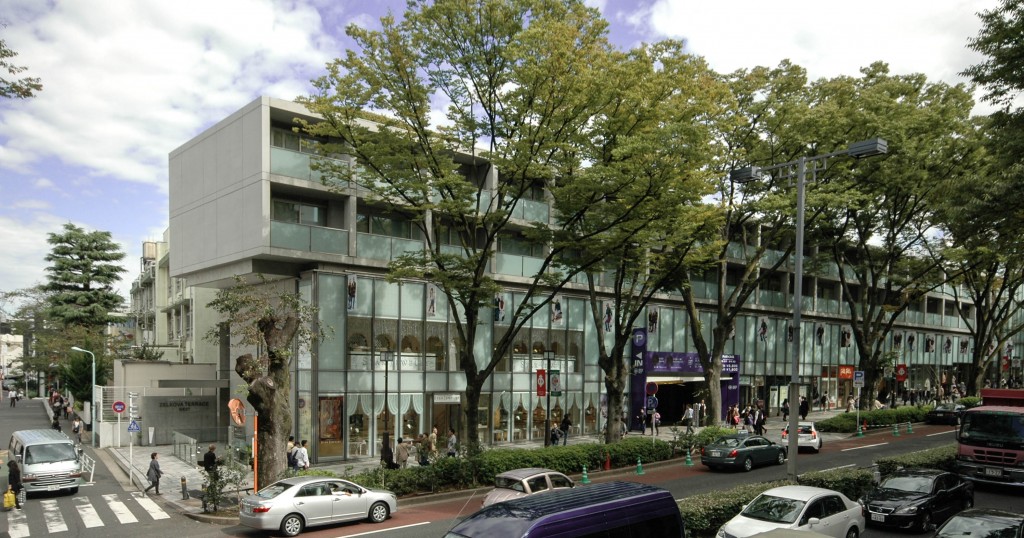
Opened in 2006 in Tokyo’s Omotesando, this project is Ando working at an urban-commercial scale, balancing a high-traffic retail program with the street’s cultural weight.
The inspiration is contextual discipline: rather than shouting, the building organizes movement through ramps and layered interiors, giving shopping the feel of a continuous promenade.
21_21 Design Sight (Tokyo)
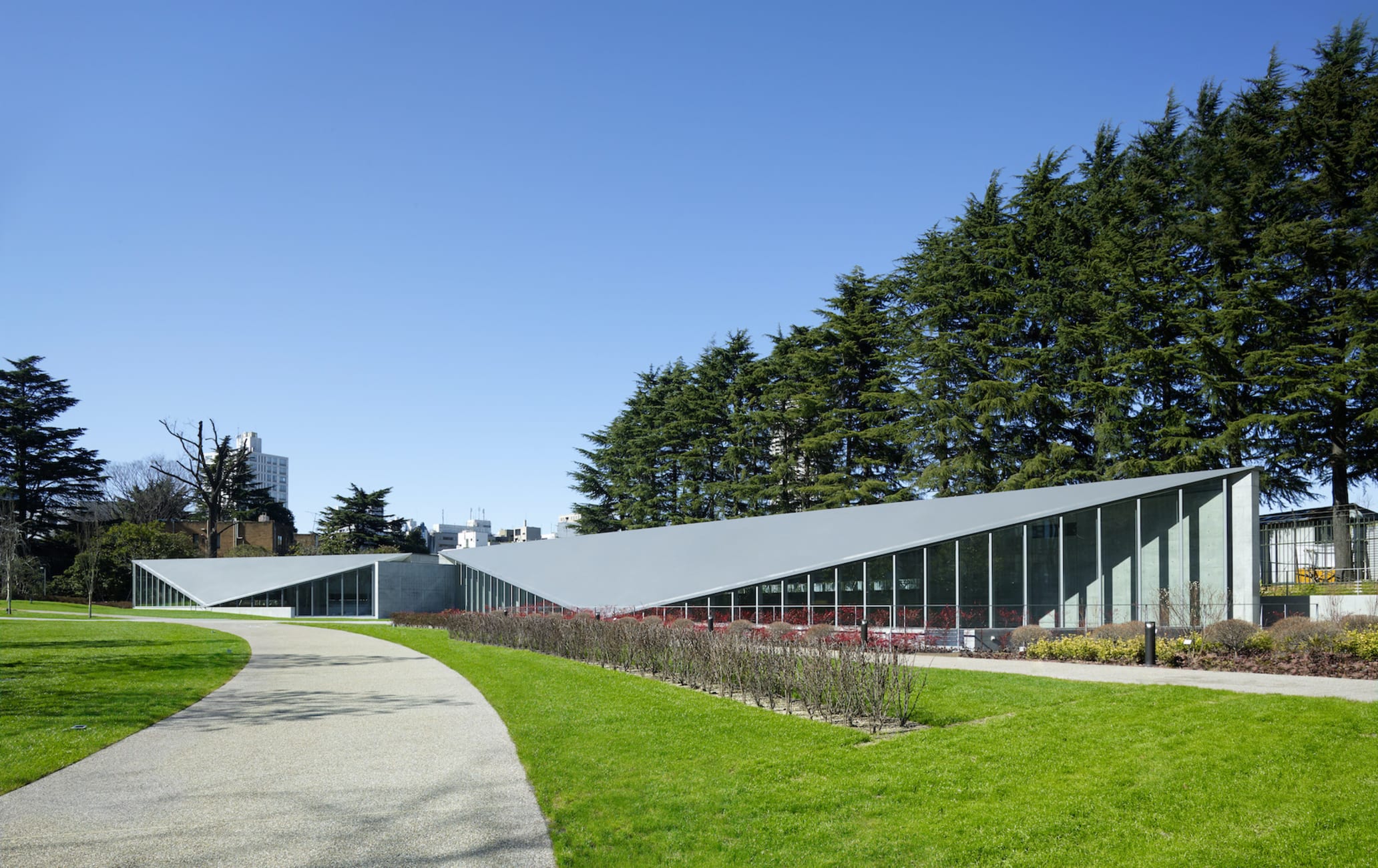
Established/opened in 2007 in Roppongi, Tokyo, 21_21 is often summarized by its roof: two large steel planes that look like they float just above the ground.
The deeper idea is design as everyday thinking-Ando keeps much of the building low and quiet so the landscape and exhibitions share attention, rather than the architecture dominating the conversation.
Lee Ufan Museum (Naoshima)
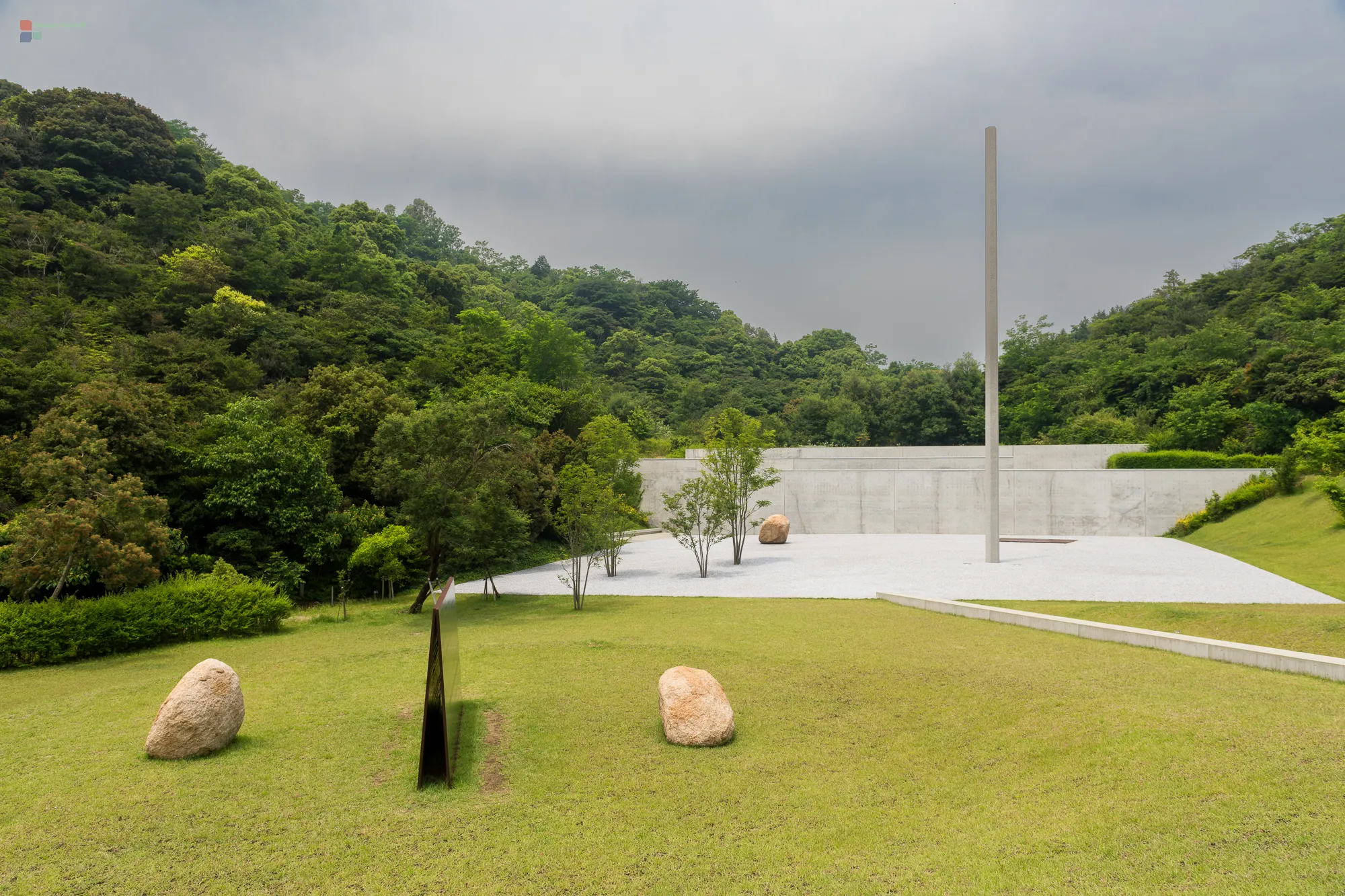
Opened in 2010 on Naoshima, the Lee Ufan Museum is Ando at his most restrained, with long approaches, controlled light, and spatial pauses that match the philosophical quiet of the artworks.
The inspiration is alignment: building, landscape, and art are edited into one tempo, so the visitor experience feels contemplative without being theatrical.
Bourse De Commerce – Pinault Collection (Paris)
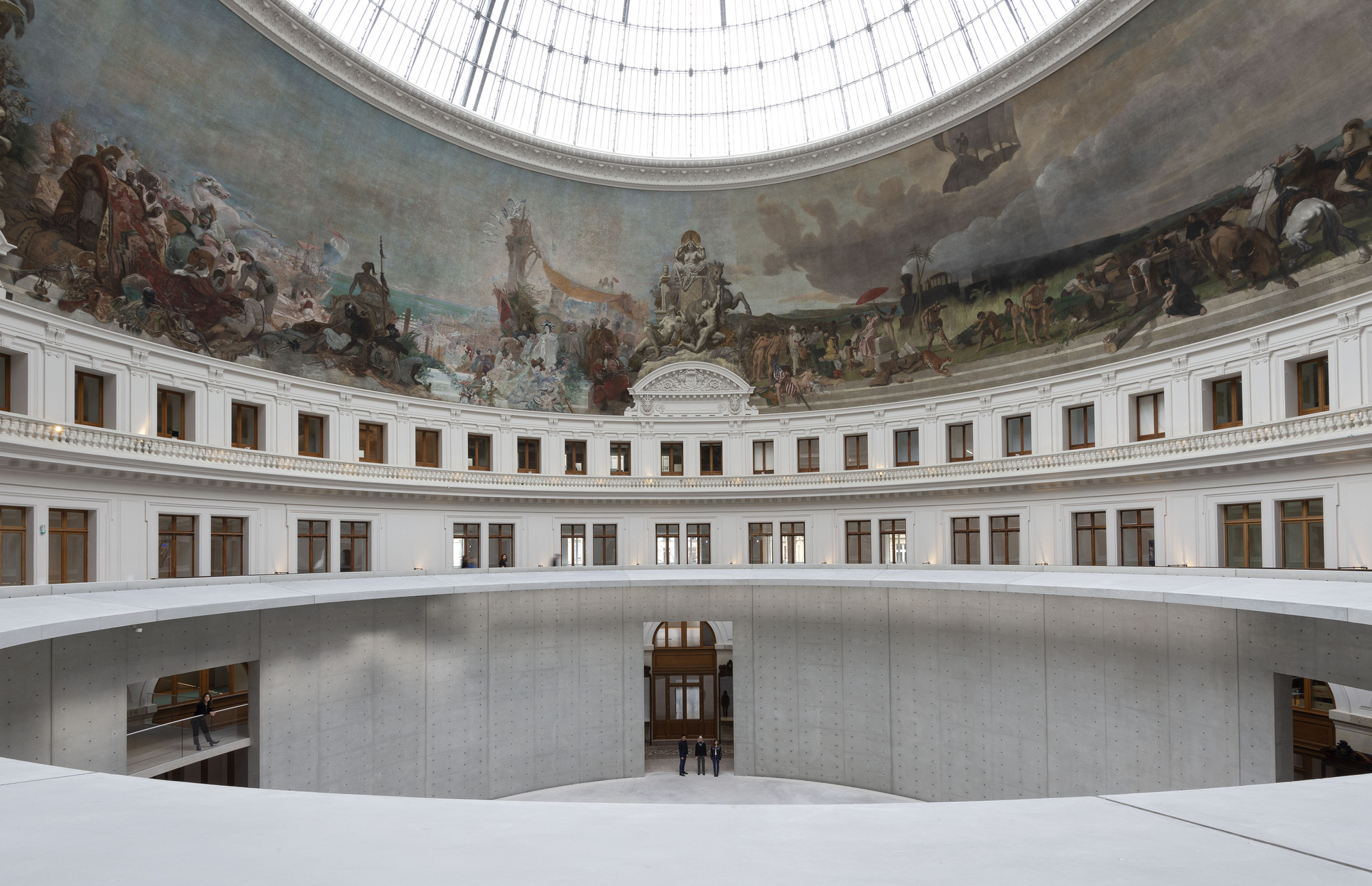
Reopened as a contemporary art museum in 2021 in central Paris, the Bourse de Commerce is Ando’s signature intervention inside a historic rotunda: a new concrete cylinder inserted to create a modern spatial order without erasing the old.
The inspiration is dialogue-heritage and minimalism held in tension, so visitors can feel both the gravity of history and the clarity of contemporary geometry in the same room.
The intervention is organized around a concrete cylinder placed inside the rotunda described by the Pinault Collection as a new “circle within the circle,” designed to dialogue with restored historic elements rather than replace them.
Reports on the project commonly note the cylinder’s commanding scale (roughly 9 meters high in published descriptions), which is exactly why it reads as a new spatial order rather than a decorative insert.
Vitra Conference Pavilion
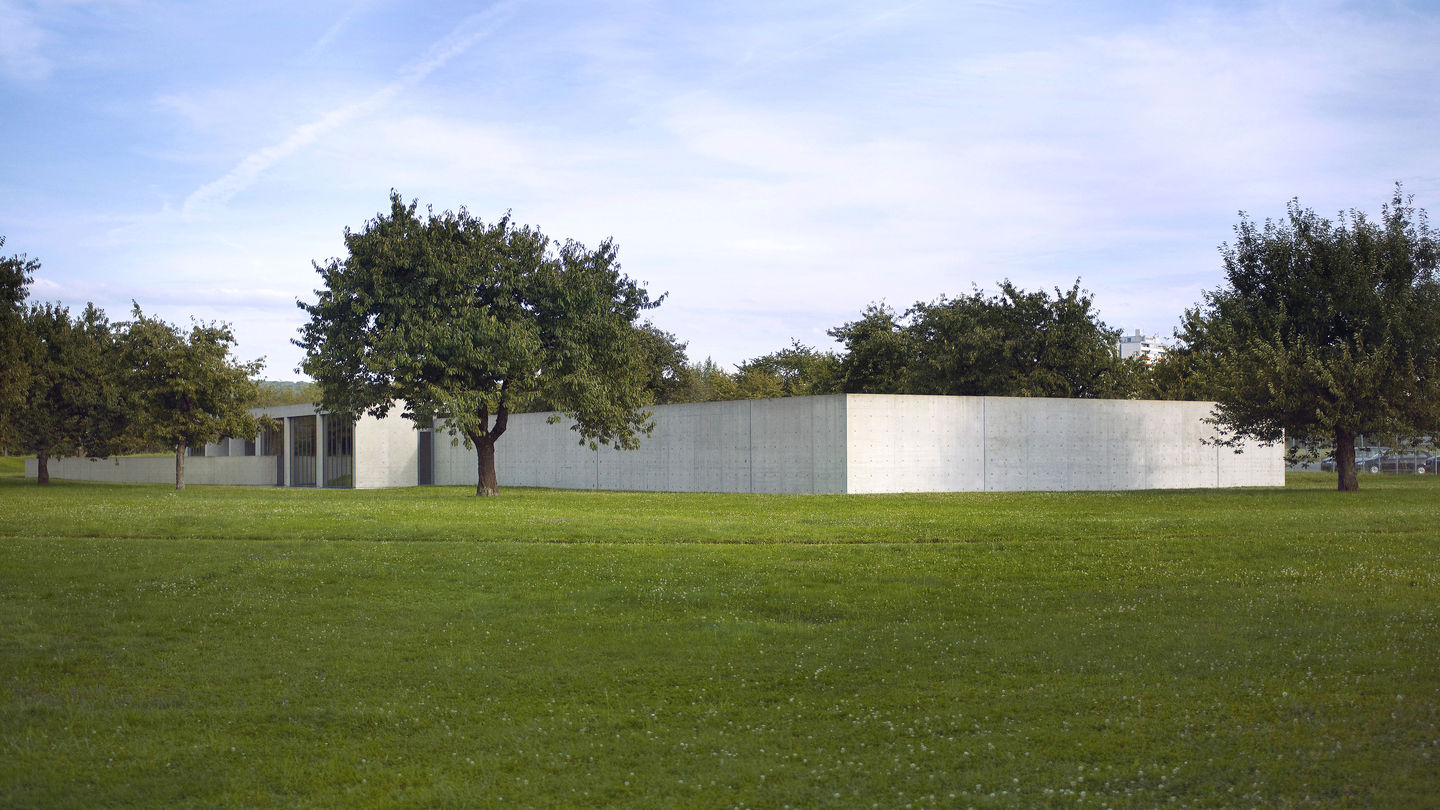
Completed in 1993, the Vitra Conference Pavilion is widely cited as Ando’s first building outside Japan. Much of its volume is held low and partially below grade, and the approach path becomes part of the architectural “calm” before you arrive.
Palazzo Grassi
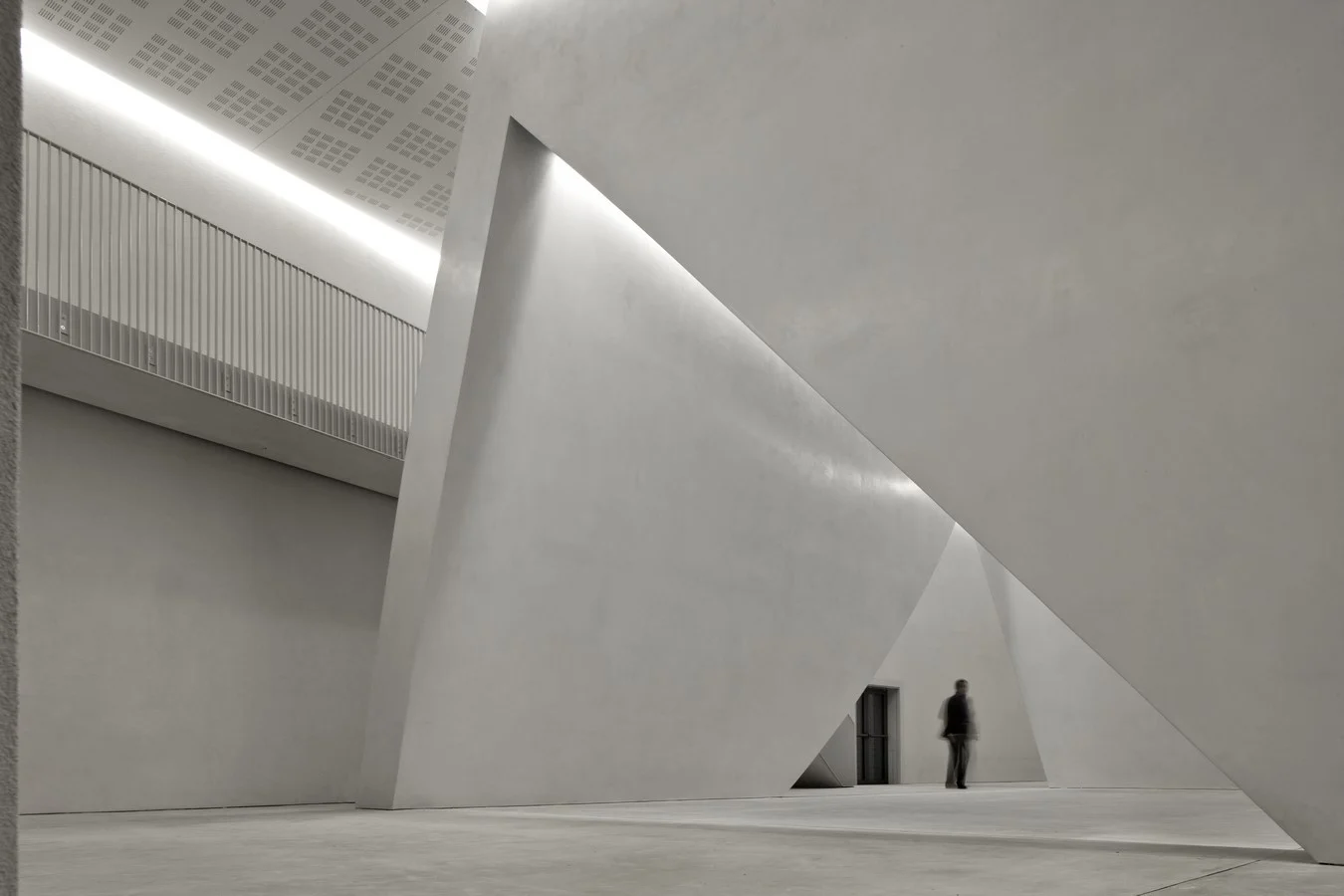
Reopened as a contemporary art venue in 2006 after Ando’s renovation, Palazzo Grassi shows his adaptive-reuse discipline: he holds historic weight and contemporary clarity in the same frame, so the building supports art without shouting over it.
Punta Della Dogana
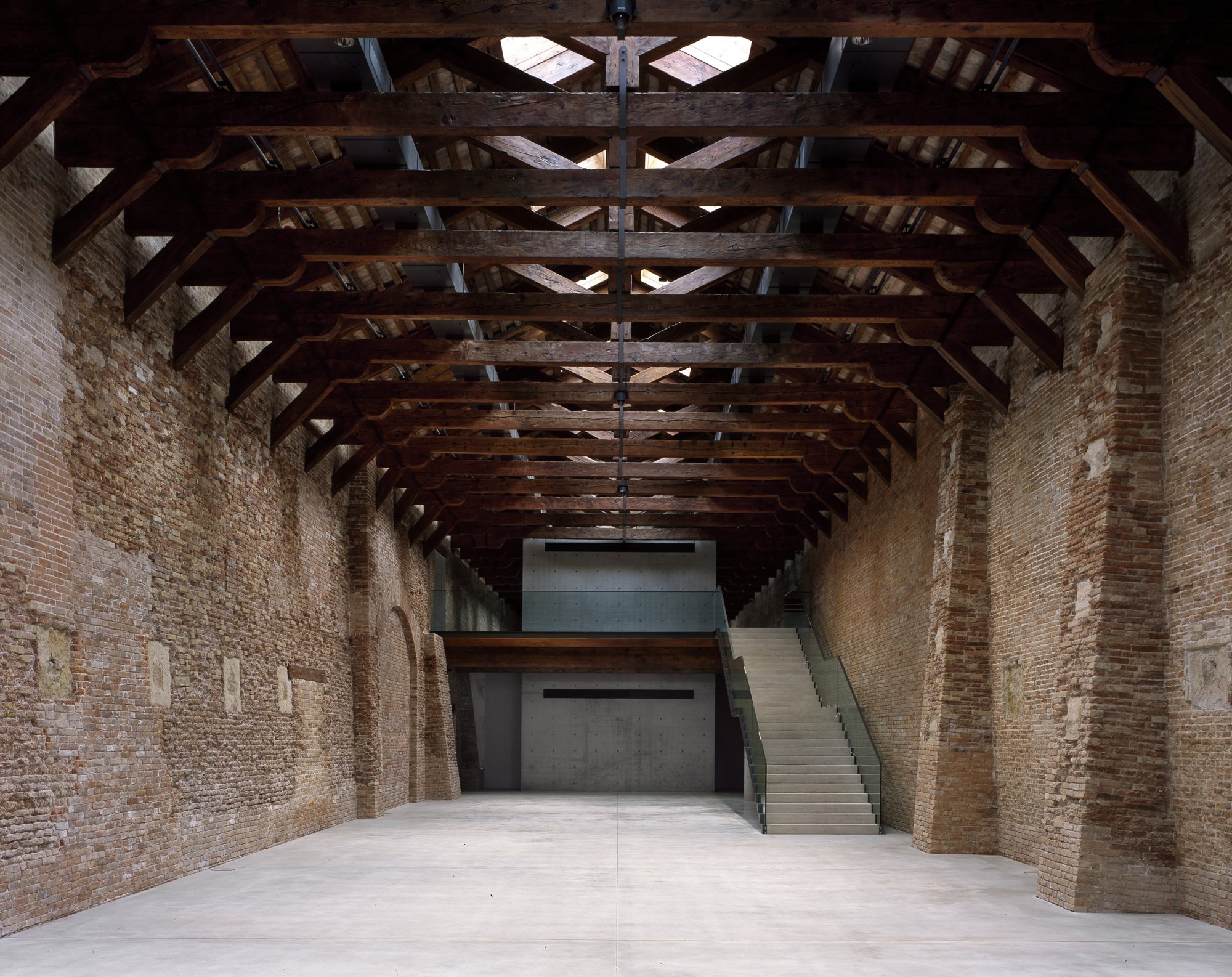
Reopened in 2009 after restoration led by Ando, Punta della Dogana extends the same idea at a different scale: old fabric retained, new spatial order clarified, and circulation made legible, quiet architecture that edits how you move and how you pause with art.
Naoshima New Museum Of Art
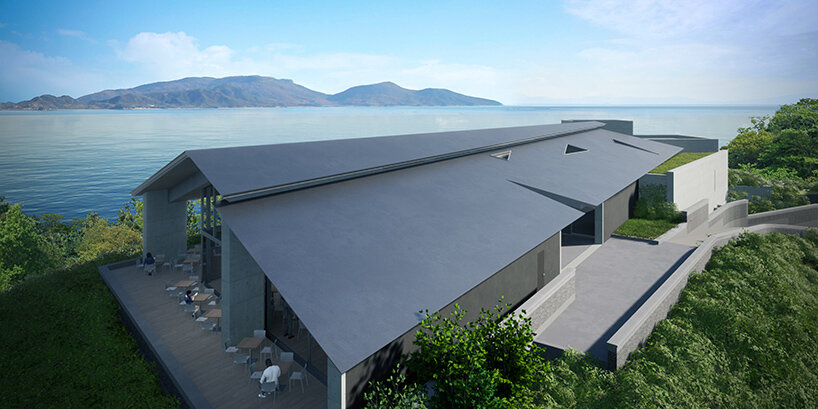
Announced to open in Spring 2025 and described as Ando’s tenth architectural work for Benesse Art Site Naoshima, the Naoshima New Museum of Art updates the island cluster with a new contemporary Asian-art focus proof that “Ando on Naoshima” is still evolving.
How To Read A Tadao Ando Building Like An Architect
You’ll leave this section able to look at one plan or photo and extract the core experience fast.
Start With The Route, Not The Façade
Ask: Where does the body enter? Where does it pause? Where is the “release” moment? (This is how the Row House in Sumiyoshi becomes a radical experience despite its small footprint.)
Identify The Quiet Room And The Charged Room
In Ando, not every space is intense. Some are deliberately neutral, so one room can carry the emotional peak.
Use This Micro-Checklist (Works On Plans And Photos)
- Threshold count: how many transitions until the main space?
- Compression point: where does the ceiling drop or the corridor tighten?
- Primary light source: sky, slit, courtyard, water reflection?
- Nature framing: what view is edited into a rectangle?
- One dominant geometry: rectangle, circle, grid-what governs the whole?
- Silence tactic: where does material simplicity reduce distraction?
Tadao Ando: Books, Websites, Exhibitions, And Travel Routes
You’ll get a practical study path here, so “research” becomes progress.
Book Shortlist: What Each Kind Of Book Is For
- Monographs (complete works): best for seeing evolution over decades.
- Project-focused books: best for deep reading of a single building (plans/sections/photos).
- Interviews/essays: best for understanding intent and vocabulary.
Websites Worth Bookmarking
- Google Arts & Culture (Tadao Ando Architect & Associates partner content): unusually useful because many pages cite original sources and present works as lessons.
- Institution sites for Ando buildings (museums, foundations): best for accurate openings and “why this building exists.”
A 3-Route Travel Plan (Pick One)
- Naoshima (2 days): Benesse House → Chichu → Lee Ufan → ANDO MUSEUM.
- Osaka/Kobe (1 day): Row House (exterior reading) → Church of the Light → Rokko area (context reading).
- Tokyo (1 day): Omotesando Hills promenade → 21_21 galleries.
Takeaway: Studying Ando works best as a curated sequence, exactly the way his buildings are designed.
Frequently Asked Questions
What Is Tadao Ando's Architectural Style?
Tadao Ando’s style is minimalist and geometric, using exposed concrete, controlled light, and choreographed movement to intensify nature and silence.
Why Does Tadao Ando Use Concrete?
He uses concrete for precision and quietness: smooth planes sharpen light and reduce visual noise so space, water, and shadow become the focus.
What Are Ando's Key Architectural Concepts?
Sequence (approach and thresholds), simple geometry, light as material, and nature as a framed element, often through courtyards and reflecting pools.
How Did Tadao Ando Learn Architecture?
Ando is widely described as self-taught, and he founded Tadao Ando Architect & Associates in 1969 without a conventional architecture degree path.
What Makes The Church Of The Light So Famous?
Its defining move is a cross-shaped opening that turns daylight into the primary “symbol,” making time and atmosphere visible inside a concrete box.
Is Tadao Ando A Brutalist Architect?
He uses exposed concrete, but his intent differs from classic Brutalism: the concrete is typically refined and used to amplify light, silence, and nature.
What’s The Best Place To Experience Multiple Ando Buildings In One Trip?
Naoshima is the clearest cluster: Benesse House, Chichu Art Museum, Lee Ufan Museum, and ANDO MUSEUM form a concentrated study route.
What Is Chichu Art Museum’s Core Idea?
Chichu is designed largely underground, using courtyards to bring sunlight down into the earth-so the visitor experiences sky as carefully rationed light.
What Does Light As Material Mean In Ando’s Architecture?
It means light is shaped and positioned like a building component through cuts, courtyards, water reflection, and contrast-so it defines the room.
What Are The Best Tadao Ando Projects In Tokyo?
Omotesando Hills (urban promenade via ramps) and 21_21 DESIGN SIGHT (low-profile museum experience) are the cleanest Tokyo pair.
What Should I Look For In A Tadao Ando Floor Plan?
Follow the route: count thresholds, find compression points, and locate the first major “release” into light, water, or a framed view.
Which Ando Project Best Shows Architecture As Landscape?
Awaji Yumebutai is explicitly experienced as terraces, gardens, and water rooms-an architectural landscape rather than a single object.
Why Is The Row House In Sumiyoshi Considered Groundbreaking?
It’s a small urban house that makes a courtyard void the center of life-turning routine movement into an intentional, weather-and-sky ritual.
What’s Distinctive About Ando’s Museums In The U.S.?
They scale up his language-minimal materials, water, and controlled daylight into civic experiences (Pulitzer 2001; Fort Worth 2002).
What Is The Architectural Idea Behind The Bourse De Commerce Renovation?
A contemporary concrete cylinder is inserted into the historic circular rotunda, using geometry to mediate between old fabric and new museum space.
Final Thoughts
In an era of "starchitecture" where buildings often compete for the loudest attention, Tadao Ando teaches us the value of silence.
His work reminds us that the most powerful architectural moments aren't found in a complex shape or a flashy material, but in the way a morning shadow hits a concrete wall.
Whether it is a small house in Osaka or a museum in Paris, his buildings ask us to slow down, breathe, and notice the world around us. That, perhaps, is the greatest specification any architect can provide.
Jump to
Tadao Ando Architecture: Mastering The Silent Poetry Of Light And Concrete
The Philosophical Core: Zen, "Ma," And The Power Of Nothingness
The Signature Of Tadao Ando Architecture: 7 Principles That Show Up Again And Again
Tadao Ando Architecture: 24 Projects That Define His Approach
How To Read A Tadao Ando Building Like An Architect
Tadao Ando: Books, Websites, Exhibitions, And Travel Routes
Frequently Asked Questions
Final Thoughts

George Evans
Author
George Anderson, an exceptional architectural designer, envisions and brings to life structures that transcend the realm of imagination. With an unwavering passion for design and an innate eye for detail, George seamlessly blends form and function, creating immersive spaces that inspire awe.
Driven by a deep appreciation for the interplay of space, light, and materials, George's innovative approach redefines the possibilities of architectural design. His visionary compositions leave an indelible mark, evoking a sense of wonder and transforming the built environment.
George Anderson's transformative designs and unwavering dedication continue to shape the architectural landscape, pushing the boundaries of what is possible and inspiring generations to come.
Latest Articles
Popular Articles