30 Famous French Architects Who Changed History
From Versailles to the Eiffel Tower, explore the famous French architects who built the modern world. A deep dive into the 30 visionaries, risks, and styles that defined an era.
Author:George EvansFeb 08, 20261.8K Shares25.2K Views
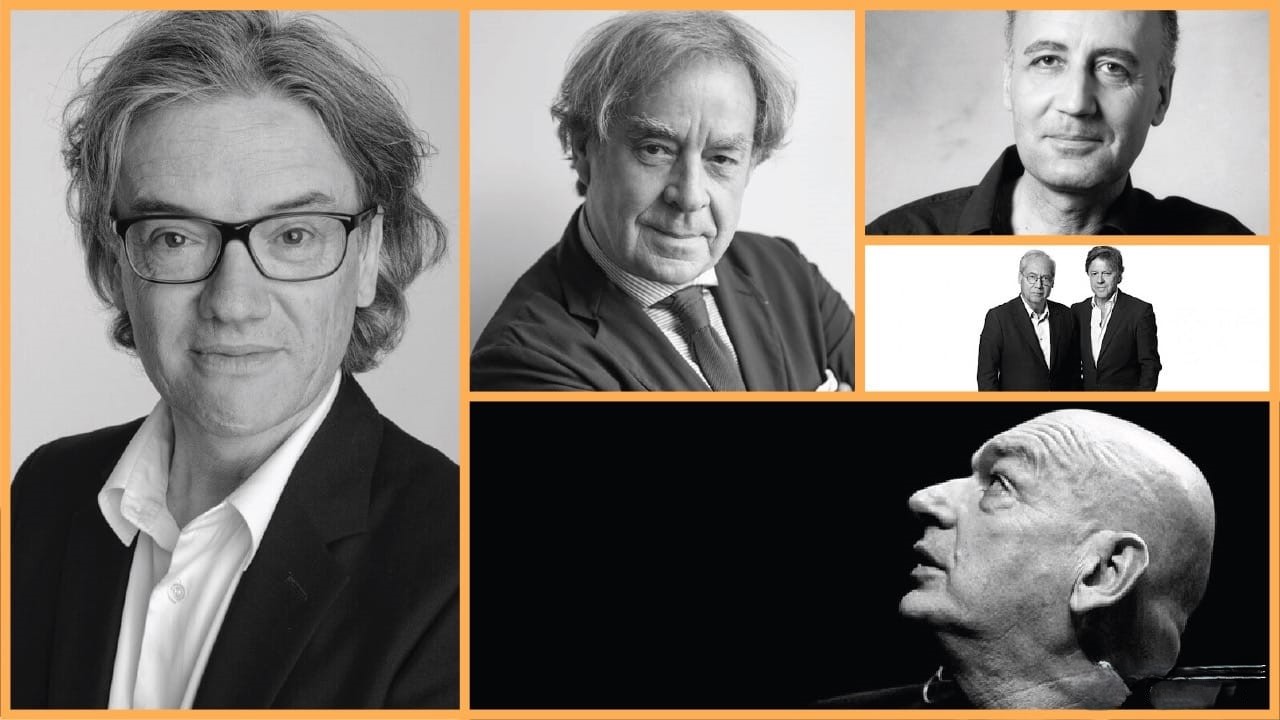
Famous French Architects: From Versailles To Modern Icons
When you stand in the centre of Paris, you are not just looking at a city; you are reading a biography of ambition written in stone, iron, and glass.
As an architectural designer, I have always seen France not merely as a country, but as a laboratory where the rules of gravity and aesthetics are constantly tested.
From the sun-drenched halls of Versailles to the stark, raw concrete of a brutalist housing block, French architecture is a dialogue between the past and the future.
This guide is not just a list of names; it is a curated journey through the minds of the visionaries who built a nation.
We will explore the masters who codified the Classical style, the rebels who forged the Iron Age, and the modern icons who are currently sculpting the skylines of the world.
Whether you are a student of design or a traveler seeking inspiration, understanding these famous French architectswill forever change the way you look at the built environment.
Key Takeaways: The Evolution Of French Design
- The Three Great Eras:French architecture is defined by three distinct revolutions: the Classical Grandeur of the 17th century (Versailles), the Industrial Iron Age of the 19th century (Eiffel Tower), and the Modernist Concrete movement of the 20th century (Le Corbusier).
- Innovation over Tradition:The most famous French architects, like Gustave Eiffel and Le Corbusier, were initially hated for their radical use of new materials (iron and reinforced concrete) that defied traditional aesthetics.
- Modern Masters: Today's icons, such as Jean Nouvel (Louvre Abu Dhabi), have moved away from rigid styles to focus on contextualism, designing buildings that manipulate light and adapt to their specific environment.
- The Machine for Living:Le Corbusier’s Five Points of Architecture remains the most influential theory in modern history, fundamentally changing how the world builds homes by prioritizing open floor plans and roof gardens.
The French Architectural Identity: A Timeline Of Audacity
To truly understand French architecture, one must view it as a relay race of radical ideas. It is rarely a story of quiet evolution; rather, it is a history of jolts.
One generation builds a monument to absolute order (like Versailles), and the next tears down the rulebook to build a tower of raw iron or a box of concrete.
As we move through these twenty visionaries, notice the pattern. Every single one of them was, at some point, considered a rebel. They did not just design buildings; they designed the future.
The Gothic & Renaissance Awakening (12th–16th Century)
Before the absolute order of Versailles, French architecture was defined by a spiritual verticality and, later, a humanist rebirth.
These architects were the first to move away from heavy Romanesque fortresses, inventing the French Style (Gothic) that would conquer Europe, before pivoting to import the symmetry of the Italian Renaissance.
Pierre De Montreuil (c. 1200–1267)
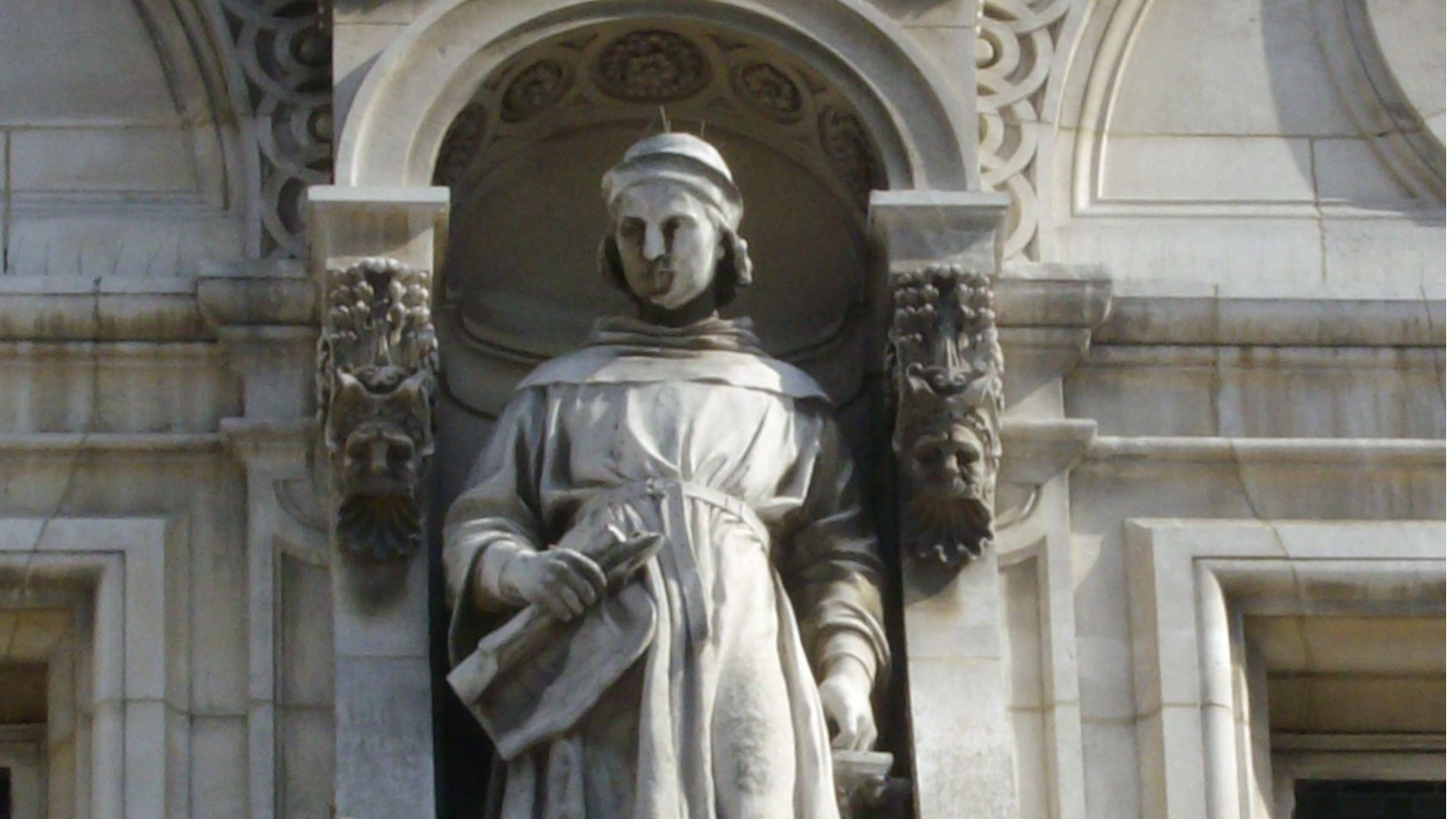
The Master of Rayonnant Gothic. If you have ever stood inside Sainte-Chapelleand felt like you were inside a jewelry box made of light, you have experienced Montreuil’s genius.
He is credited with refining the Rayonnant style, where walls essentially disappeared, replaced by massive sheets of stained glass held up by impossibly thin stone tracery. He was the architect of light, proving that stone could feel weightless.
Robert De Luzarches (c. 1180–1222)
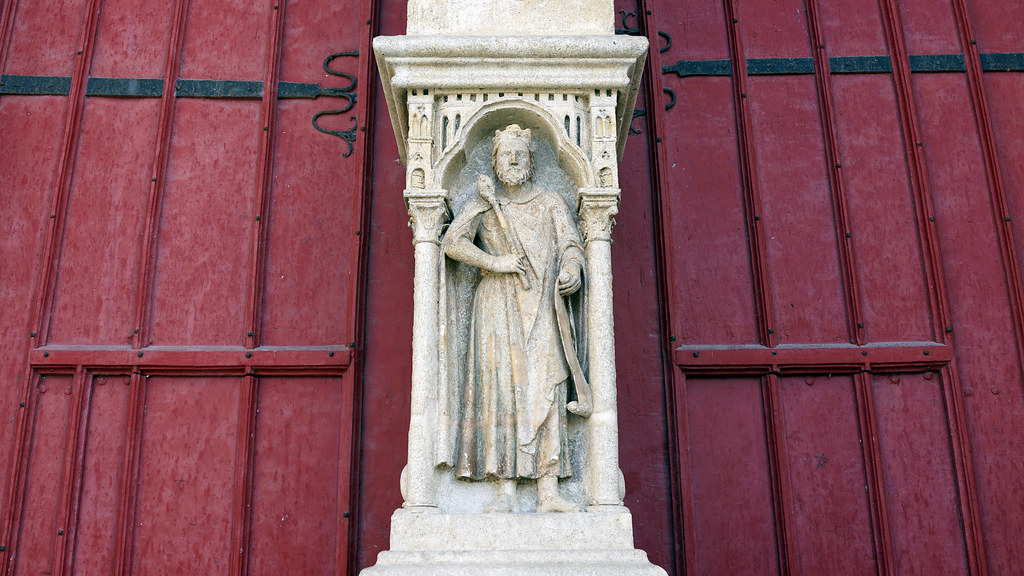
The Cathedral Builder. While many medieval architects remain anonymous, Luzarches is celebrated for the grandeur of Amiens Cathedral.
He established the standard for High Gothic scale, pushing the nave to dizzying heights. His work focused on the rhythm of the pillars and the logic of the vaulting, creating a space that was designed to pull the viewer's eyes and soul upward toward the heavens.
Philibert De L'Orme (1514–1570)
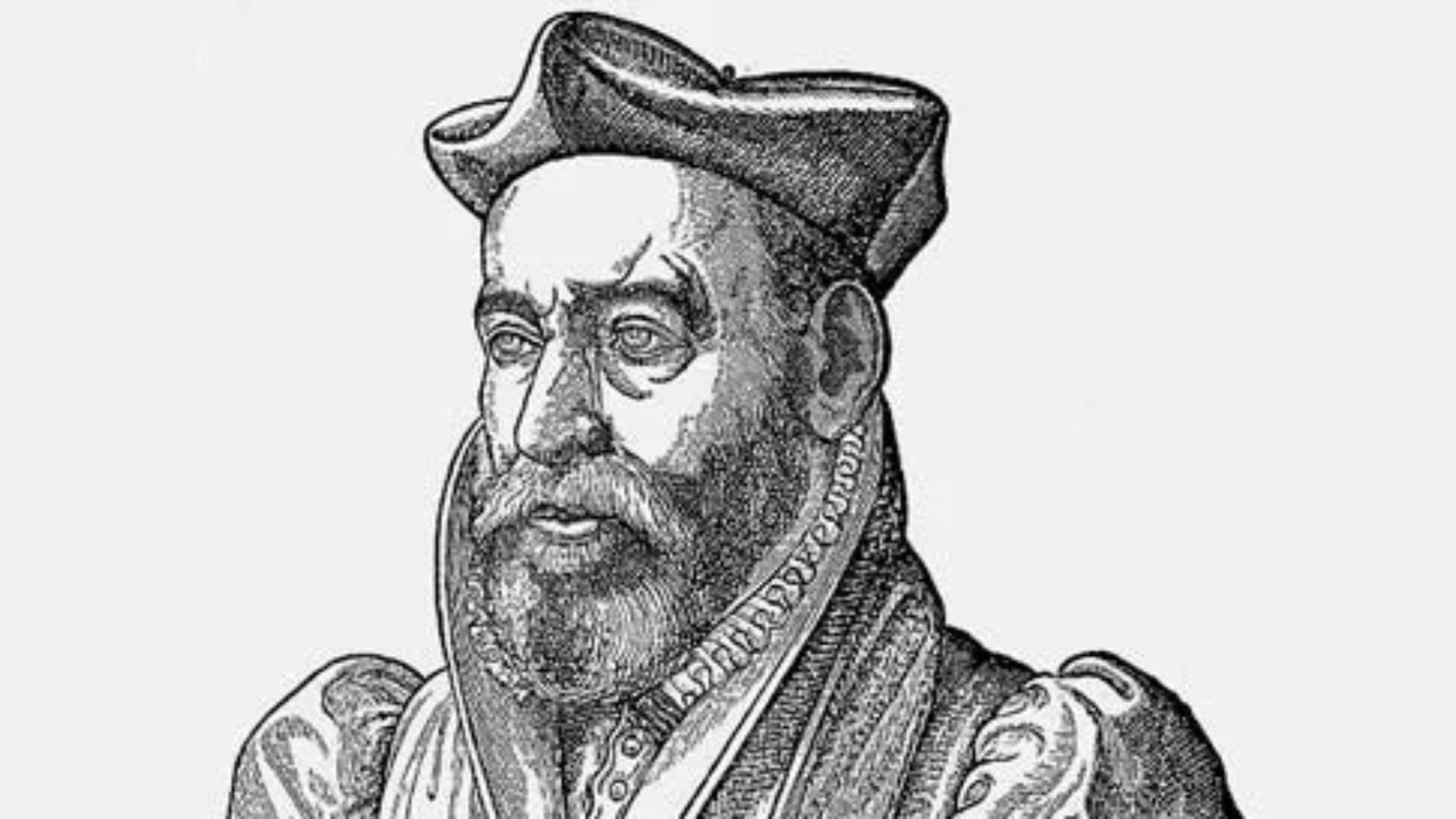
The Renaissance Intellectual. De l'Orme was not just a builder; he was a writer and a courtier who brought the Italian Renaissance to France but gave it a distinct French character. He worked on the Château de Fontainebleau and the Tuileries Palace.
He is famous for inventing the French order of columns (adorned with decorative bands) and for his complex, geometric staircases that treated stone cutting (stereotomy) as high art.
Pierre Lescot (1515–1578)
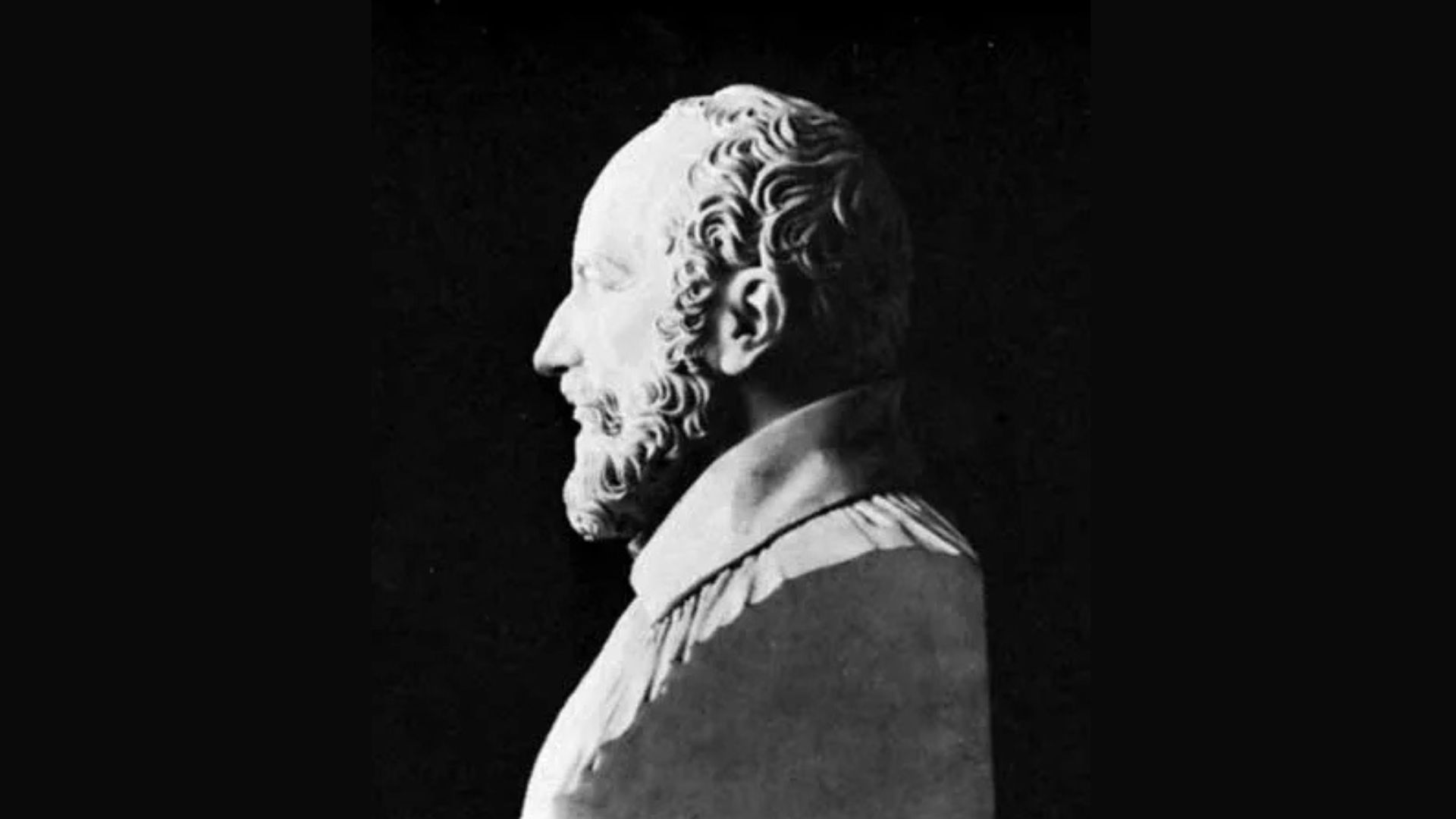
The Louvre’sFirst Architect. When Francis I decided to transform the Louvre from a medieval fortress into a royal palace, he hired Lescot.
The Lescot Wing of the Louvre is the oldest surviving part of the palace above ground. Lescot moved away from Gothic verticality to classical horizontal lines, using pilasters and pediments to create a facade of perfect, rhythmical balance that would set the standard for French classicism for centuries.
AnJean Bullt (1515–1578)
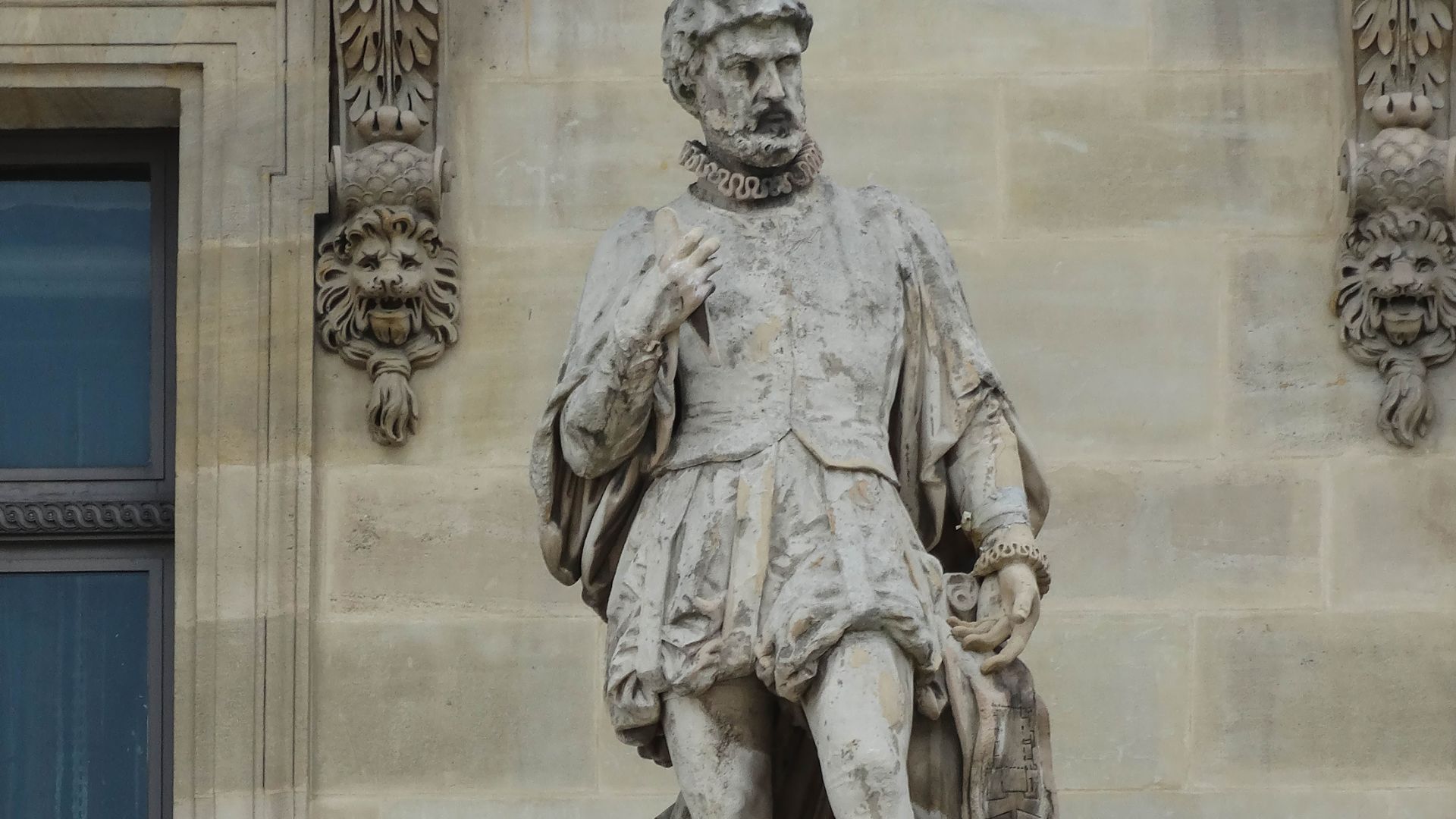
The Mannerist. A rival to de l'Orme, Bullant was known for his work at the Château d'Écouen and for the Constable of France.
He was fascinated by the monumental scale of Roman ruins. His style was bolder and heavier than Lescot's, often using colossal order columns that stretched up multiple stories to create a sense of overwhelming power and drama on a castle facade.
The Masters Of Stone & Iron (Pre-20th Century)
These are the giants who defined the Grand Manner of France, moving from the absolute monarchy's demand for opulence to the industrial revolution's demand for engineering might.
Jules Hardouin-Mansart (1646–1708)
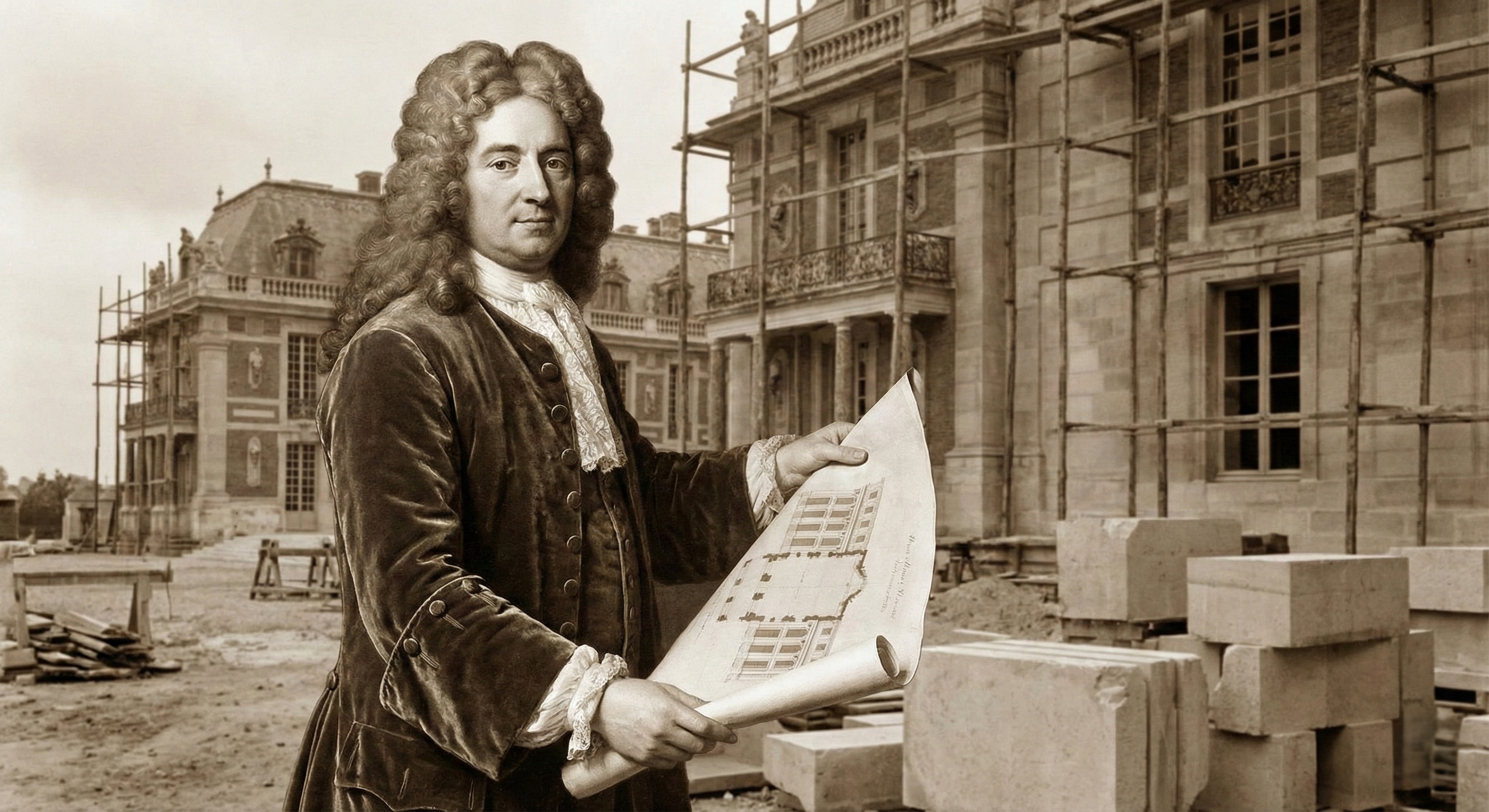
The Architect of Kings. Mansart is the reason we associate French Architecture with immense scale and gold leaf.
As the chief architect for Louis XIV, he expanded the Palace of Versailles, creating the Hall of Mirrors.
He perfected the Mansard roof (a double-sloped roof creating attic space), which defines the Paris skyline today. His work is about dominance and infinite perspective.
Eugène Viollet-le-Duc (1814–1879)
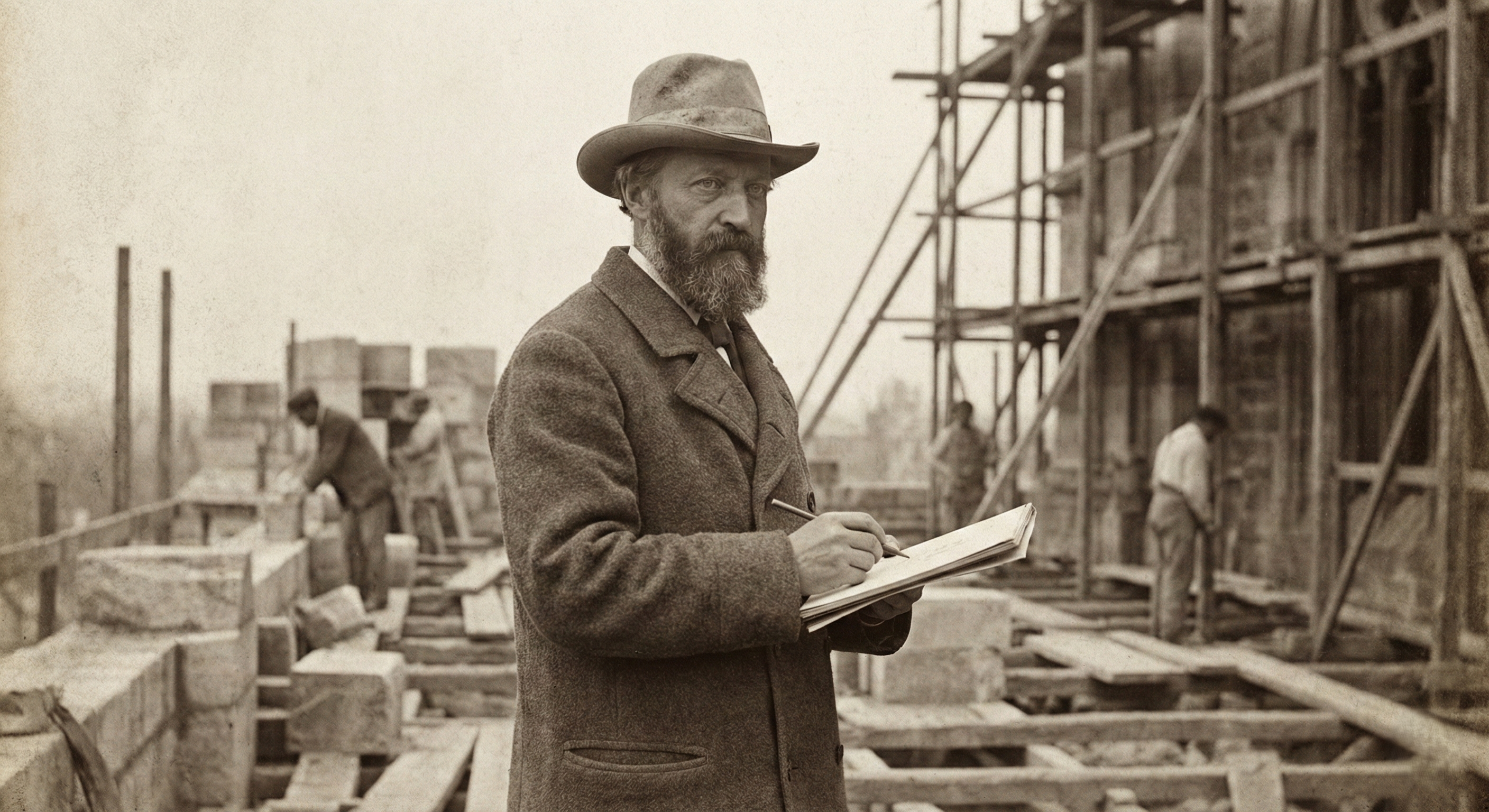
The Great Restorer. Without him, Notre-Dame de Paris might be a ruin. Viollet-le-Duc didn't just fix old buildings; he reimagined them. He believed in structural rationalism-that every arch and flying buttress had a job to do.
He famously added the gargoyles and the original spire to Notre-Dame, blending history with his own 19th-century vision of what Gothic should be.
Charles Garnier (1825–1898)
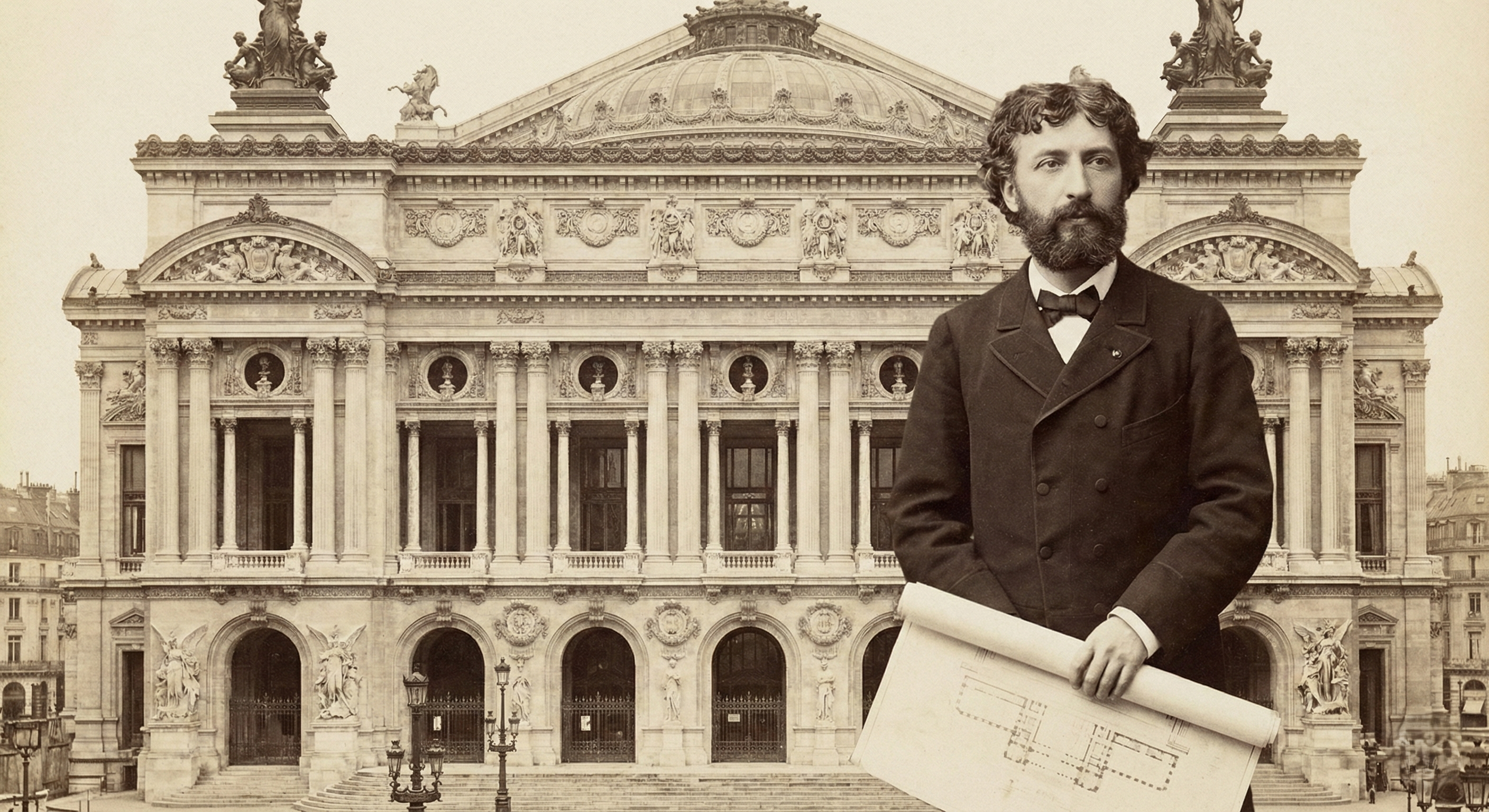
The Master of Opulence. If you walk into the Palais Garnier (Paris Opera), you are stepping into Charles Garnier's brain.
He mixed Baroque grandeur with Renaissance rhythms to create the Napoleon III style. His work is theatrical, dripping with marble, velvet, and gold.
He understood that going to the opera wasn't just about the music; it was about seeing and being seen on his magnificent Grand Staircase.
Claude-Nicolas Ledoux (1736–1806)
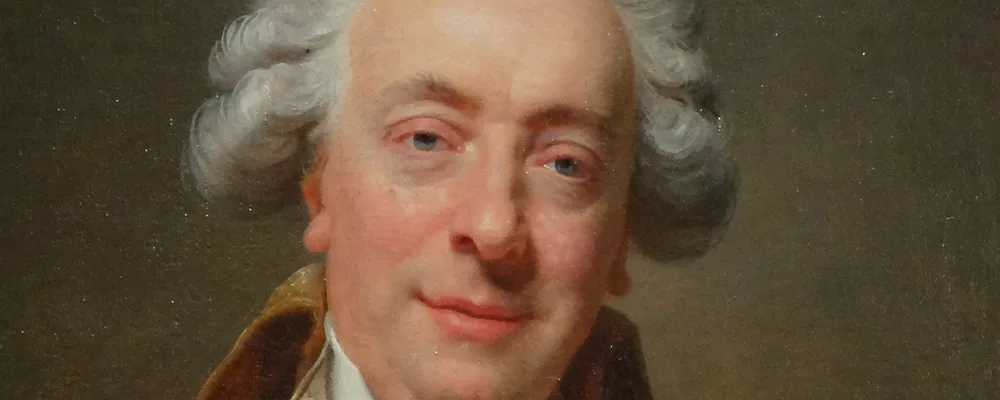
The Utopian Visionary. Ledoux was arguably the first modern architect, centuries ahead of his time.
He designed the Royal Saltworks at Arc-et-Senans, arranging buildings in a perfect semicircle to reflect a rational, ordered society. His visionary drawings often featured pure geometric spheres and cubes, influencing modernists like Le Corbusier over a century later.
Gustave Eiffel (1832–1923)
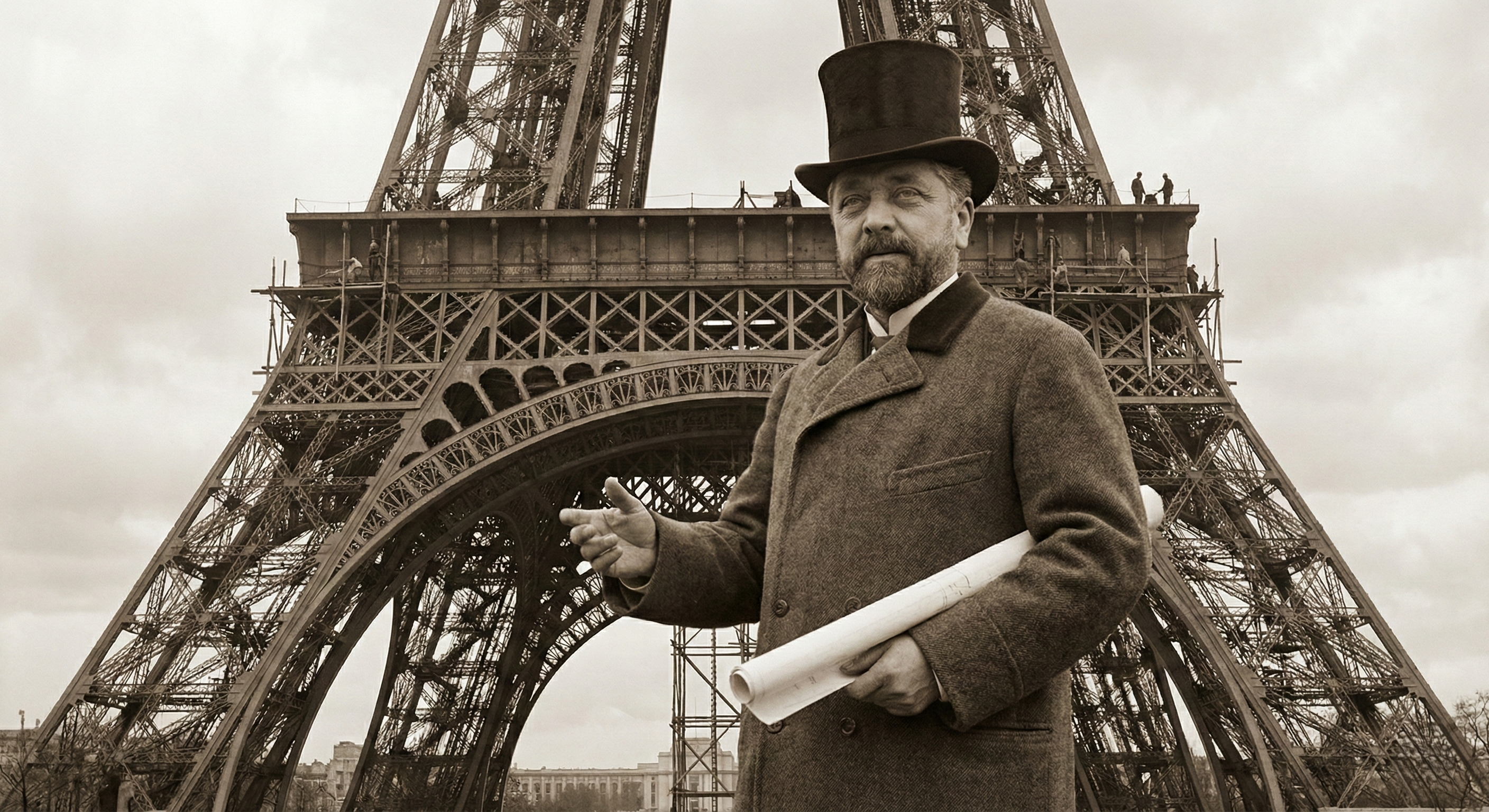
The Iron Magician. Originally a bridge builder, Eiffel proved that metal could be beautiful. The Eiffel Tower stripped away the stone facade to reveal the skeleton beneath.
He taught the world that a building’s beauty could come from its engineering-the wind resistance, the rivets, the trusses. He also designed the internal spine of the Statue of Liberty.
Neoclassicism & The Beaux-Arts Tradition (18th–19th Century)
Between the whimsy of the Baroque and the severity of Modernism lay a period of intellectual rigor.
These architects looked back to Greece and Rome not just for decoration, but for moral authority, establishing the Beaux-Arts discipline that would train architects from around the world.
Jacques-Germain Soufflot (1713–1780)
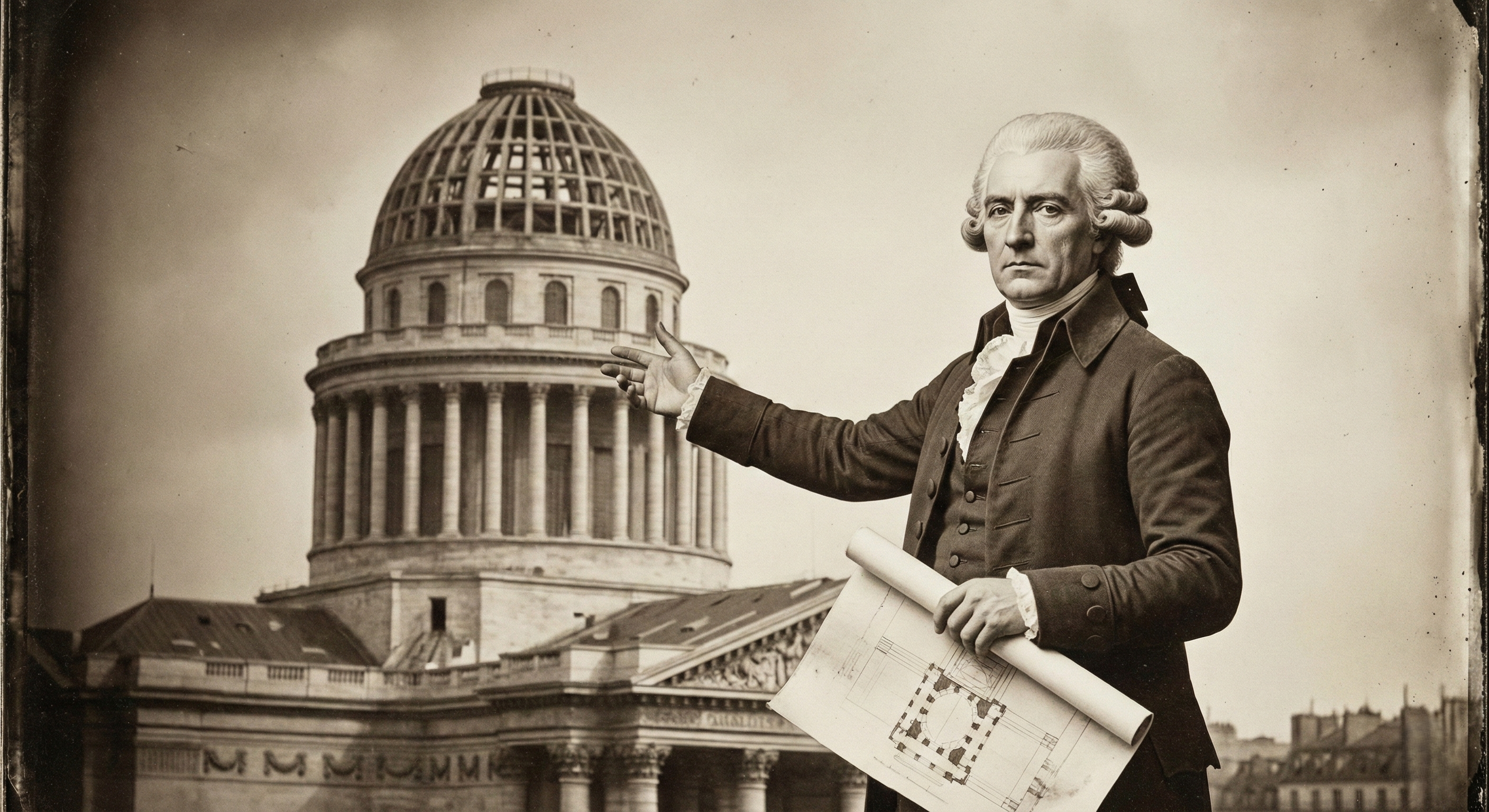
The Neoclassical Pioneer. Soufflot’s masterpiece, the Panthéon in Paris, was a radical attempt to combine the lightness of Gothic structure with the purity of Greek aesthetics.
He wanted the lightness of Gothic architects with the purity of Greek architecture. His use of a massive dome supported by slender columns was an engineering marvel that stressed the limits of stone masonry, symbolizing the Enlightenment's reliance on reason and logic.
Ange-Jacques Gabriel (1698–1782)
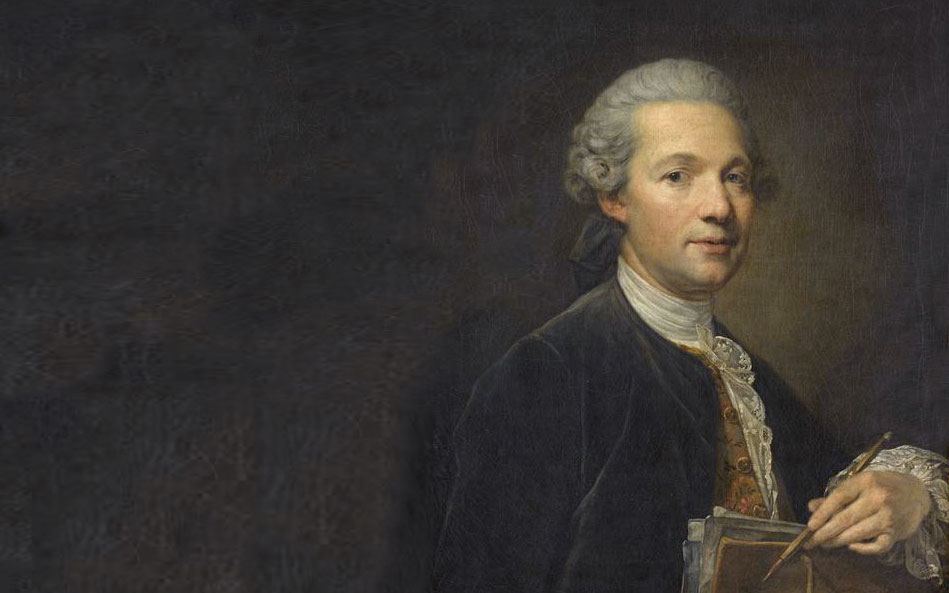
The King’s Rationalist. As the First Architect to Louis XV, Gabriel moved France away from the swirling excesses of the Rococo style toward a calm, noble simplicity.
He designed the Place de la Concorde and the Petit Trianon at Versailles. His work is the epitome of French elegance-perfect proportions, restraint, and a focus on harmony rather than ornamentation. He proved that a building didn't need to be busy to be beautiful.
Victor Louis (1731–1800)
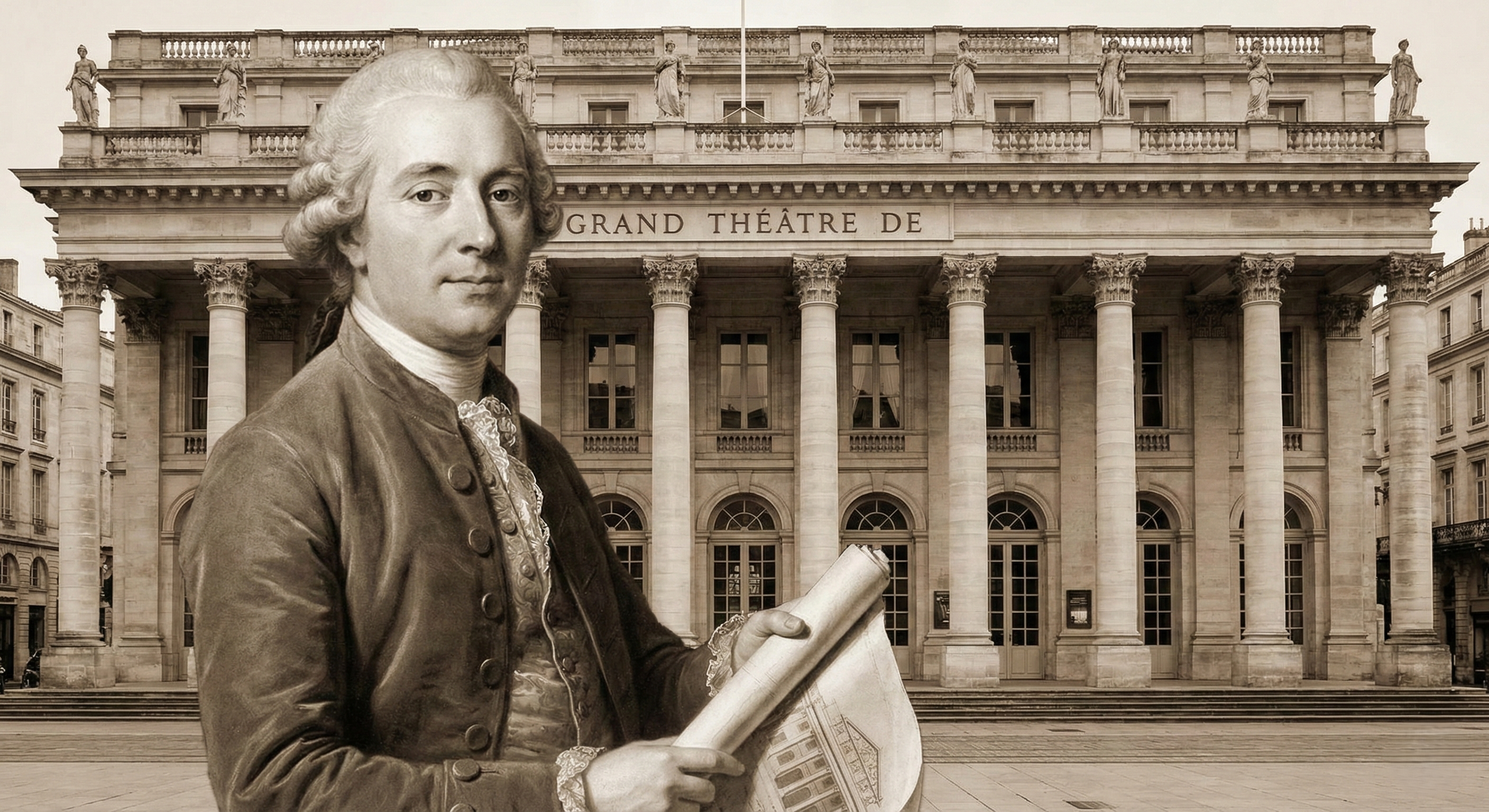
The Theater Master. Louis revolutionized theater design with the Grand Théâtre de Bordeaux. Before him, theaters were often temporary or cramped halls.
He created a monumental, freestanding temple to the arts with a massive colonnade and a grand, open atrium. His design for the staircase directly influenced Charles Garnier’s later Paris Opera, establishing the theater as a central civic monument.
Jacques Ignace Hittorff (1792–1867)
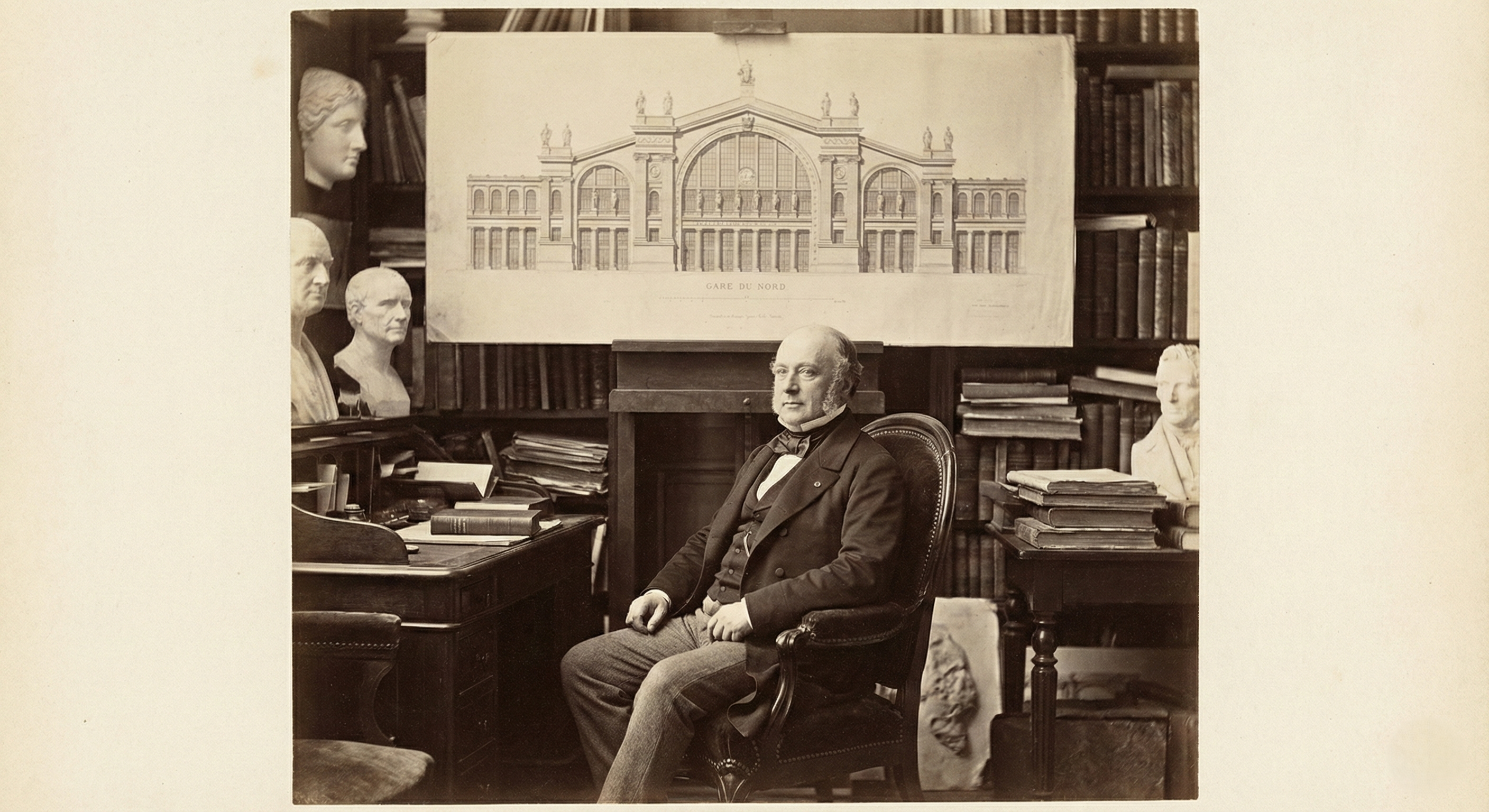
The Polychrome Provocateur. Hittorff was a key figure in the 19th century who shocked the establishment by arguing that ancient Greek temples were originally painted in bright colors, not white.
He applied this love of decoration to the Gare du Nord, turning a train station into a modern temple. He mixed classical statues with industrial iron trusses, helping to birth the Beaux-Arts style that blended art with the emerging industrial age.
Henri Sauvage (1873–1932)
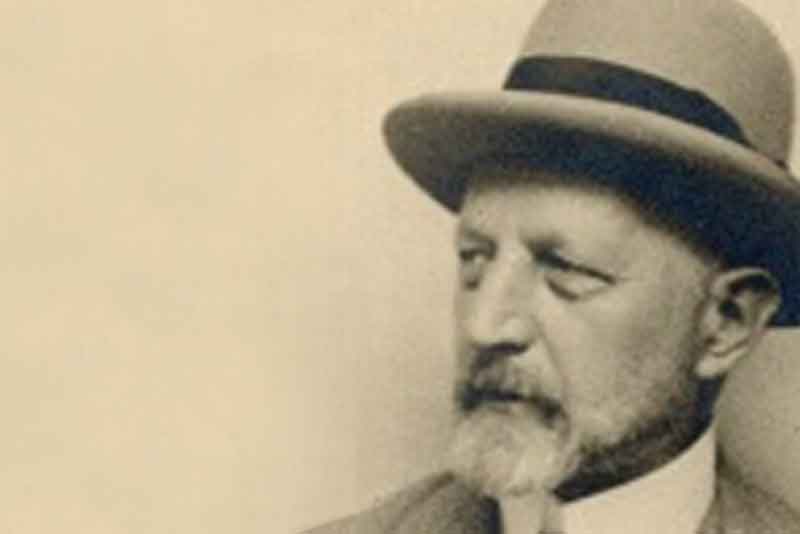
The Art Deco Transitionalist. Bridging the gap between Art Nouveau and Modernism, Sauvage is famous for the La Samaritaine department store (renovated recently) and his stepped apartment buildings.
He covered his buildings in white ceramic tiles (for hygiene and light reflection) and experimented with setbacks to allow more light into the streets, foreshadowing the zoning laws that would shape modern cities.
The Pioneers Of Modernism (20th Century)
In the 20th century, these architects stripped away the decoration. They embraced concrete, glass, and steel to create a New Objectivity for a modern, mechanized world.
Le Corbusier (1887–1965)
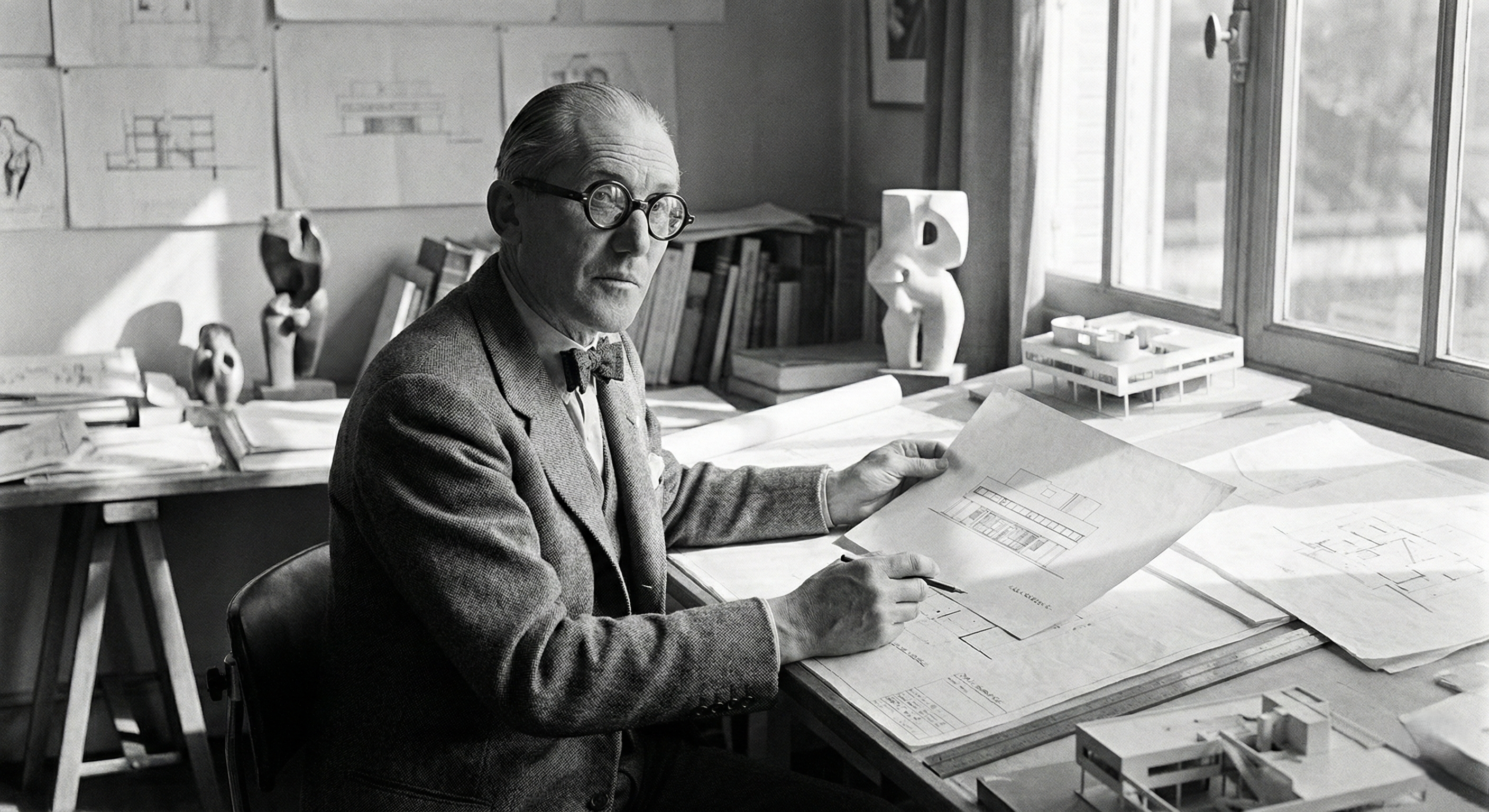
The Modernist God. Born Charles-Édouard Jeanneret, he is the most influential architect of the modern era.
He developed the Five Points of Architecture seen in the Villa Savoye and championed Brutalismwith the Unité d'Habitation. He sought to purify architecture, removing all clutter to create efficient machines for living.
Auguste Perret (1874–1954)
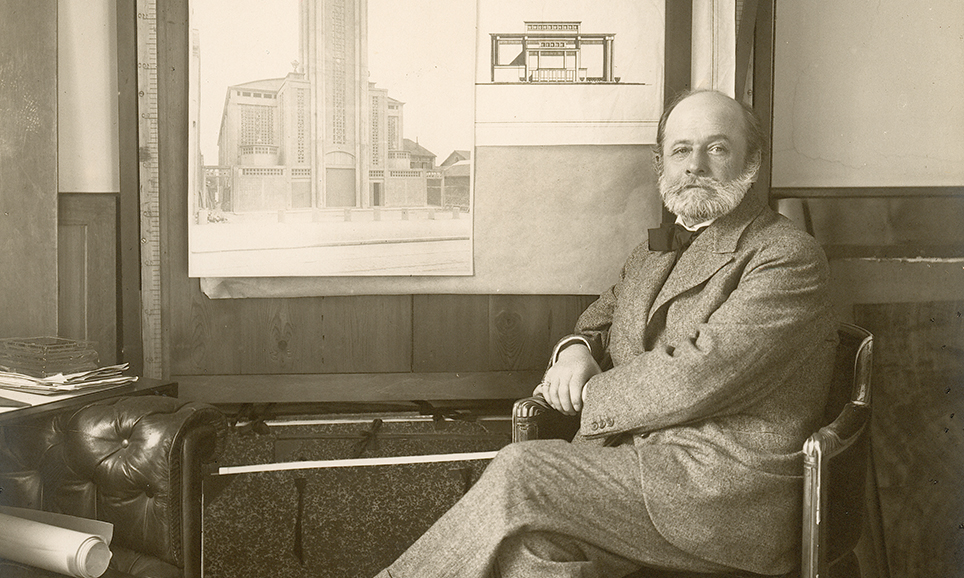
The Poet of Concrete. Before Perret, concrete was hidden in foundations. Perret brought it out into the light. He rebuilt the city of Le Havre after WWII entirely in reinforced concrete, proving the material could be elegant and classical.
His Théâtre des Champs-Élysées was a shock to Paris-a concrete frame dressed up in marble, blending structure with art.
Hector Guimard (1867–1942)
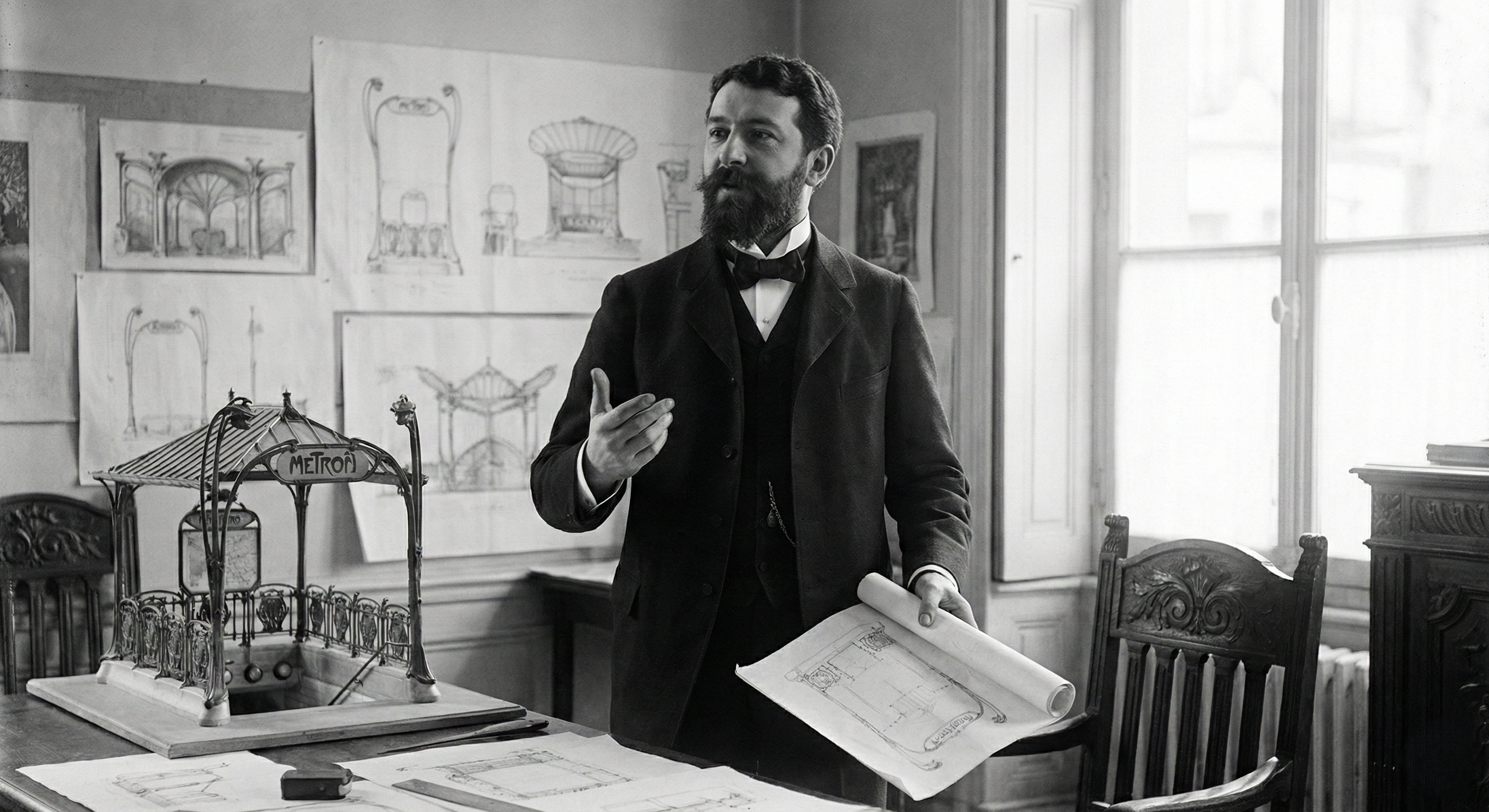
The Art Nouveau Icon. Guimard is the reason the Paris Metro entrances look like alien plants. He rejected the straight lines of the academy for the whiplash curves of nature.
His work uses iron and glass to mimic vines, flowers, and organic growth, creating a dreamlike, flowing aesthetic that defined the Art Nouveau movement.
Robert Mallet-Stevens (1886–1945)
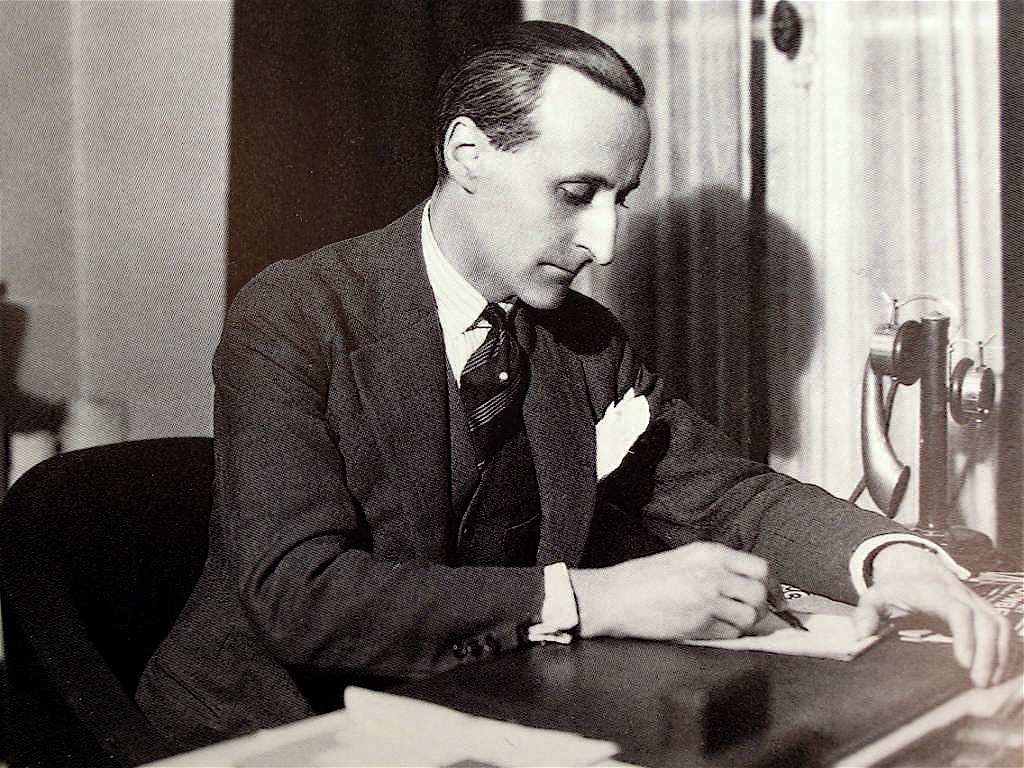
The Cubist Designer. While Le Corbusier was writing manifestos, Mallet-Stevens was designing film sets and luxury villas.
His work, like the Villa Noailles, is pure geometry. Cubes, rectangles, and smooth white surfaces. He brought a cinematic, Art Deco sleekness to modern architecture, focusing on light and shadow rather than industrial grit.
Jean Prouvé (1901–1984)
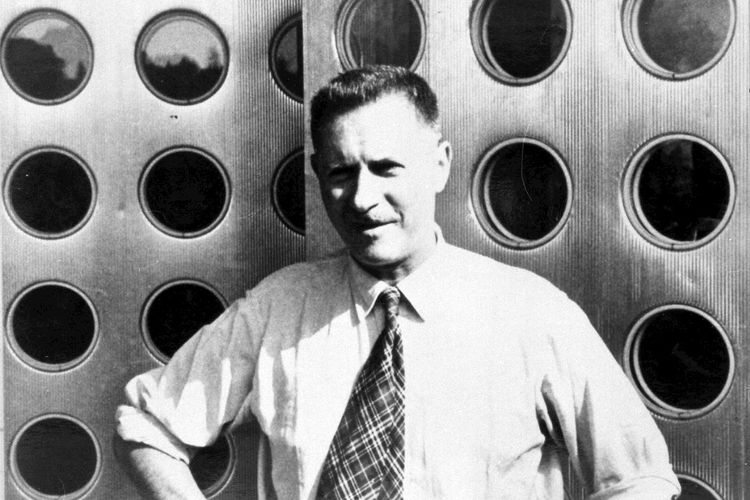
The Industrial Humanist. Prouvé was a metalworker who became an architect. He pioneered prefabrication, designing houses that could be shipped in kits and assembled by a few men.
His Maison Tropicale and standard chairs are icons of efficiency. He believed good design should be accessible to everyone, not just the wealthy.
The Women Redefining The Skyline
For decades, French architecture was a boys' club. These five women shattered that ceiling, bringing radical textures, social consciousness, and sustainable innovation to the forefront.
Odile Decq (b. 1955)
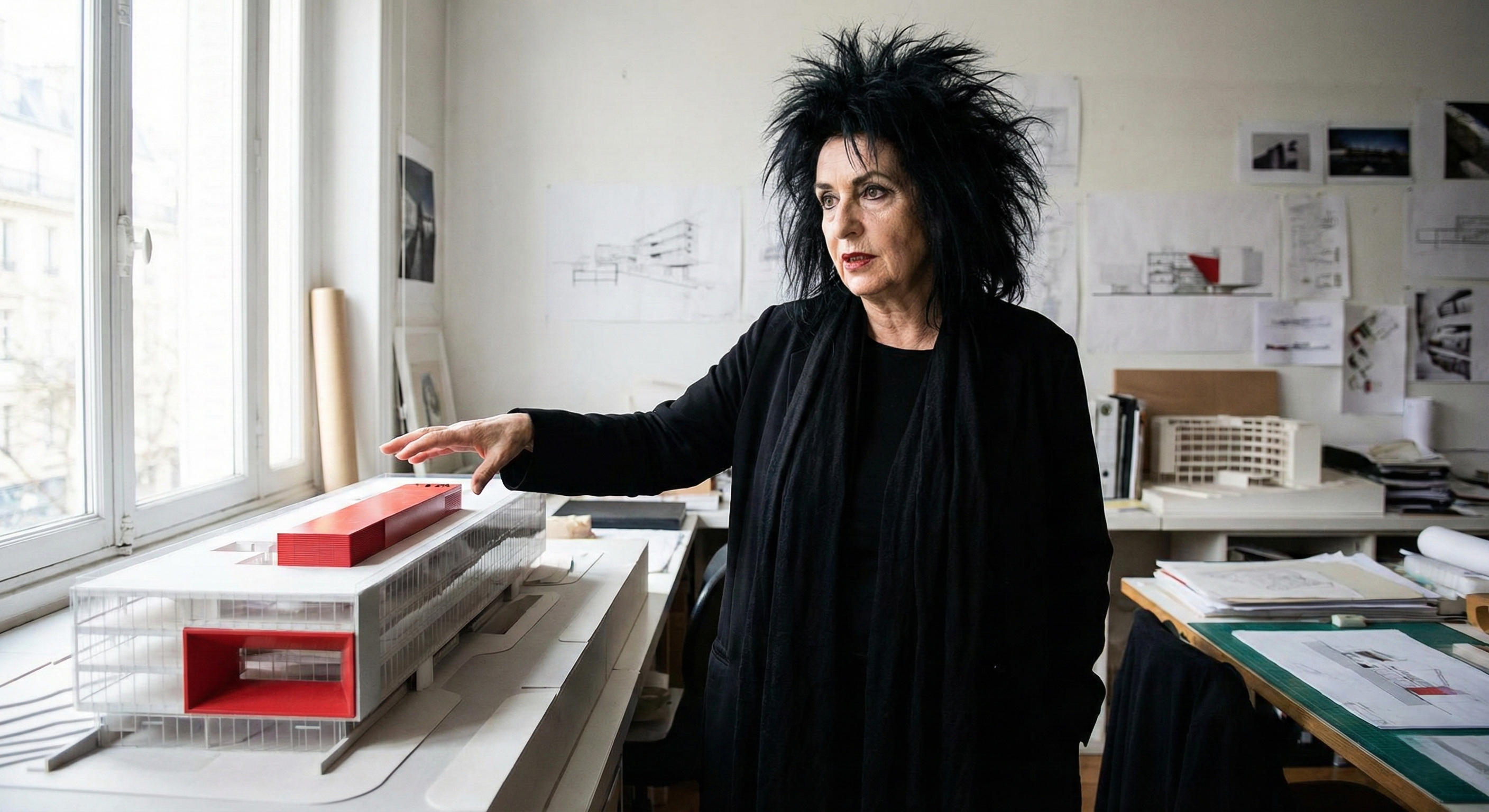
The Goth Punk. With her signature black attire, Decq is a rebel. Her Phantom Restaurant in the Opera Garnier is a biomorphic red blob floating inside a historic monument-a perfect clash of punk rock and classical history. She advocates for dynamic instability, creating spaces that feel like they are moving.
Anne Lacaton (b. 1955)

The Pritzker Winner. Half of the duo Lacaton & Vassal, she won the Pritzker Prize in 2021. Her philosophy is Never demolish, never remove or replace, always add, transform, and reuse.
Her renovation of the Grand Parc Bordeaux social housing proved that you can transform lives by expanding existing buildings with winter gardens, rather than tearing them down.
Manuelle Gautrand (b. 1961)

The Colorist. Gautrand refuses to build boring grey boxes. Her Citroën Showroom (C42) on the Champs-Élysées is famous for its faceted, origami-like glass facade that glows with red light.
She brings bold color and sculpture back into the city, treating buildings as urban landmarks that should evoke joy.
Charlotte Perriand (1903–1999)
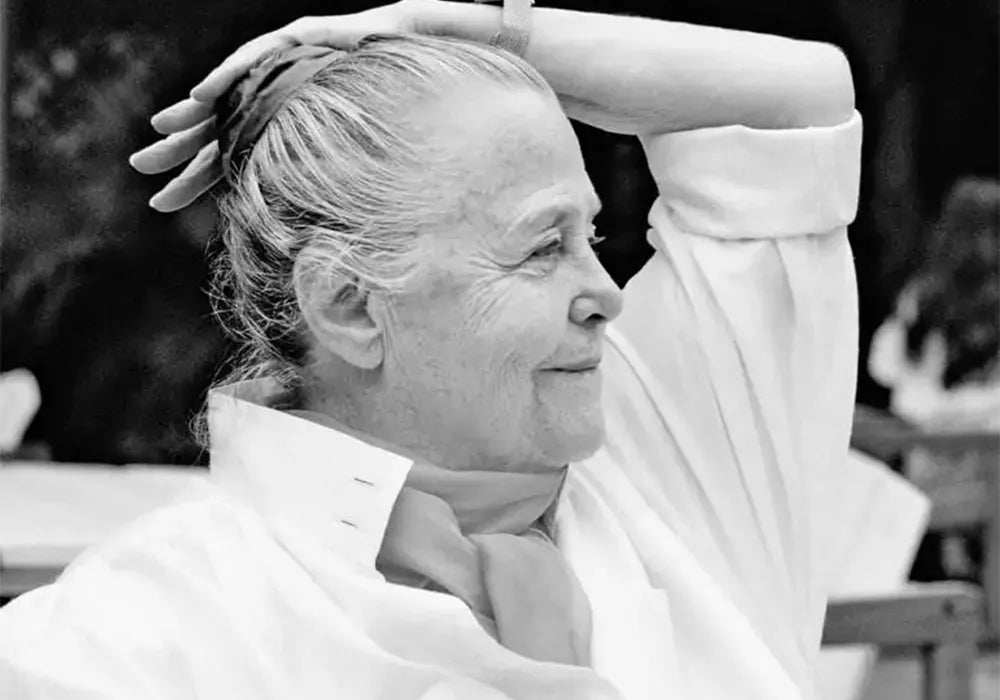
The Interior Architect. Often overshadowed by her collaborator Le Corbusier, Perriand was the genius behind the interiors that made modernism livable.
She designed the famous LC4 Chaise Longue. Later, she designed the Les Arcs ski resort, creating massive buildings that stepped down the mountainside, harmonizing density with the alpine landscape.
Renée Gailhoustet (1929–2023)
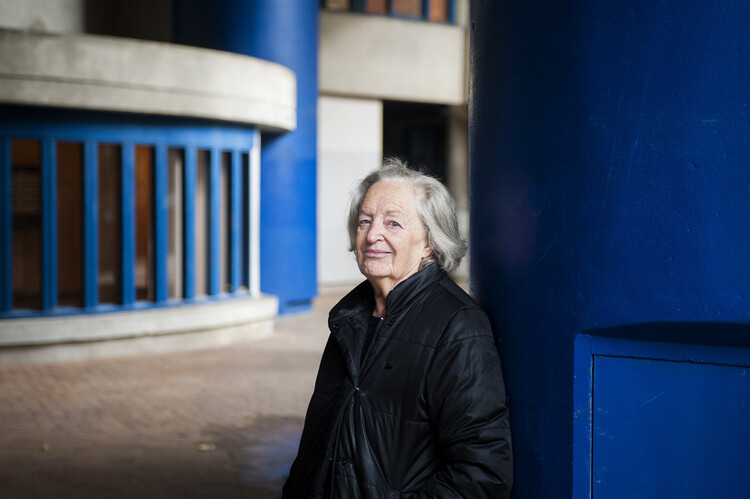
The Social Terracer. Gailhoustet hated the high-rise tower blocks of the suburbs. In Ivry-sur-Seine, she invented a new type of social housing. Complex, terraced hills of concrete where every apartment had its own garden. She proved that density didn't have to mean living in a pigeonhole; it could be lush, green, and communal.
The Contemporary Avant-Garde & High-Tech Masters
These are the current titans-the global superstars exporting French design to Abu Dhabi, Beijing, and New York, often using high-tech engineering to achieve the impossible.
French architectural influence doesn’t stop at skylines,it also shapes the interiors and restorations that define lived luxury.
A strong contemporary example is interior architect Jacques Garcia, known for major Paris hospitality projects and for restoring the Château du Champ-de-Bataille; if you’re curious about the business side of a French design career, see Jacques Garcia’s fortune.
Jean Nouvel (b. 1945)
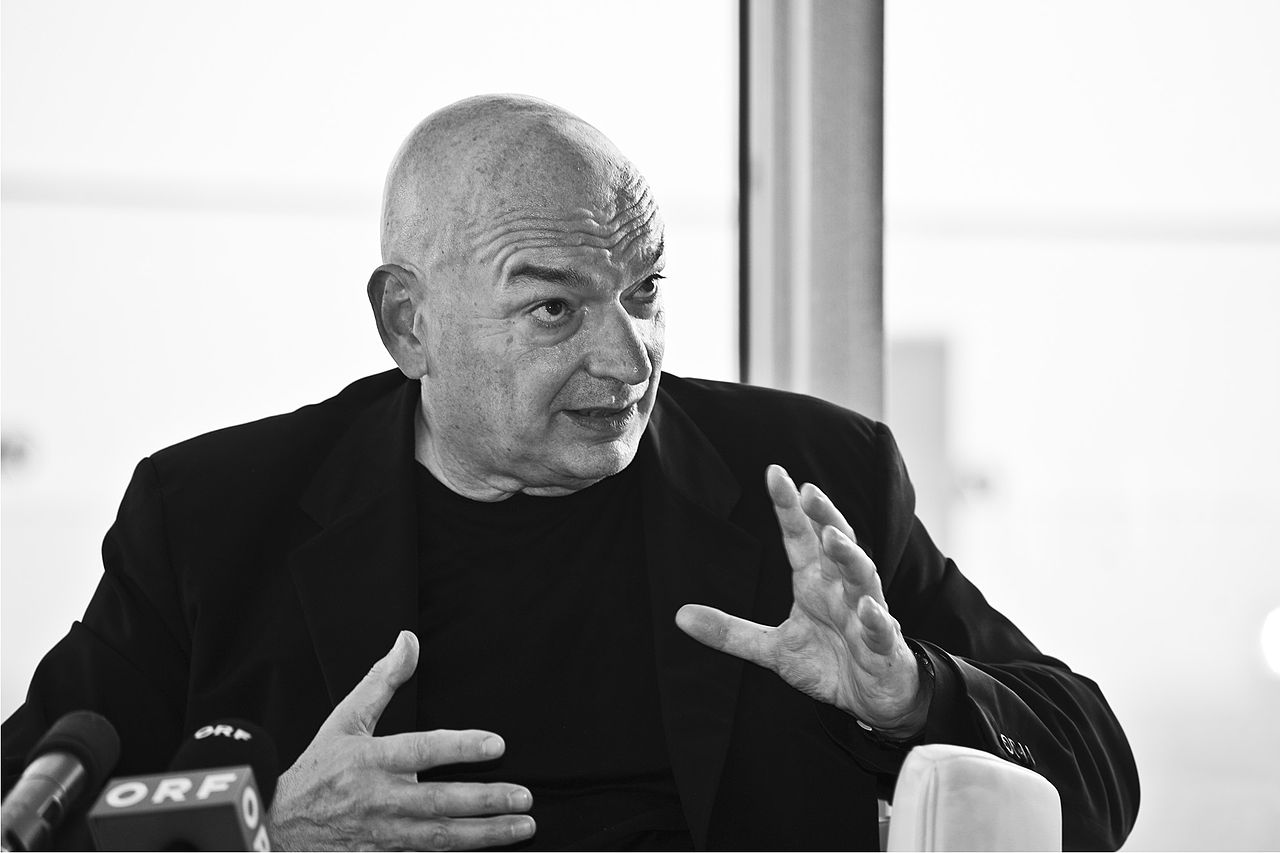
The Contextualist. Nouvel changes his style for every building. For the Arab World Institute in Paris, he created a high-tech facade of mechanical camera shutters that open and close to control light.
For the Louvre Abu Dhabi, he created a massive floating dome. He is a master of light, transparency, and dematerialization.
Christian De Portzamparc (b. 1944)
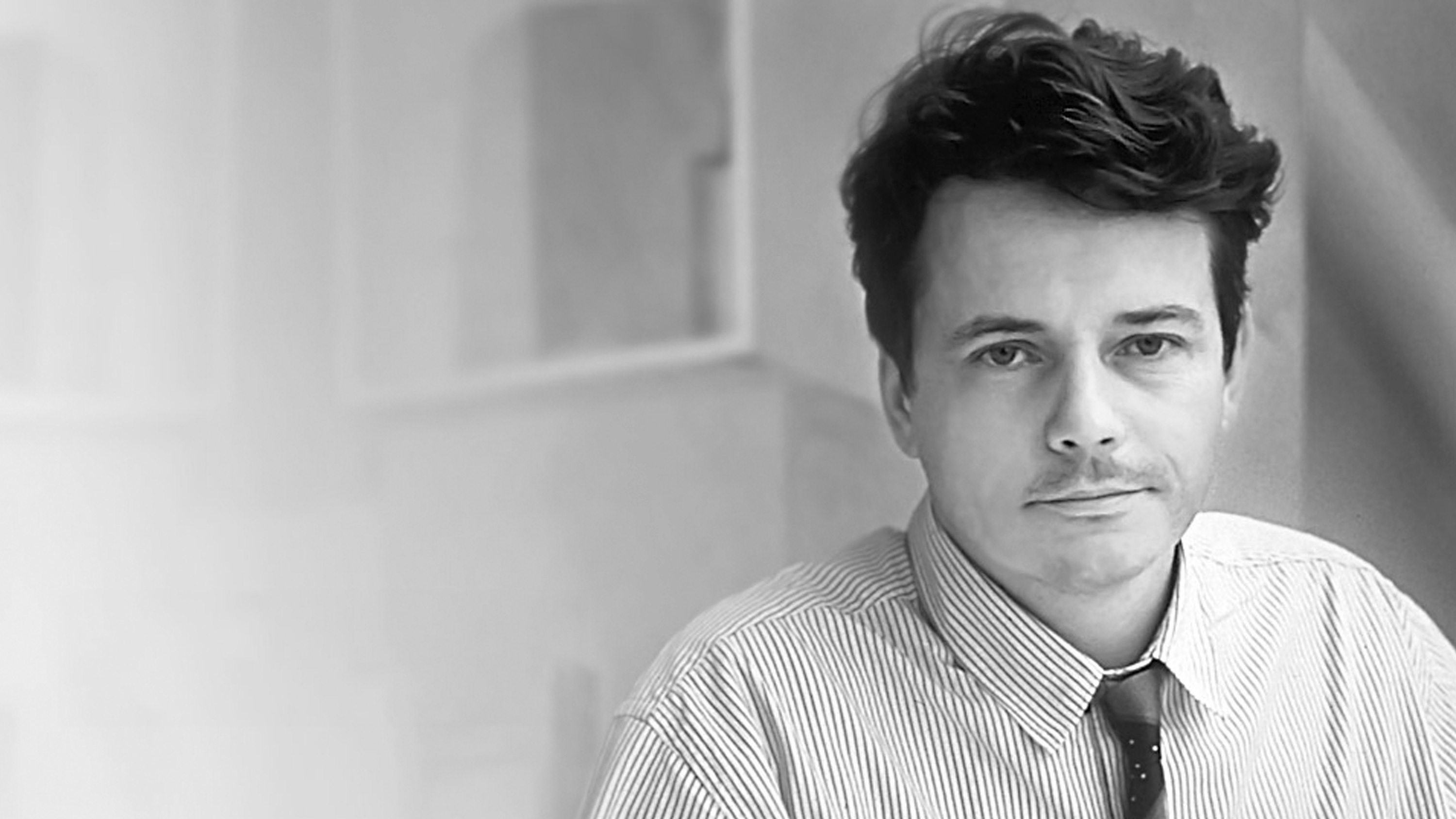
The Urban Sculptor. The first French Pritzker winner, Portzamparc, designs open blocks. He fragments large buildings so they don't feel like walls.
His Cité de la Musiquein Paris is a playful collection of shapes-cones, spirals, and voids-that invite you to walk through them, not just look at them.
Dominique Perrault (b. 1953)
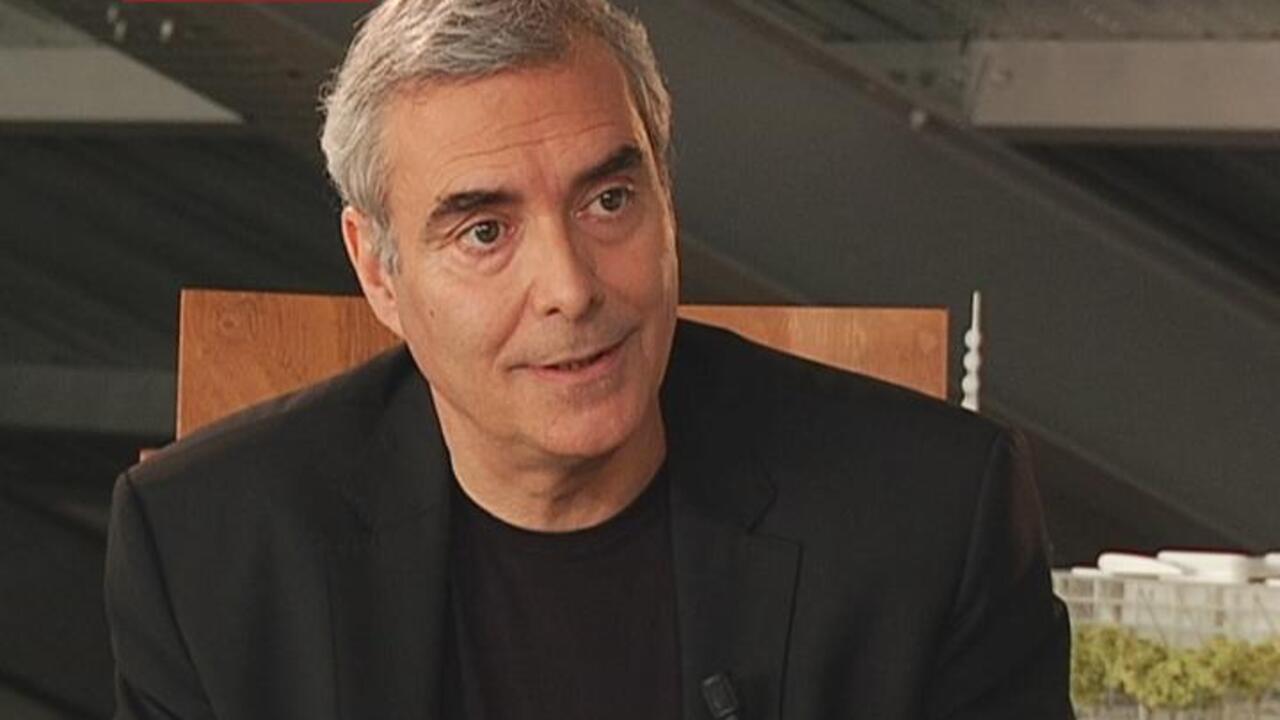
The Minimalist. Perrault gained fame by burying architecture. For the French National Library, he built four glass towers (shaped like open books) around a sunken forest, hiding the reading rooms underground.
He uses industrial metal mesh as fabric to drape buildings, creating ghostly, shimmering silhouettes.
Paul Andreu (1938–2018)
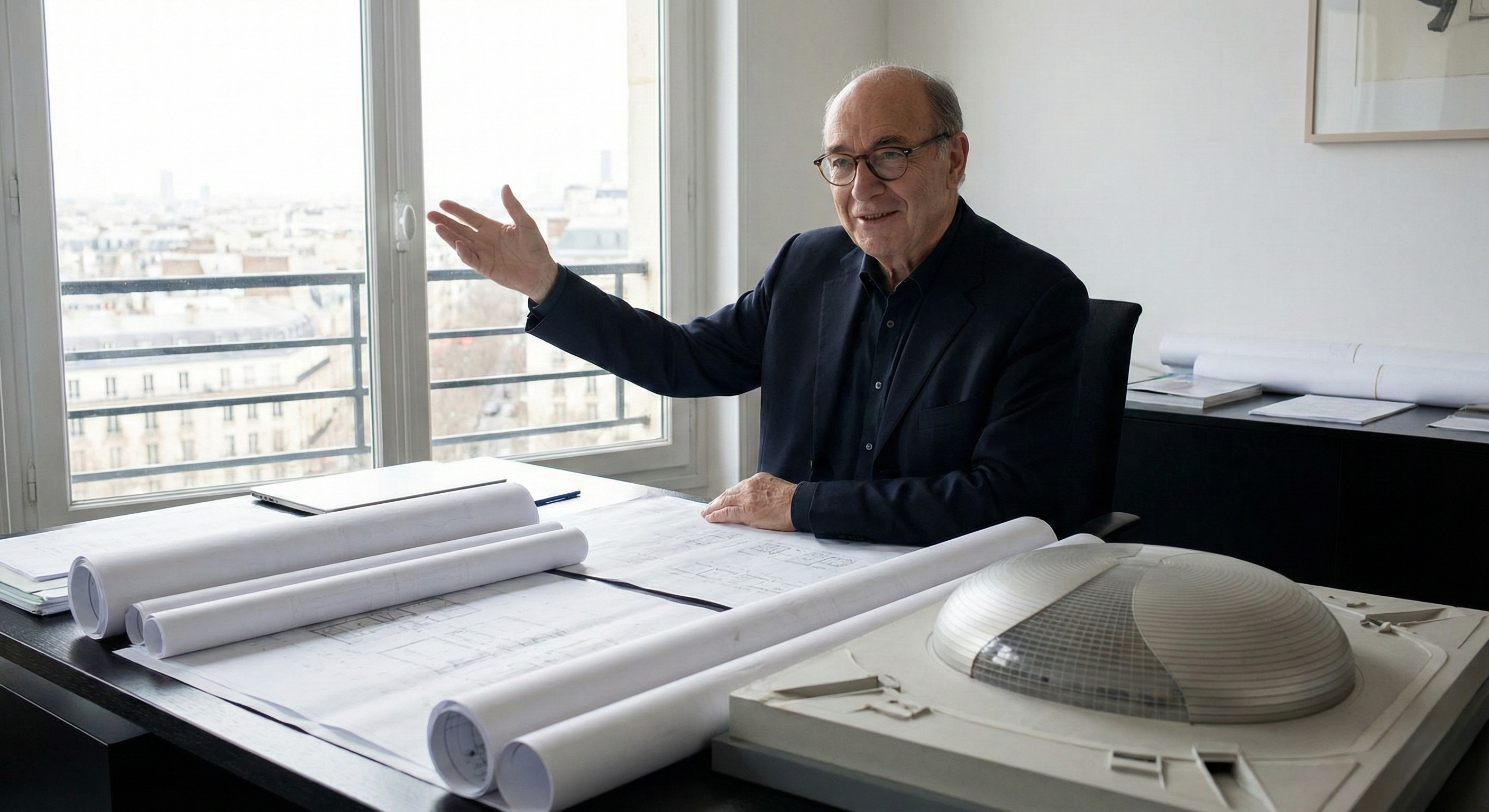
The Airport King. If you have flown through Charles de Gaulle Terminal 1 (the octopus) or the Beijing National Grand Theater (the giant titanium egg), you know Andreu.
He specialized in massive concrete transportation hubs, turning airports from boring bus stops into futuristic cathedrals of travel.
Rudy Ricciotti (b. 1952)
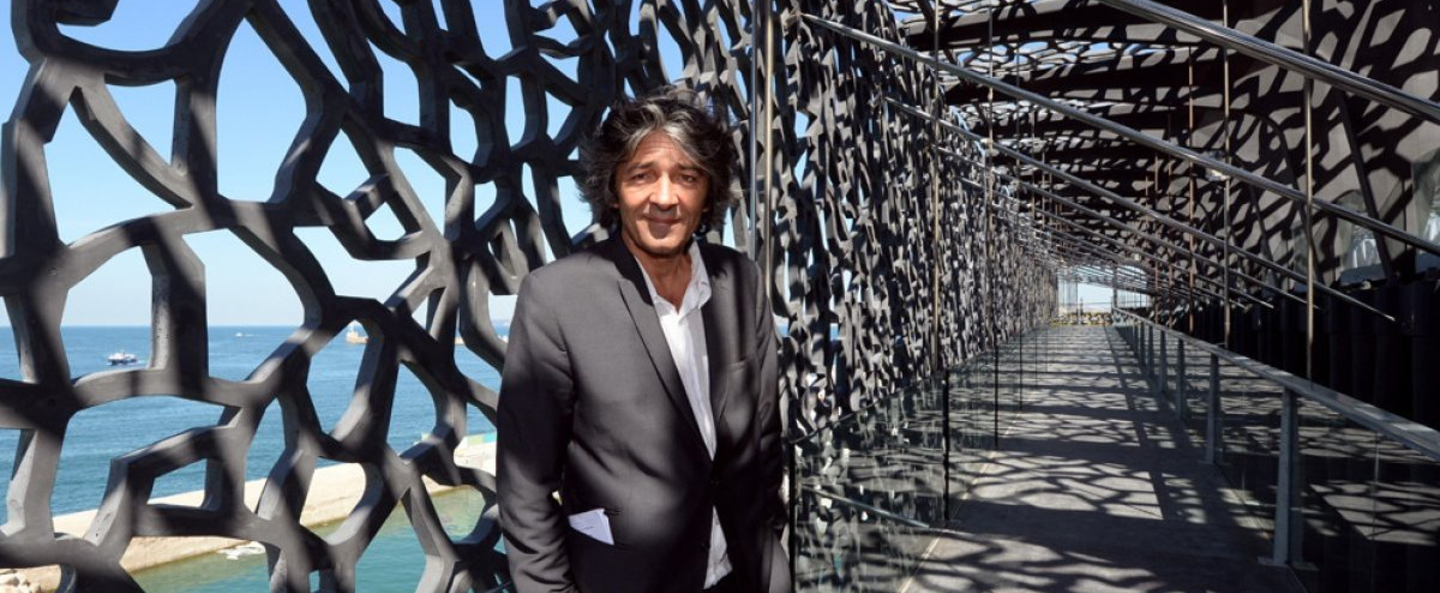
The Concrete Poet. Ricciotti fights against the minimalist trend. He loves texture. His masterpiece, the MuCEM in Marseille, is a dark concrete cube wrapped in a delicate lace of concrete.
It looks like a fishing net cast over the building, filtering the Mediterranean sun into beautiful, complex shadows.
From History To Horizon: The Living Legacy Of French Design
As we look back at these twenty titans, a clear pattern emerges. French architecture has never been about playing it safe.
It is a history written by those willing to risk ridicule-remember, the Eiffel Tower was once dismissed as a tragic street lamp-to push the boundaries of physics and taste.
From Mansart’s calculated grandeur to Le Corbusier’s concrete utopias and Nouvel’s light-filled theaters, the common thread is audacity.
But the conversation is changing. The star architect era of massive, ego-driven monuments is evolving into something more thoughtful.
Today, the torch has passed to a generation focused less on conquering nature and more on harmonizing with it. With figures like Anne Lacaton championing the never demolish philosophy, the future of French design is not just about building new icons, but about healing our existing cities.
As you explore these structures, whether in the streets of Paris or through the pages of a book, remember that you are not just looking at buildings. You are witnessing a centuries-long argument about how we should live, work, and dream together.
Frequently Asked Questions
Who Is The Most Famous Architect In France?
Often, Le Corbusier is named because his ideas shaped global modernism, and his works have UNESCO recognition.
Who Was The Famous Architect Of Paris?
Paris has many. For landmark authorship: Charles Garnier (Palais Garnier), Hector Guimard (Métro entrances), and Le Corbusier (Maison La Roche).
What Are The Famous French Architects And Their Works?
A reliable short list includes Soufflot (Panthéon), Garnier (Palais Garnier), Guimard (Métro entrances), Le Corbusier (Villa Savoye / Maison La Roche), Nouvel (Institut du Monde Arabe), and Perrault (BnF).
Who Are The Famous French Architects Of The 21st Century?
Contemporary famous names commonly include Jean Nouvel and the Pritzker-winning duo Anne Lacaton and Jean-Philippe Vassal.
Who Are The Famous French Architects Of The 20th Century?
Le Corbusier and Auguste Perret are central because they shaped modern architecture through concrete, structure, and new spatial rules.
What Is The Most Famous French Architecture?
There isn’t one, but Paris icons often cited in architectural history include the Panthéon (Neoclassicism) and Palais Garnier (Beaux-Arts).
Why Is Le Corbusier Controversial?
Because debates persist about his political positions and writings alongside his architectural influence, both the Fondation and scholars address these controversies directly.
Was Le Corbusier A Nudist?
There’s no solid biographical consensus that he was a nudist. Major bios note his swimming habits and death while swimming, which can fuel myths.
What Are The 5 Rules Of Le Corbusier?
The Five Points are: pilotis, roof garden, free plan, ribbon windows, and free façade-explained in Villa Savoye’s official interpretation.
What Makes The Panthéon In Paris Architecturally Important?
Britannica describes it as a key Neoclassical work begun by Soufflot, exemplifying a logical use of classical elements and later civic meaning.
Why Are Guimard’s Métro Entrances So Famous?
Because they popularized Art Nouveau at the city scale-iron-and-glass entrances that made transit infrastructure a recognizable Paris signature.
Why Do Architects Care About Labrouste?
Because he helped legitimize iron-frame construction as architecture, not just engineering, especially visible in Paris library design.
Why Is The BnF François-Mitterrand Building Famous?
The BnF describes it as a major modern expansion, defined by four angular towers symbolizing open books and a minimalist architectural approach.
Why Did Jean Nouvel Win The Pritzker Prize?
The Pritzker profile recognizes his body of work and international impact, citing projects including the Institut du Monde Arabe in Paris.
Who Is A Famous French Woman Architect?
Anne Lacaton (with Jean-Philippe Vassal) is a prominent example as a 2021 Pritzker laureate; Odile Decq is another widely recognized contemporary figure.
Conclusion
French architecture is not a static museum exhibit; it is a living, breathing argument about how we should live.
From Mansart’s calculated grandeur to Le Corbusier’s concrete utopias and Nouvel’s light-filled theaters, the common thread is audacity.
As a designer, what I respect most is their willingness to risk failure. Eiffel risked humiliation with his tower; Perrault risked function for form with his glass library.
But without these risks, our cities would be boring. When you look at French architecture, remember: you are seeing the result of minds that refused to accept the world as it was, and instead, built the world as they dreamed it could be.
Jump to
Famous French Architects: From Versailles To Modern Icons
The French Architectural Identity: A Timeline Of Audacity
The Gothic & Renaissance Awakening (12th–16th Century)
The Masters Of Stone & Iron (Pre-20th Century)
Neoclassicism & The Beaux-Arts Tradition (18th–19th Century)
The Pioneers Of Modernism (20th Century)
The Women Redefining The Skyline
The Contemporary Avant-Garde & High-Tech Masters
From History To Horizon: The Living Legacy Of French Design
Frequently Asked Questions
Conclusion

George Evans
Author
George Anderson, an exceptional architectural designer, envisions and brings to life structures that transcend the realm of imagination. With an unwavering passion for design and an innate eye for detail, George seamlessly blends form and function, creating immersive spaces that inspire awe.
Driven by a deep appreciation for the interplay of space, light, and materials, George's innovative approach redefines the possibilities of architectural design. His visionary compositions leave an indelible mark, evoking a sense of wonder and transforming the built environment.
George Anderson's transformative designs and unwavering dedication continue to shape the architectural landscape, pushing the boundaries of what is possible and inspiring generations to come.
Latest Articles
Popular Articles