Islamic Architecture: Sacred Geometry, Regions, And Icons
Islamic architecture explained: sacred geometry, muqarnas, mashrabiya cooling, and four traditions-Andalusi, Ottoman, Persian, Mughal-through famous buildings.
Author:George EvansFeb 08, 20264.5K Shares61.7K Views
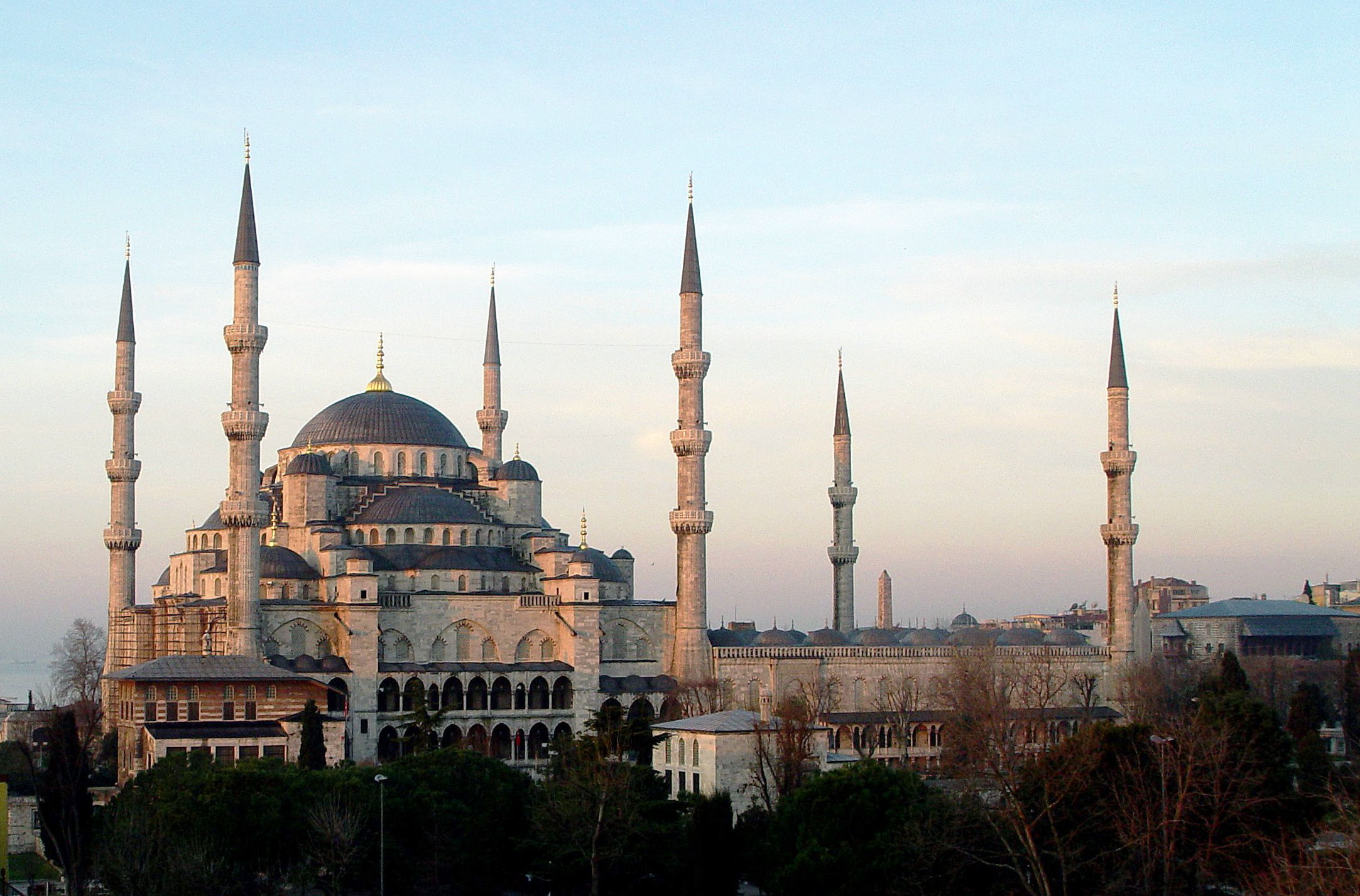
Islamic Architecture: Sacred Geometry, Symbols, and Structural Evolution
Walk into a courtyard where water barely ripples, light breaks into patterned shade, and geometry seems to “hold” the air in place. That feeling, calm, ordered, and quietly symbolic, is often what people are really searching for when they type Islamic architecture.
I’ll treat Islamic architecture the way I would on a site visit: as a design language you can learn to read. Once you know the vocabulary (mihrab, iwan, muqarnas, mashrabiya), the buildings stop being “mysterious” and start making clear architectural sense.
Key Takeaways: What Defines Islamic Architecture?
- The Big Four Types: The primary structures are the Mosque (civic/religious), the Palaces and Forts (residence/power), the Tomb (remembrance), and the Madrasa (education).
- Signature Engineering: Key identifiers include the Pointed and Horseshoe Arch, the Dome, the Minaret, and complex vaulting known as Muqarnas.
- Core Philosophy: Driven by Aniconism (the avoidance of human/animal figures), the aesthetic relies on Sacred Geometry, Calligraphy, and Arabesque floral patterns.
- Environmental Mastery: Designs prioritize climate control through the use of the Sahn (courtyard) for ventilation and Mashrabiya screens for shading.
The Spiritual Blueprint: Why Islamic Architecture Looks The Way It Does
To understand the architecture, one must first understand the constraints that birthed it. Unlike the Western tradition, which historically relied on statues and paintings to tell religious stories, Islamic art is rooted in aniconism.
Aniconism And The Power Of Sacred Geometry
Aniconism is the proscription against representing sentient beings (humans or animals) in sacred contexts to avoid idolatry. This restriction forced early architects to invent a new visual language. They turned to geometry.
In my design practice, I view these geometric patterns not just as decoration, but as a philosophical statement.
The complex, repeating star patterns and tessellations have no beginning and no end. They are a visual metaphor for the infinite nature of God (Allah). When you look at a tiled wall in the Alhambra, your eye is never allowed to rest on a single focal point; instead, you are drawn into an endless expansion, encouraging contemplation rather than object worship.
Calligraphy: Making The Word Of God Structural
In many traditions, text is something you read in a book. In Islamic architecture, text is the structure. Calligraphy is the highest art form in the Islamic world because it conveys the divine word of the Quran.
Architects treat script as a material building block. You will often see Kufic or Thuluth scripts interwoven into tile work or carved directly into stone bands wrapping around domes. This transforms the building itself into a prayer, where the walls literally speak to the observer.
The Toolkit Of The Masters: Essential Structural Elements
The aesthetic beauty of Islamic architecture is supported by rigorous engineering innovations. Many features we associate with "style" were actually structural solutions.
Arches: From The Horseshoe To The Pointed Arch
The arch is the backbone of Islamic structural design. While the Romans utilized the round arch, Islamic architects perfected the horseshoe arch (which curves inward at the bottom) and, crucially, the pointed arch.
The pointed arch was a revolutionary engineering leap. It distributes the weight of the ceiling more vertically than a round arch, allowing for taller buildings and thinner walls.
This innovation traveled to Europe via the Crusades and trade routes, becoming the defining feature of Gothic cathedrals centuries later.
Domes And Muqarnas: Engineering The Heavens
The dome represents the vault of heaven. However, placing a round dome onto a square room requires a complex structural transition.
This is where Muqarnas comes in. Often called "stalactite vaulting," muqarnas are three-dimensional, honeycomb-like shapes stacked in tiers.
From a distance, they look like decorative frothing water or hanging lace. Up close, they are a marvel of solid geometry, transferring the downward thrust of the dome into the corners of the room below. It is one of the most sophisticated solutions to load-bearing in architectural history.
The Sahn And Mashrabiya: Mastering Light And Air
Islamic architecture is deeply rooted in hot, arid climates. The Sahn is a central courtyard, often featuring an ablution fountain. This isn't just for ritual washing; as water evaporates, it cools the air, which then flows into the surrounding arcades.
Similarly, the Mashrabiya is a wooden lattice screen used on windows. It provides privacy(allowing those inside to see out without being seen) and reduces the glare of the desert sun, creating intricate, moving patterns of shadow and light on the interior floors.
The Four Pillars: Primary Building Types
While the style is vast, most major Islamic structures fall into four functional categories.
The Mosque: The Heart Of The Community
The Mosque (Masjid) is the center of civic and religious life. Its defining feature is the Mihrab, a niche in the wall that indicates the qibla (the direction of Mecca). The layout is often designed to accommodate parallel rows of worshippers, creating a sense of communal equality.
Palaces And Forts: Power And Paradise On Earth
Islamic palaces, like the Alhambra in Spain or Topkapi in Istanbul, are designed as "Paradises on Earth."
They emphasize horizontal layouts, integrating gardens, water channels, and pavilions to blur the line between indoor and outdoor living. Forts (Ribats), conversely, prioritize thick walls, watchtowers, and strategic positioning for defense.
Tombs: The Architecture Of Remembrance
Although early Islamic teachings discouraged ostentatious graves, the tradition evolved to produce some of the world's most famous structures, such as the Taj Mahal.
These mausoleums often feature a central dome over the burial chamber, surrounded by a Charbagh (a Persian-style quadrilateral garden) symbolizing the four rivers of Paradise.
The Madrasa: Education
Alongside mosques, madrasas are one of the most important building types in many Islamic cities. Architecturally, they often use courtyard plans with surrounding student rooms, teaching spaces, and sometimes an integrated prayer area-education made physical through space.
Optional “supporting city” types (one sentence is enough): Other common civic structures include bazaars, caravanserais (trade inns), hammams (bathhouses), and charitable water kiosks-architecture that supports everyday urban life, not only monuments.
Four Regions Of Muslim Architecture: Al-Andalus/Maghreb, Ottoman, Persian/Iranian, And Mughal/South Asian
If you zoom out, these four “regional styles” aren’t isolated boxes-they’re chapters in one long, connected design conversation. Power shifts, trade routes, pilgrimage networks, and court patronage moved craftspeople, materials, and ideas across seas and deserts. You can literally watch certain “architectural sentences” travel:
- From the Islamic West (Al-Andalus/Maghreb): the love of interior-focused splendor-courtyards, water, rhythmic arches, carved stucco-matures into a sophisticated language of surface and atmosphere. (Cordoba’s mosque plan also follows early Syrian/Iraqi precedents.)
- From Persian/Iranian traditions: the four-iwan courtyard and the obsession with geometry + colored tile become a blueprint for later monumental mosques. The Masjed-e Jame of Isfahan is explicitly described as a prototype for later Central Asian architecture.
- Into Mughal South Asia: Persianate planning and aesthetics are “re-authored” at an imperial scale, especially through the garden-tomb tradition, where Persian design expertise is directly part of the story.
- In the Ottoman sphere: the great question becomes: how do you build a prayer hall that feels like one unified dome of space? Istanbul’s skyline ties the Byzantine dome legacy (Hagia Sophia) to the Ottoman climax of mosque architecture.
Al-Andalus And The Maghreb: The Western Soul
Duration: ~711 CE – 1492 CE (In Spain) | Ongoing tradition in North Africa (Morocco, Algeria, Tunisia).
This region represents the westernmost expansion of Islamic design. Isolated by the sea and mountains from the Eastern Caliphates, architects here refined a style characterized by hypnotic repetition and a "fear of empty space" (horror vacui).
- Speciality: The Horseshoe Arch, intricate Zellij (hand-cut geometric tile), and Stucco carving that mimics lace.
- Engineering Focus: Mastery of the "Interior Paradise." Because the exterior climate was often harsh, the beauty was focused entirely inward on shaded courtyards and water features.
Mosque–Cathedral Of Córdoba (Great Mosque) - Córdoba, Spain
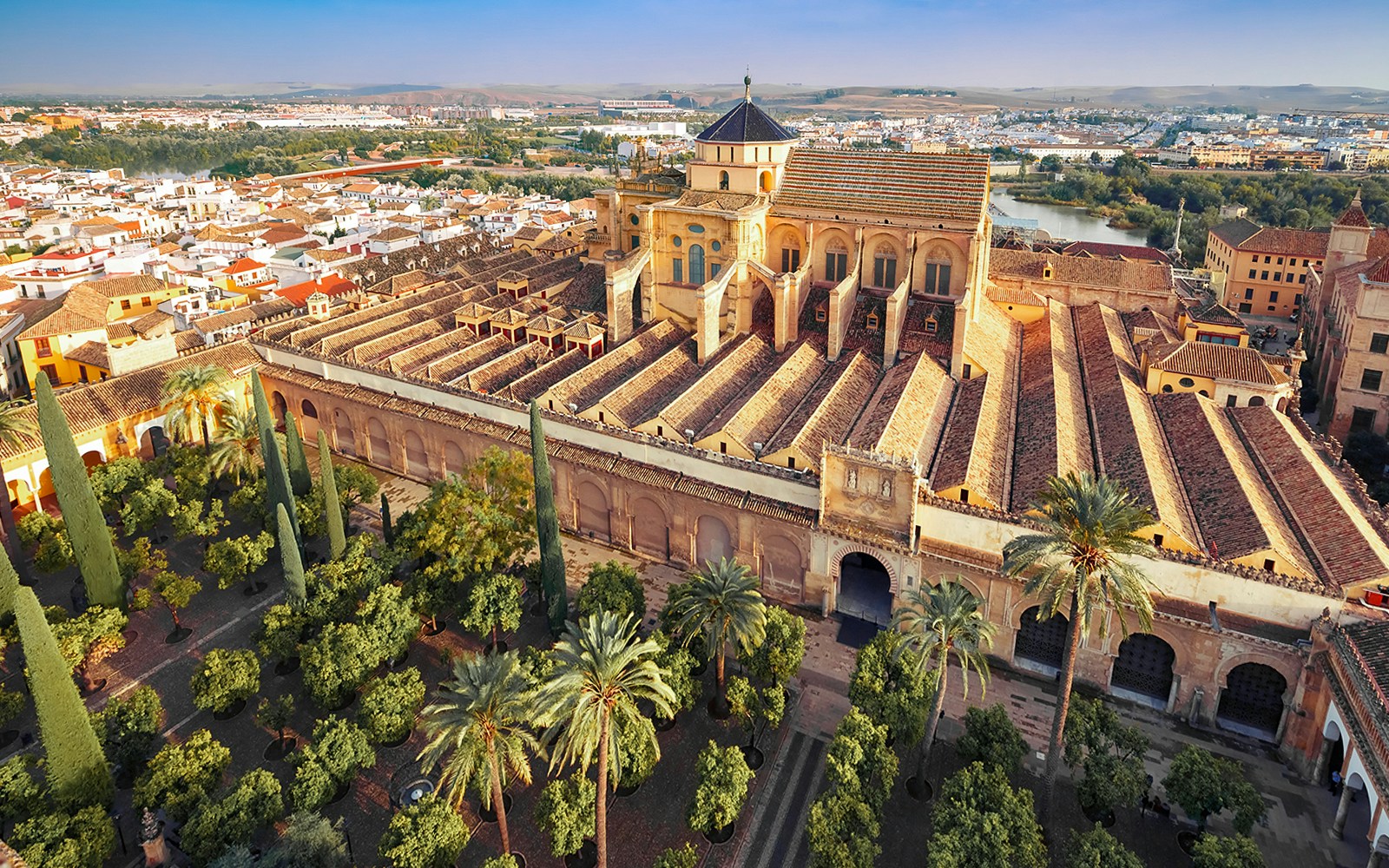
Built by the Umayyad ruler ʿAbd ar-Raḥmān I in 784–786 and expanded in the 9th–10th centuries, the mosque becomes famous for a prayer hall that feels almost infinite-rows of columns multiplied into a calm, repeating grid.
The signature move is the two-tier arch system: lower horseshoe arches plus an upper tier that helps lift the ceiling height. It’s structural problem-solving that becomes visual identity-your eye reads the alternating bands and repeating geometry like music.
The plan itself follows an early tradition established in major Umayyad/Abbasid mosques further east (Syria/Iraq), but Córdoba’s execution turns the idea into a uniquely western masterpiece.
The Alhambra - Granada, Spain
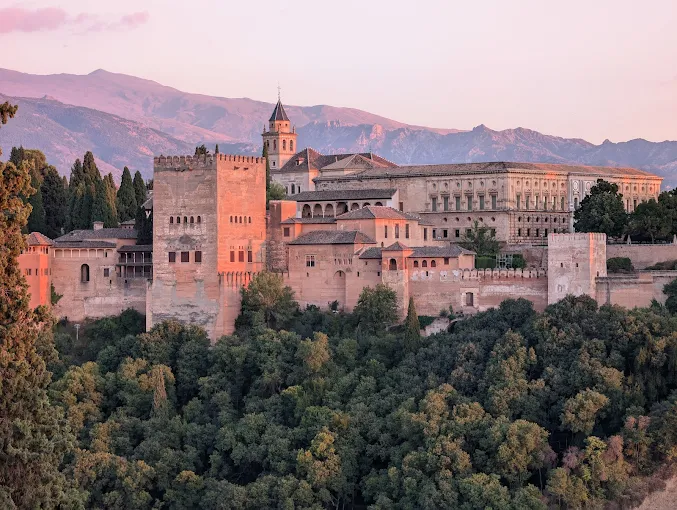
The Alhambra began as a fortress-palace complex under the Nasrids; Britannica notes it was built chiefly 1238–1358, and its later history is tied to the end of Muslim rule in Iberia (1492).
UNESCO also frames it as a rare survival of 13th–14th century Islamic palace culture in the West.
What makes it iconic isn’t one façade-it’s the interior choreography. The architecture moves you through thresholds into courtyards where proportions tighten, surfaces become more intricate, and water becomes a design material.
Pools act like mirrors; arcades filter light; walls become “textiles” of carved stucco and inscriptions.
Great Mosque Of Kairouan - Kairouan, Tunisia
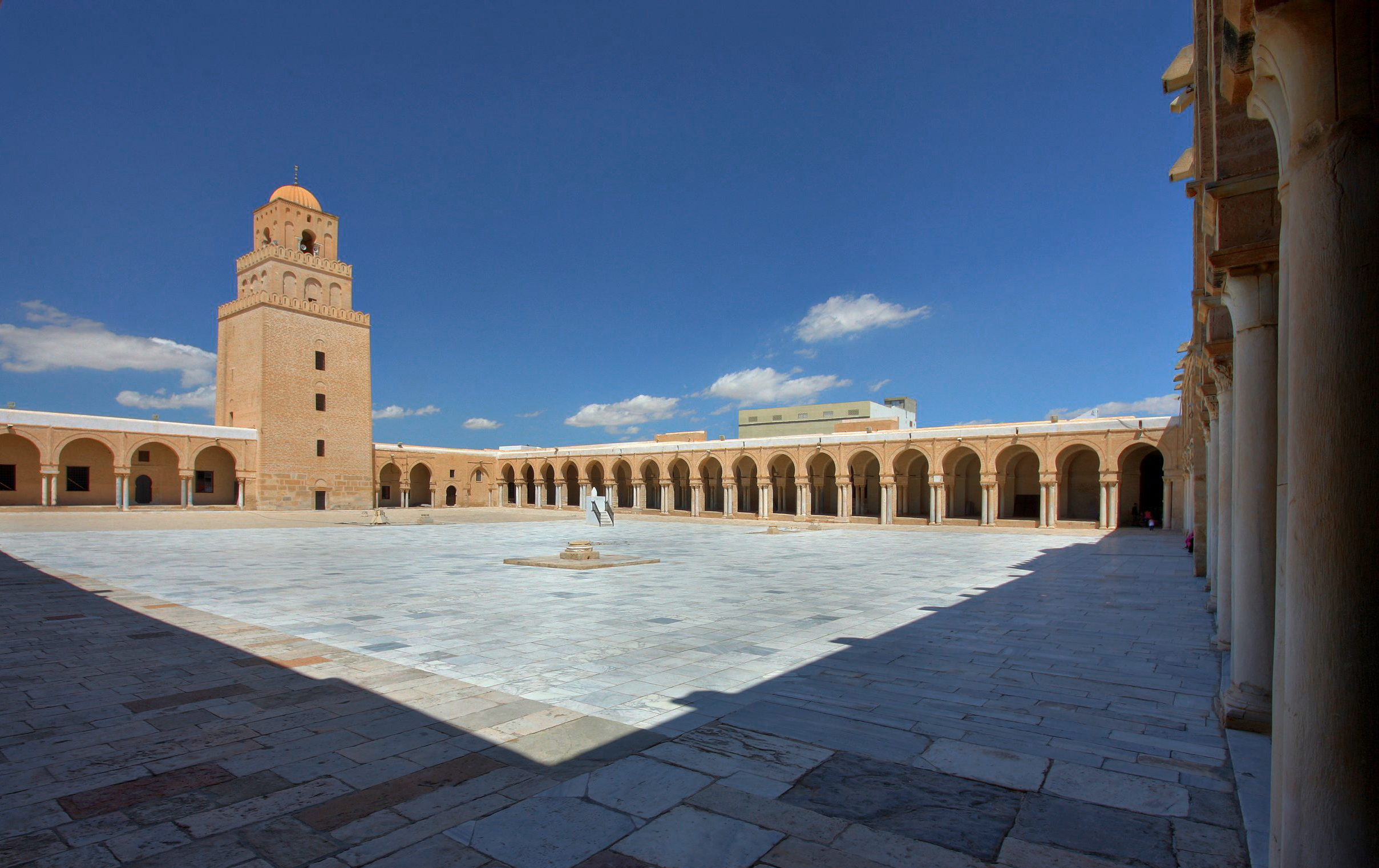
UNESCO describes Kairouan as a major early Islamic center, founded in 670, and highlights its monumental religious architecture as part of its World Heritage value.
The Great Mosque (often called the Mosque of Uqba) is repeatedly singled out as a major early mosque model for the region. Britannica notes key phases of construction in the 9th century, helping fix its “classic” Maghrebi form.
Spatially, it’s a powerful example of the hypostyle mosque with a large courtyard and a prayer hall supported by extensive columns-an architecture of order and legibility. Its massive, emphatic minaret reads like a landmark of authority: not delicate, but grounded.
Ottoman Architecture: The Mastery Of The Dome
Duration: ~1299 CE – 1922 CE.
When the Ottomans captured Constantinople in 1453, they were captivated by the Byzantine Hagia Sophia. Their subsequent 500-year architectural mission was to take that massive dome concept and perfect its engineering and aesthetics.
- Speciality: The Central Dome system, slender "pencil" minarets, and the use of lead-covered roofs and gray stone.
- Engineering Focus: Unified Space. Unlike the "forest of columns" in the West, Ottoman architects wanted a single, massive interior where thousands of people could see the preacher without obstruction.
Üleymaniye Mosque Complex - Istanbul, Turkey
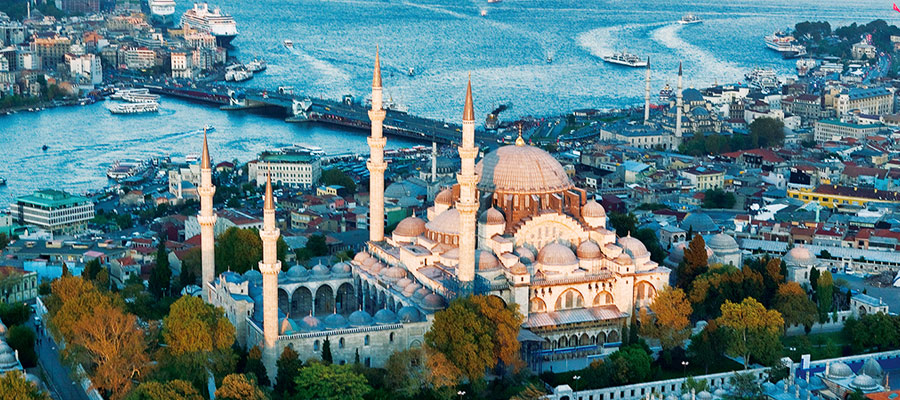
Britannica places the Süleymaniye Mosque as one of the greatest works of Sinan, built for Sultan Süleyman I and emblematic of the Ottoman high style.
In Istanbul’s UNESCO-listed historic skyline, the Süleymaniye complex is named as part of the 16th-century climax of Ottoman architecture.
The design reads as a hierarchy of volumes: a dominant central dome stabilized by semi-domes and powerful supports, so the interior feels like one continuous “sky.”
The complex isn’t only a prayer hall; Ottoman patronage often built a city within the city, where worship, learning, and welfare interlocked.
Selimiye Mosque And Its Social Complex - Edirne, Turkey
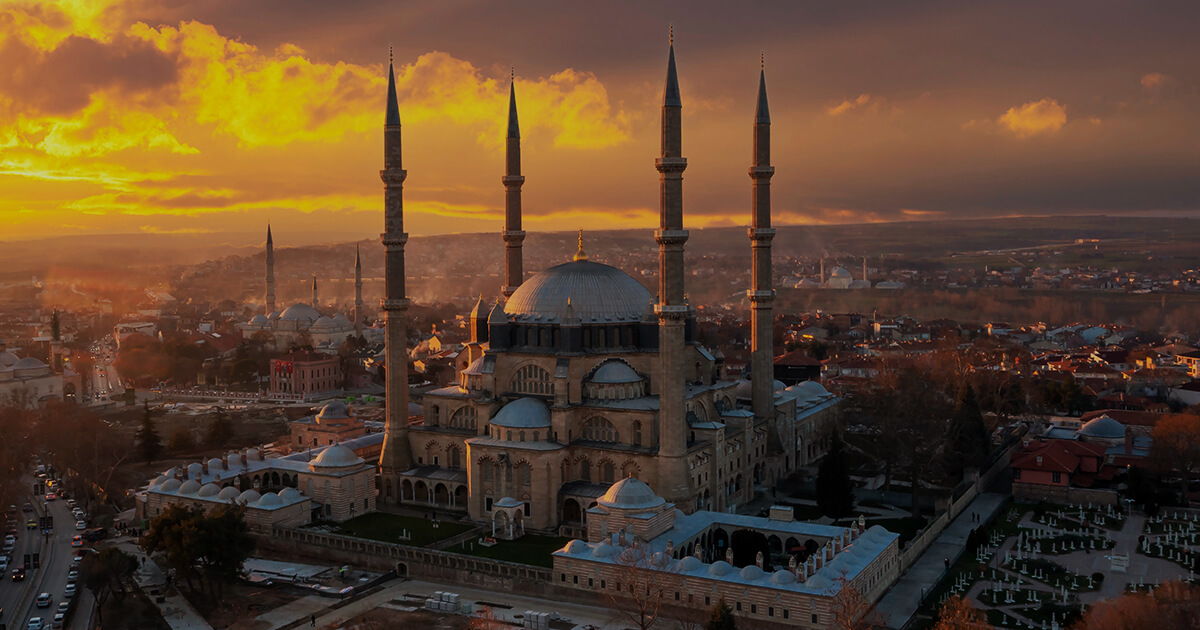
UNESCO describes the Selimiye Mosque as a masterpiece of Ottoman architecture, built 1568–1574 for Sultan Selim II, with an imposing dome and an ensemble that includes madrasas and other social elements.
Architecturally, Selimiye is often admired because the central dome feels unusually dominant and legible-a kind of structural confidence where supports are disciplined, and the interior reads as a single, coherent volume.
The four minarets sharpen the building’s vertical signature: they’re not just functional markers, but part of the total composition.
Topkapı Palace - Istanbul, Turkey
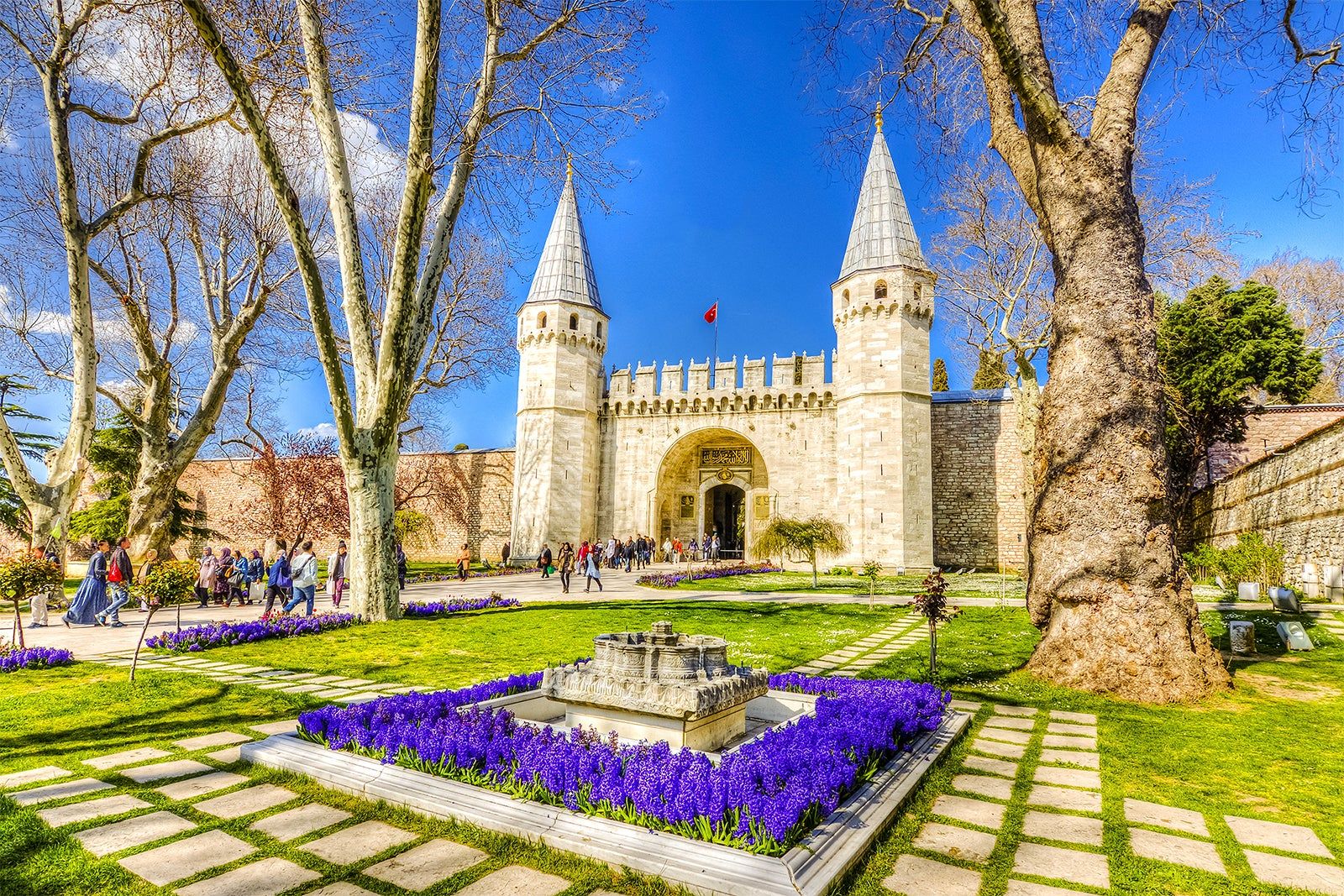
Britannica notes that Mehmed II ordered Topkapı’s construction in the late 1450s after the 1453 conquest, and that it served as the Ottoman seat of rule for nearly four centuries.
UNESCO’s Istanbul listing highlights Topkapı as a major component of the city’s historic fabric, expanded through later centuries.
Topkapı isn’t designed like a single symmetrical palace. It’s designed like graduated access: courtyard after courtyard, each more controlled, more private, more politically charged. That spatial logic mirrors imperial governance-architecture as protocol.
Persian And Iranian Architecture: The Language Of Color
Duration: ~8th Century CE – 19th Century CE (Peaked during the Safavid Dynasty, 1501–1736).
While the Ottomans built in stone, the Persians were the masters of brick and glazed tile. They turned buildings into jewels, covering every surface in brilliant turquoise, cobalt, and gold.
- Speciality: The Iwan (a giant vaulted entrance), the Double-Shell Dome, and shimmering mosaic tilework.
- Engineering Focus: Vertical Grandeur. By inventing the double-shell dome (an inner dome for the interior and a much taller outer dome for the skyline), they created landmarks that could be seen from miles away.
Masjed-E Jame Of Isfahan - Isfahan, Iran
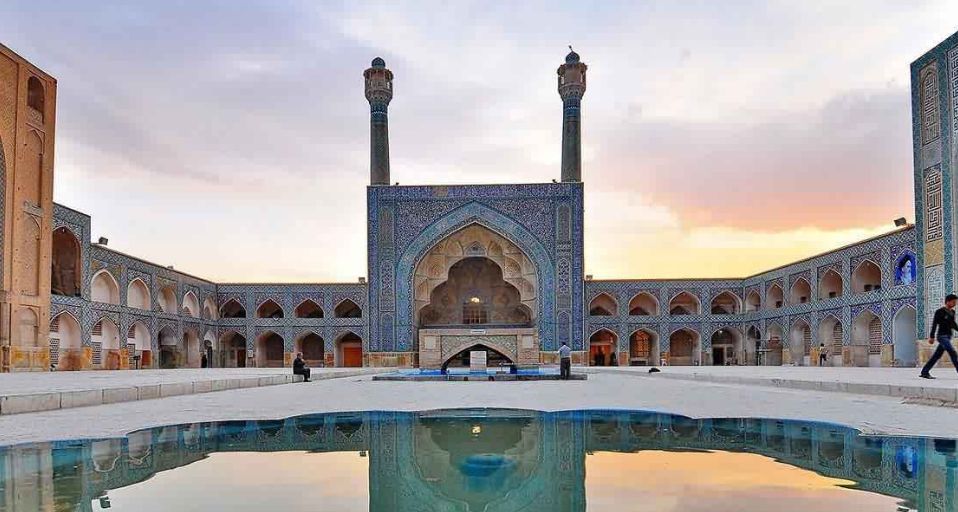
UNESCO emphasizes that the Masjed-e Jame reflects 12 centuries of continuous building, beginning as early as 841, and calls it a prototype whose architectural forms influenced later Central Asian mosque design.
What that means on the ground: you’re not looking at a single moment of style-you’re looking at layered decision-making. As dynasties change, the mosque absorbs new structural ideas, new decorative emphases, and new spatial priorities.
Over time, the four-iwan logic turns the courtyard into a kind of architectural compass-each iwan becomes both entrance and orientation device.
Masjed-E Emam (Imam Mosque) - Isfahan, Iran
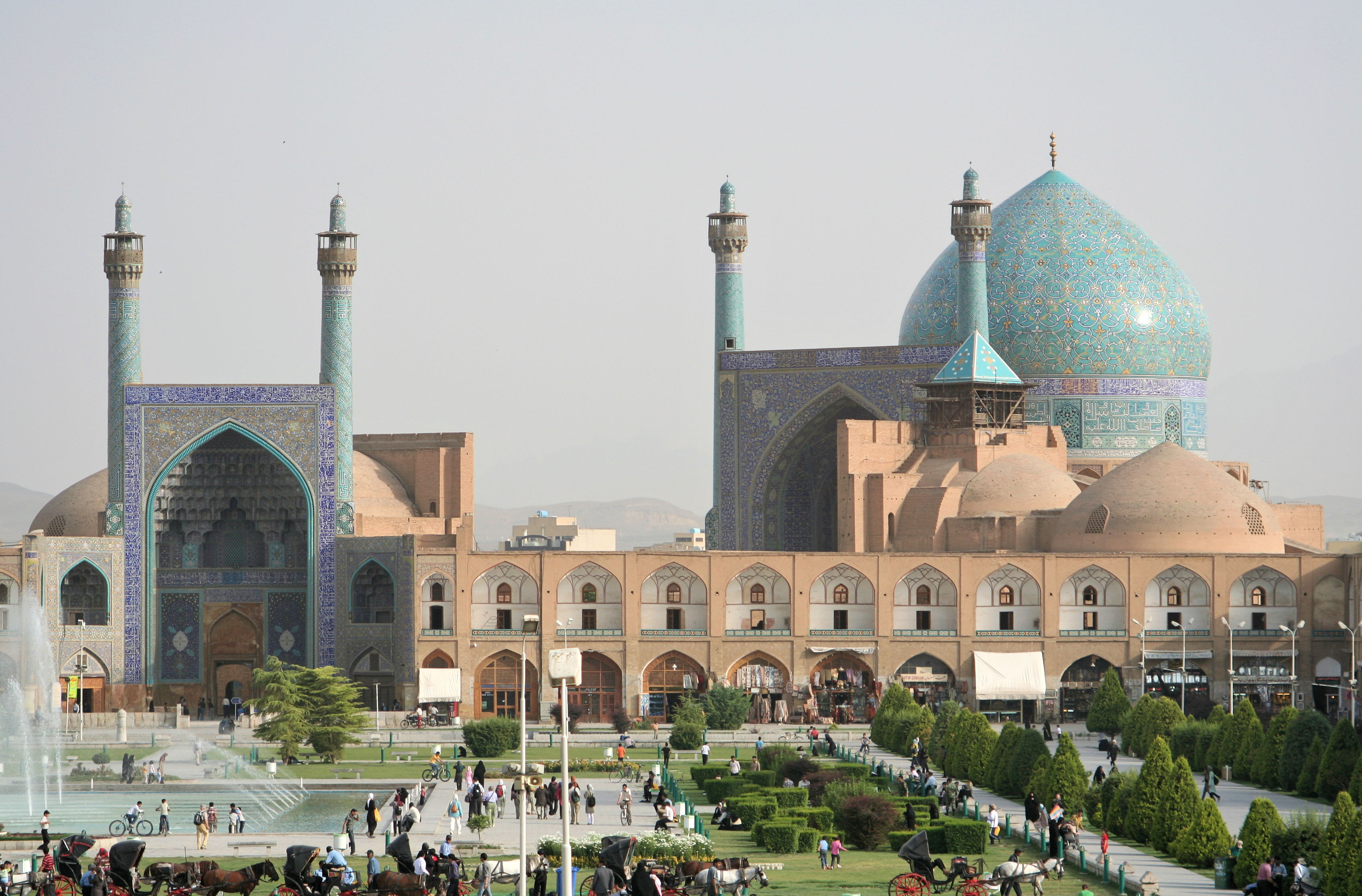
Britannica highlights the Imam Mosque as a pinnacle of Persian architecture, praising its precise vaulting and “sensational” use of colored tiles. It also belongs to the UNESCO-listed Meidan Emam ensemble, where mosque, palace, and bazaar form a choreographed civic whole.
Design-wise, the building performs two jobs at once:
- It addresses the public theater of the square, and
- It re-orients worshippers toward the qibla (Mecca direction).
That requires subtle geometry-entrance and prayer axis don’t always align with the square’s rectangle, so architecture becomes a tool for “turning” the body and attention.
Sheikh Lotfollah Mosque - Isfahan, Iran
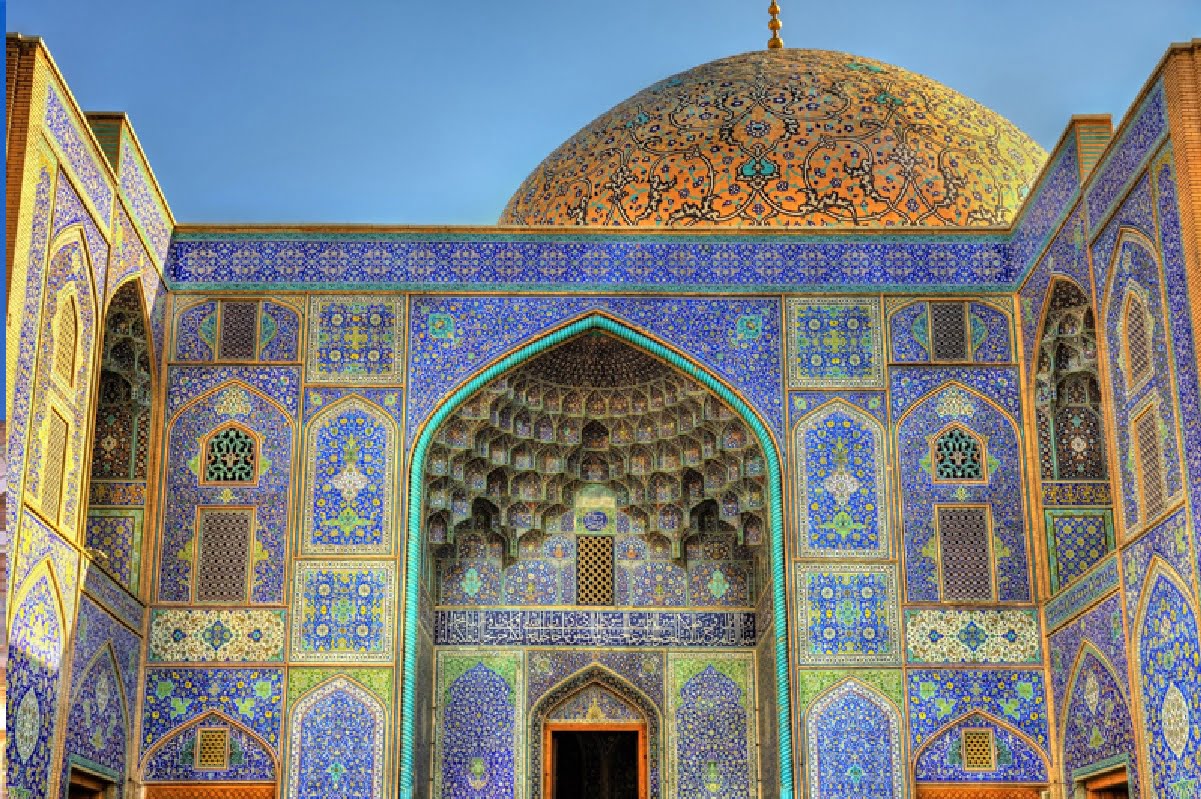
In the UNESCO Meidan Emam complex, the Sheikh Lotfollah is singled out as a masterpiece and described as a mosque built as a private place of worship for the royal court. Archnet notes its construction period as 1617–1618, placing it firmly in the Safavid Isfahanmoment.
Unlike congregational mosques designed around large courtyards and crowd flow, this building feels deliberate and concentrated-more jewel than fortress.
The emphasis falls on the domed chamber experience: scale, proportion, and surface artistry engineered to reward slow looking.
Mughal And South Asian Architecture: Symmetry And Stone
Duration: ~1526 CE – 1857 CE.
The Mughals were descendants of the Persians who conquered India. They combined the grand Persian "Iwan" and dome with the incredible stone-carving traditions of Indian Hindu artisans.
- Speciality: The use of Red Sandstone and White Marble, the Charbagh (four-part paradise garden), and perfect bilateral symmetry.
- Engineering Focus: Visual Harmony. Mughal buildings are often perfectly symmetrical; if you cut a photo of the Taj Mahal in half, the two sides are identical.
Humāyūn’s Tomb - Delhi, India
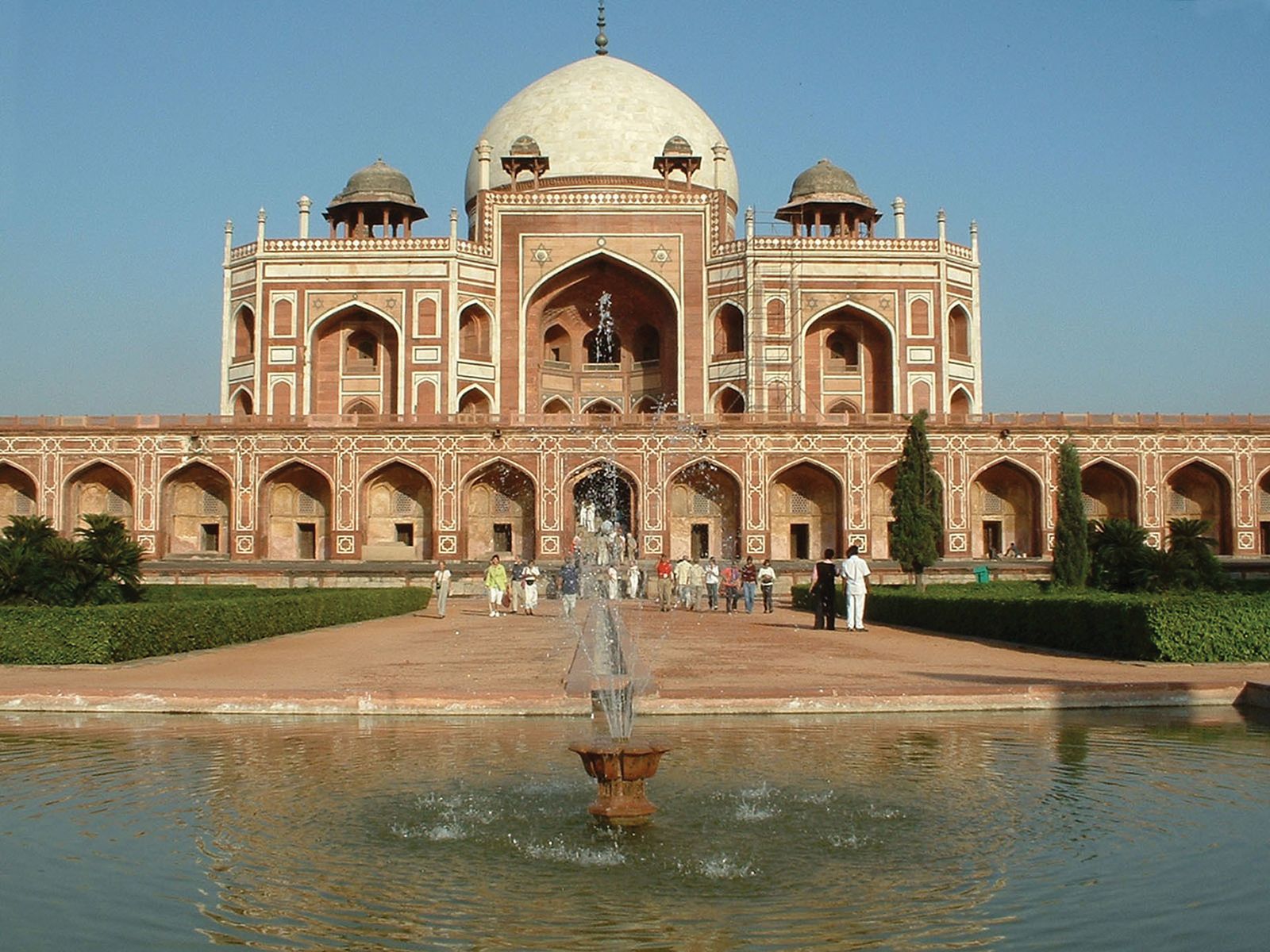
Britannica calls Humāyūn’s Tomb an early extant example of the garden tomb that becomes characteristic of Mughal architecture, commissioned in 1569 and designed by the Persian architect Mīrak Mīrzā Ghiyās̄. UNESCO also frames it as a landmark monument, recognized as World Heritage.
Architecturally, the project is doing something strategic: it turns a ruler’s memory into a designed landscape.
The garden isn’t a backdrop-it’s part of the meaning system. Paths, quadrants, water channels, and axial sightlines set up a controlled approach, so the tomb feels inevitable when you arrive.
Taj Mahal - Agra, India
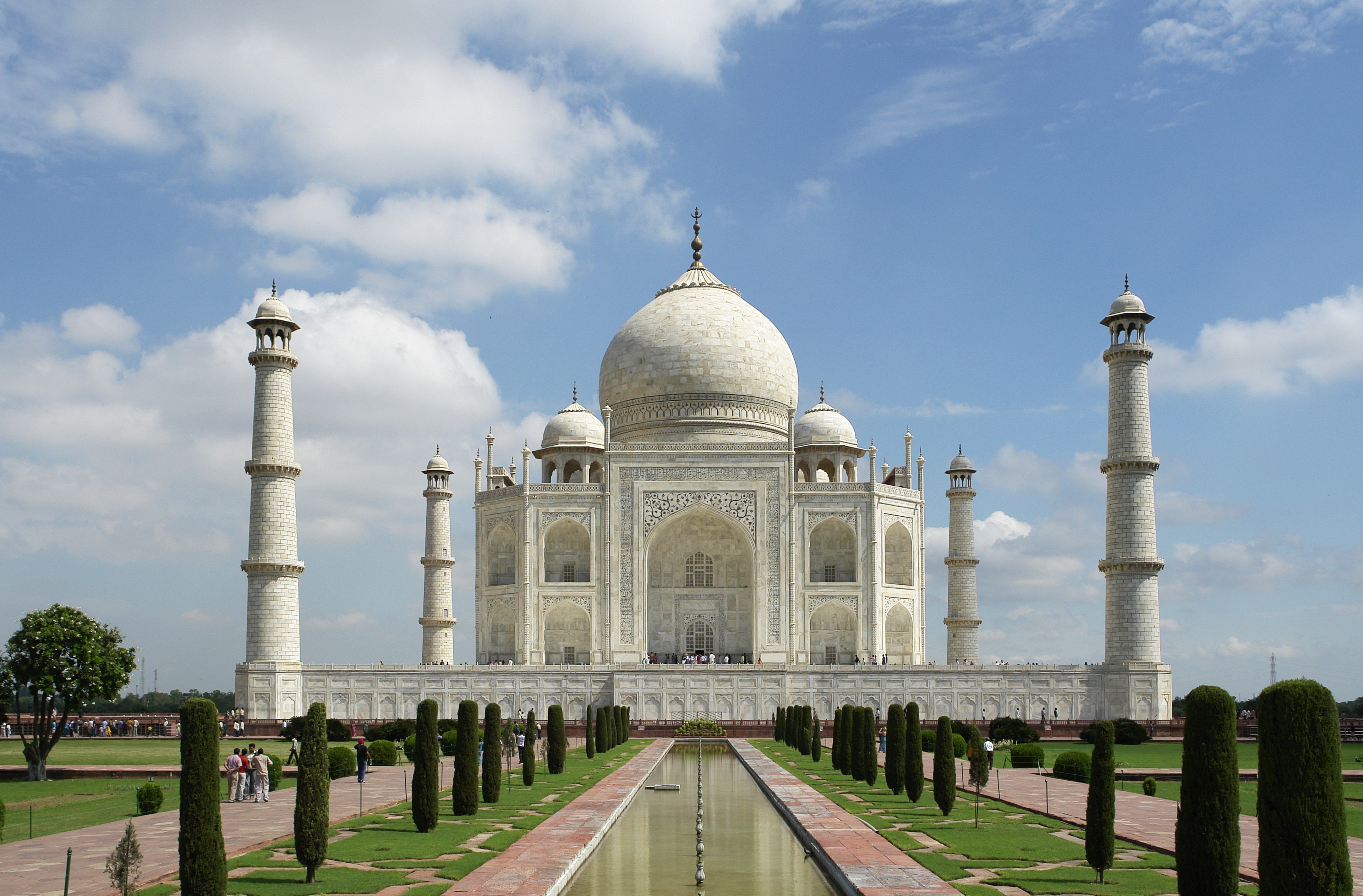
Britannica describes the Taj Mahal as a white marble mausoleum complex built by Shah Jahan to memorialize Mumtaz Mahal, who died in 1631. UNESCO notes the main construction period as 1631–1648.
The design’s power is its legibility. You approach along a strong axis; the mausoleum appears as a perfected object at the end of a measured procession.
The white marble skin, paired with calligraphy, carved detail, and inlay, turns the structure into a luminous surface, especially as light changes through the day.
Fatehpur Sikri - Near Agra, India
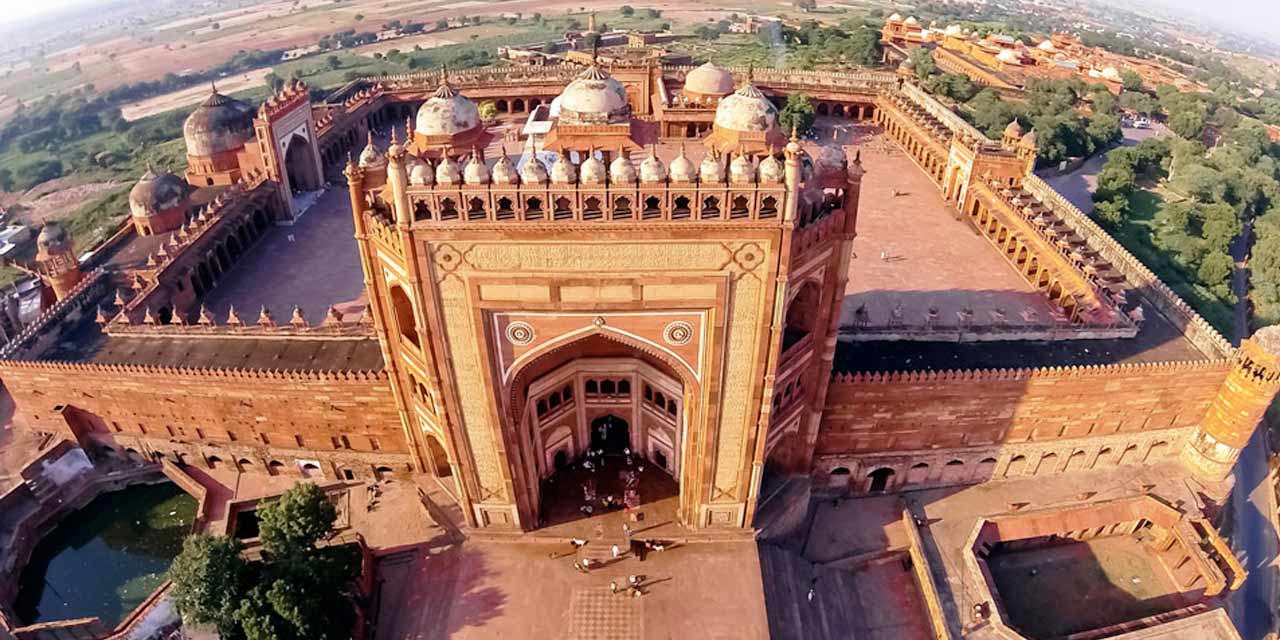
Britannica notes Fatehpur Sikri was founded by Emperor Akbar and contains early Mughal structures such as the Buland Darwaza (Victory Gate) and major palace elements. UNESCO describes it as Akbar’s planned capital and a key Mughal ensemble.
Unlike a single-moment monument (like a tomb), Fatehpur Sikri is about systems: where audiences occur, where procession routes move, and how courtyards manage social hierarchy.
Red sandstone construction gives the whole place a unified material identity, while carved details and pavilion forms break it into human-scale episodes.
Beyond These Four: Islamic Architecture Is Global
These four regions are a helpful backbone, but Islamic architecture stretches far beyond them. In West Africa, builders developed monumental earthen architecture suited to local materials and climate.
In Central Asia, Timurid-era cities pushed tile, scale, and portal design to spectacular extremes. In China and Southeast Asia, mosque architecture often adapts to local timber traditions and roof forms.
The unifying thread isn’t one shape-it’s the shared logic of orientation, patterned meaning, and climate-smart space.
The Living Legacy: Islamic Design In The 21st Century
Islamic architecture isn't a closed book. Today, modern architects are stripping away the "decoration" to find the core logic.
- The Louvre Abu Dhabi uses a massive, high-tech dome to recreate the "rain of light" effect of a traditional palm-leaf roof or a Mashrabiya screen.
- The Bait Ur Rouf Mosque in Bangladesh uses porous brickwork to create natural ventilation, winning global awards for solving 21st-century climate problems using 14th-century wisdom. It reminds us that "Islamic" architecture is less about the shape of a dome and more about the quality of light and air.
Also Check Out: Tadao Ando Architecture
Frequently Asked Questions
What Is Islamic Architecture?
Islamic architecture is the building tradition of Muslim societies from the 7th century onward, expressed in mosques, civic buildings, homes, gardens, and cities across many regions.
What Are The Five Features Of Islamic Architecture?
Common features include qibla orientation, a mihrab niche, courtyards, domes, and minarets-though not every building includes all of them.
What Are The 4 Types Of Islamic Architecture?
A practical way to group it is by major regional traditions: Al-Andalus/Maghreb, Ottoman, Persian/Iranian, and Mughal/South Asian, each adapting shared principles differently.
What Are The 7 Principles Of Islamic Architecture?
A useful set is: orientation, procession, courtyard logic, light control, geometric order, calligraphic meaning, and climate-responsive form-principles seen across regions.
What Is The Difference Between Islamic And Arab Architecture?
Islamic architecture spans many cultures and regions; Arab architecture refers more specifically to Arab peoples and places, which represent only part of the Islamic world.
Why Are Geometric Patterns So Common In Islamic Design?
They’re a major non-figural decorative mode, associated with aniconic visual language and used to organize surfaces across scales in architecture and objects.
What Is A Mihrab?
A mihrab is a niche in the qibla wall of a mosque indicating the direction of Mecca; it’s often the most ornamented focal point.
What Is Muqarnas?
Muqarnas is a three-dimensional geometric form used in vaults and transitions, creating a “honeycomb” effect that breaks mass into patterned complexity.
Do All Mosques Have Minarets And Domes?
No. Many mosques include them, but mosque designs vary widely by region, era, and function, and neither element is universally required.
What Are The Most Famous Examples Of Islamic Architecture?
Often-cited examples include the Alhambra, the Mezquita of Córdoba, Masjed-e Jāmé of Isfahan, and the Taj Mahal.
What Is A Four-Iwan Mosque?
It’s a courtyard-centered mosque plan where four iwans (vaulted halls open on one side) face the courtyard, often with a domed sanctuary on the qibla side.
What Is A Hypostyle Mosque?
A hypostyle mosque uses many columns to support a roof over a large prayer hall, creating a modular “forest of columns” that can expand over time.
What Is A Madrasa In Architectural Terms?
A madrasa is an educational institution whose architecture often centers on a courtyard with surrounding rooms and a prayer/teaching space integrated into the plan.
What Role Does Water Play In Islamic Architecture?
Water shapes climate comfort and symbolism, cooling courtyards and animating palatial and garden spaces, especially through fountains, channels, and reflecting pools.
How Is Islamic Architecture Used In Modern Design?
Modern projects often abstract core ideas-orientation, light control, community space, and patterned filtering-rather than copying historical forms directly.
Final Thoughts
Islamic architecture is more than a historical category; it is a masterclass in harmonizing the spiritual with the practical.
From the cooling courtyards of Morocco to the marble symmetry of the Taj Mahal, these structures teach us that buildings can be both functional machines for living and profound instruments of contemplation.
As you encounter these elements-whether in a history book or on a travel adventure-look beyond the ornamentation. Look for the geometry that implies infinity and the engineering that captures the light. That is where the true story lies.
Jump to
Islamic Architecture: Sacred Geometry, Symbols, and Structural Evolution
The Spiritual Blueprint: Why Islamic Architecture Looks The Way It Does
The Toolkit Of The Masters: Essential Structural Elements
The Four Pillars: Primary Building Types
Four Regions Of Muslim Architecture: Al-Andalus/Maghreb, Ottoman, Persian/Iranian, And Mughal/South Asian
Al-Andalus And The Maghreb: The Western Soul
Ottoman Architecture: The Mastery Of The Dome
Persian And Iranian Architecture: The Language Of Color
Mughal And South Asian Architecture: Symmetry And Stone
Beyond These Four: Islamic Architecture Is Global
The Living Legacy: Islamic Design In The 21st Century
Frequently Asked Questions
Final Thoughts

George Evans
Author
George Anderson, an exceptional architectural designer, envisions and brings to life structures that transcend the realm of imagination. With an unwavering passion for design and an innate eye for detail, George seamlessly blends form and function, creating immersive spaces that inspire awe.
Driven by a deep appreciation for the interplay of space, light, and materials, George's innovative approach redefines the possibilities of architectural design. His visionary compositions leave an indelible mark, evoking a sense of wonder and transforming the built environment.
George Anderson's transformative designs and unwavering dedication continue to shape the architectural landscape, pushing the boundaries of what is possible and inspiring generations to come.
Latest Articles
Popular Articles