20 Top Ranked Colleges For Architecture (2026) - Finding Your Design Fit
Top ranked colleges for architecture: QS world top 20 plus a rankings decoder and fit scorecard to shortlist by studio culture and degree path for students.
Author:George EvansFeb 07, 20266.4K Shares89.8K Views
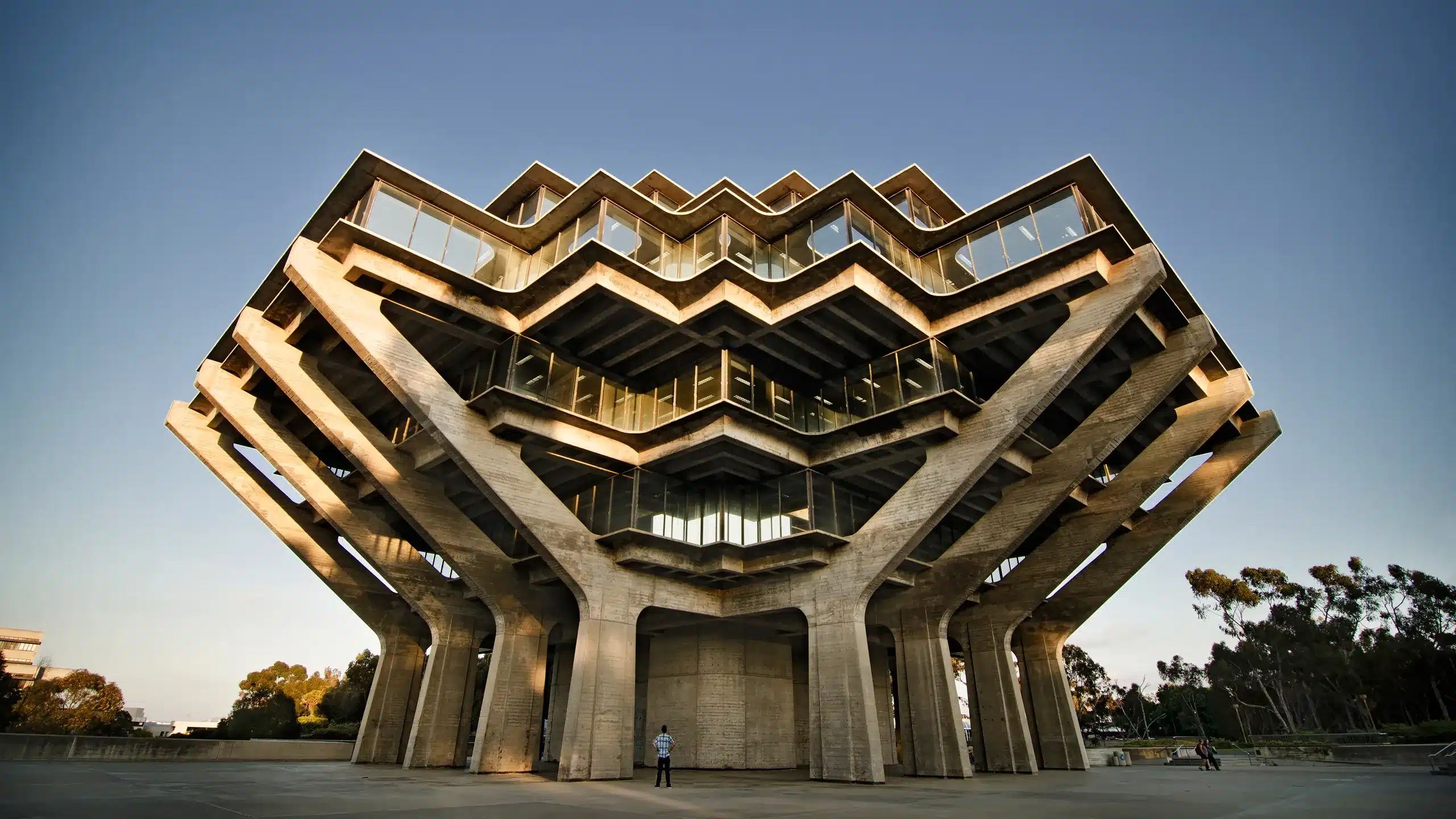
Technical, Artistic, Or Theoretical? Navigating The Top Ranked Colleges For Architecture
Choosing an architecture school is one of the most paralyzing moments in a young designer's life. I remember staring at the brochures, overwhelmed by the glossy renders and the prestige of the names on the covers.
Every university claims to be the premier destination, but in this industry, the name on your diploma matters far less than the portfolio you build while you are there.
As an architectural designer who has navigated studio culture and hired fresh graduates, I can tell you that rank is subjective.
A school that is ranked #1 for computational theory might be a terrible fit for a student who wants to focus on hand-drawing and historic preservation.
The goal of this guide is not just to show you the top-ranked colleges for architecture, but to help you decode why they are ranked that way, so you can find the studio that speaks your visual language.
Top 20 Ranked Colleges Of The World
In the world of architecture, prestige is split between the Ivy League academics and the technical powerhouses.
Below is a curated list of the top 20 institutions globally, synthesized from the latest QS World University Rankings and DesignIntelligence data, with expanded insights into their specific pedagogies and studio cultures.
Note:SAT scores are specific to US admissions; international institutions utilize different testing standards (e.g., A-Levels, IB, Gaokao).
1. The Bartlett School Of Architecture (UCL) – United Kingdom
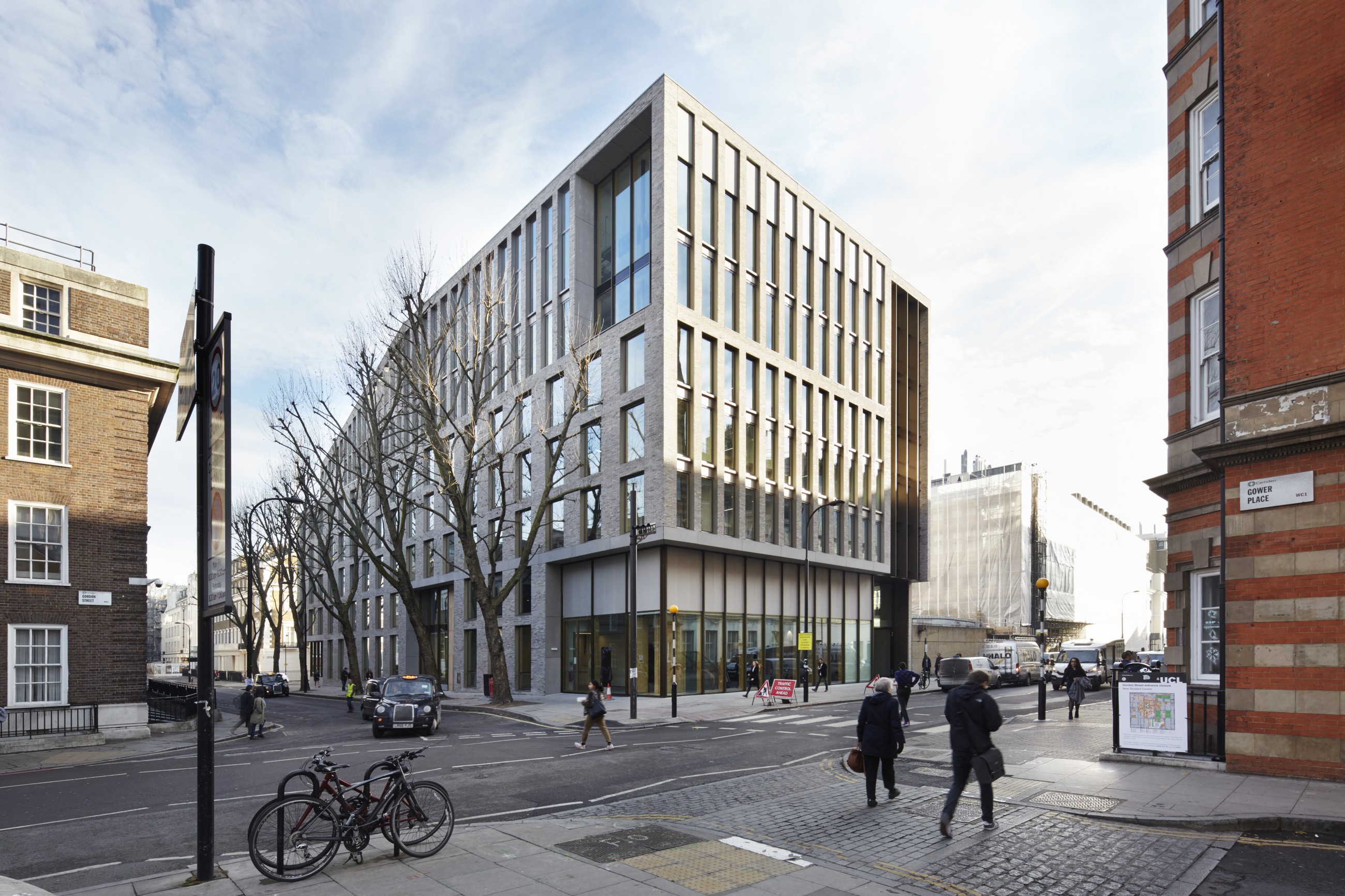
The Bartlett is not just a school; it is an experimental laboratory that consistently challenges the definition of architecture. Unlike traditional programs that may focus heavily on standard building typologies, the Bartlett operates on a Unit System.
Students bid for entry into specific units, each led by tutors with radically different agendasfrom bio-integrated design and sci-fi urbanism to material prototyping.
This structure ensures that no two graduates leave with the same portfolio, fostering an environment of intense individuality and avant-garde thinking.
The atmosphere in the studio is electric and notoriously demanding. It is a place where architecture might mean growing a building from fungus or designing a virtual reality city rather than a brick-and-mortar office block.
The school’s B-Pro programs and the annual Summer Show are industry spectacles, drawing headhunters from the world’s most forward-thinking firms. If you are a risk-taker who wants to operate at the bleeding edge of speculative design, this is your home.
- Acceptance Rate:Approx. 11% (Highly Selective)
- Annual Degrees Awarded:~150 (BSc Architecture)
- SAT Score:N/A (Requires A-Levels: AAB or IB: 36)
- Median Starting Salary:£28,000 - £32,000 ($36k - $41k USD)
2. Massachusetts Institute Of Technology (MIT) – USA
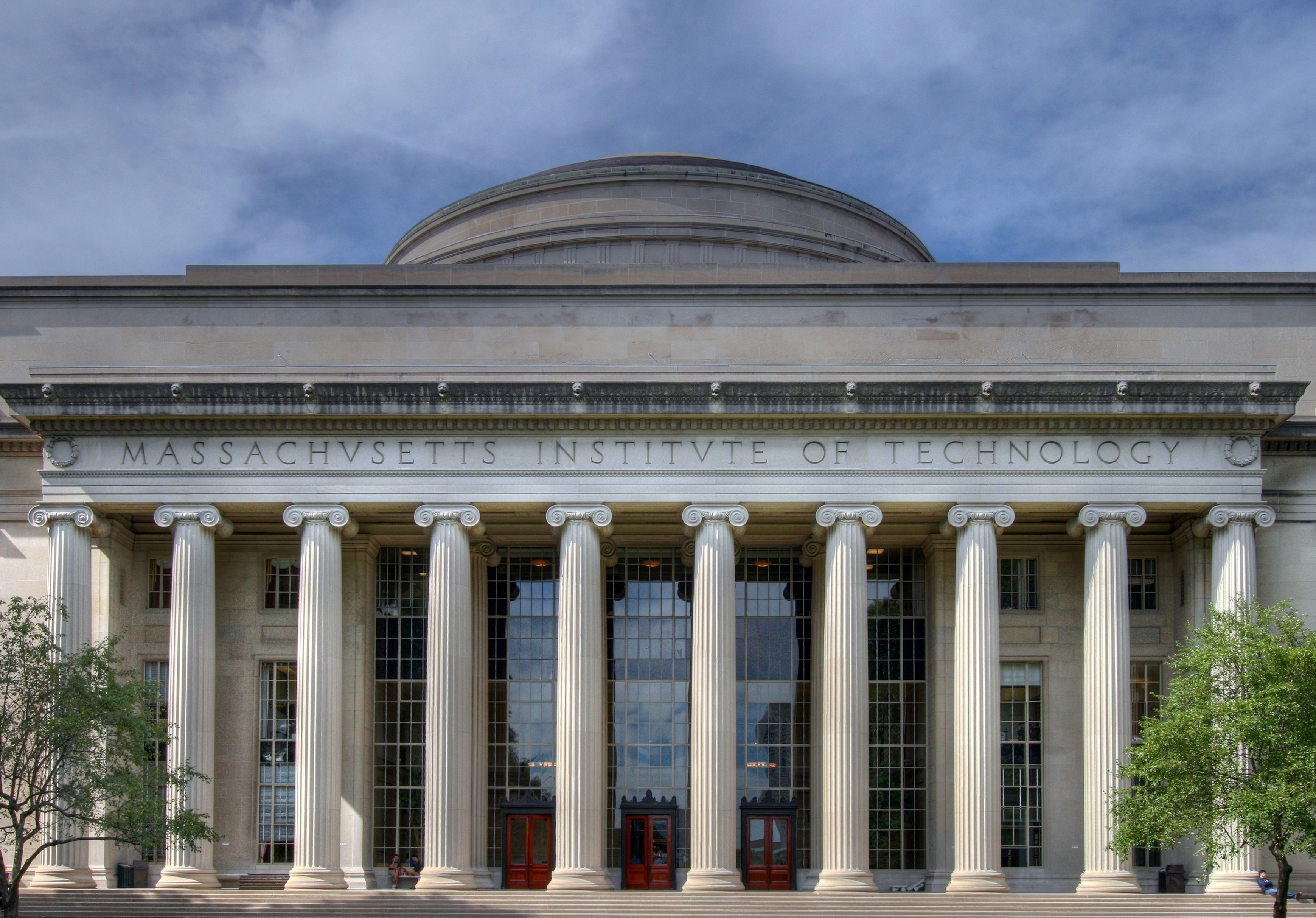
MIT Architecture sits at the intersection of design, computation, and engineering. As the oldest architecture program in the United States, it has successfully reinvented itself as the global leader in architectural technology.
The pedagogy here is less about style and more about systems. Students have access to the Media Lab and world-class fabrication facilities, encouraging them to invent new materials and construction methods rather than just utilizing existing ones.
The culture at the Massachusetts Institute of Technology is deeply collaborative yet academically rigorous. You are just as likely to be coding a robotic arm to assemble a wall as you are drawing a floor plan.
This technical supremacy makes MIT graduates incredibly valuable to firms that are pushing the boundaries of sustainable design and smart cities. It is not the place for pure romantics; it is the training ground for the inventors of the future built environment.
- Acceptance Rate:5% (Institute-wide)
- Annual Degrees Awarded:~35 (Undergraduate), ~60 (Graduate)
- SAT Score:1520 – 1570
- Median Starting Salary:$72,000
3. Delft University Of Technology (Tu Delft) – Netherlands
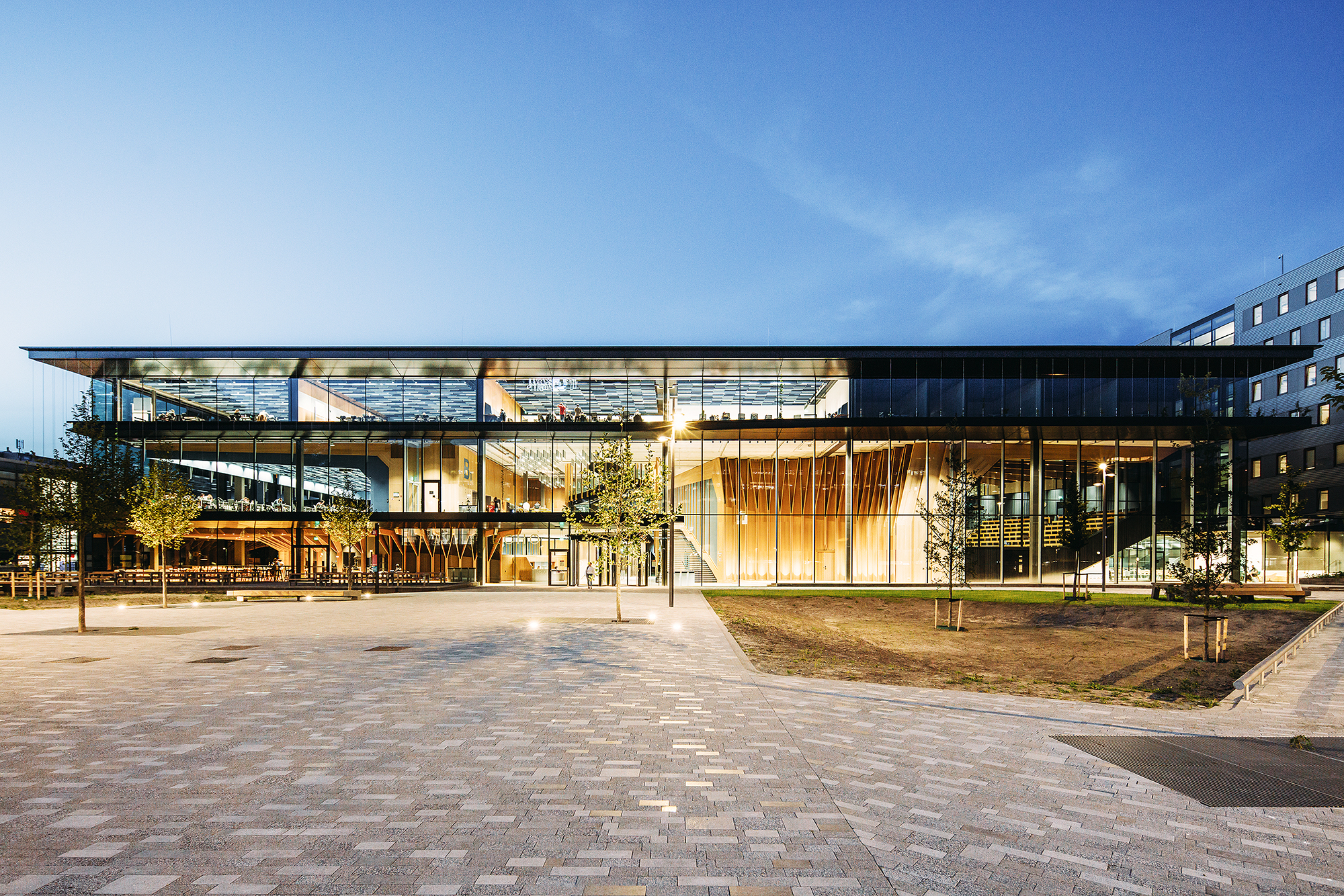
TU Delftis the heavyweight champion of European urbanism and social housing. The Faculty of Architecture and the Built Environment is one of the largest in the world, housed in the BK City buildinga vibrant, repurposed chemistry building that serves as a living laboratory.
The Dutch approach is famously pragmatic yet ambitious, focusing heavily on how architecture interacts with rising sea levels, population density, and public infrastructure.
Students here benefit from a massive diversity of chairs or specializations, ranging from heritage restoration to hyper-modern computational design.
The vibe is less hierarchical than US schools; it feels like a massive, democratic design village. If you are interested in the Big Picturehow cities work, how to house millions sustainably, and how to protect landscapesDelft offers a scale of thinking that few other schools can match.
- Acceptance Rate:~60% (Program-specific selection applies, Numerus Clausus)
- Annual Degrees Awarded:~300+ (Large cohort model)
- SAT Score:N/A (Requires VWO or equivalent)
- Median Starting Salary:€38,000 - €42,000 ($41k - $45k USD)
4. Eth Zurich – Switzerland

ETH Zurich represents the gold standard of precision. In the architectural world, Swiss Style implies a mastery of detail, structure, and material honesty, and ETH is the guardian of this tradition.
The curriculum is rigorous and disciplined, often heavily integrated with civil engineering concepts. It is not uncommon for students to spend weeks perfecting a 1:20 concrete section detail, learning that beauty is found in the logic of construction.
However, ETH is not stuck in the past. It is also a pioneer in digital fabrication, home to the famous Block Research Group, which explores unreinforced masonry and robotic construction.
The resulting graduate is a Master Builder in the truest sensesomeone who understands the poetic potential of a space but also possesses the engineering knowledge to ensure it stands up for centuries.
- Acceptance Rate:~27% (Overall)
- Annual Degrees Awarded:~200
- SAT Score:N/A (Requires Matura or entrance exam)
- Median Starting Salary:CHF 75,000 ($85k USD)
5. Manchester School Of Architecture – United Kingdom
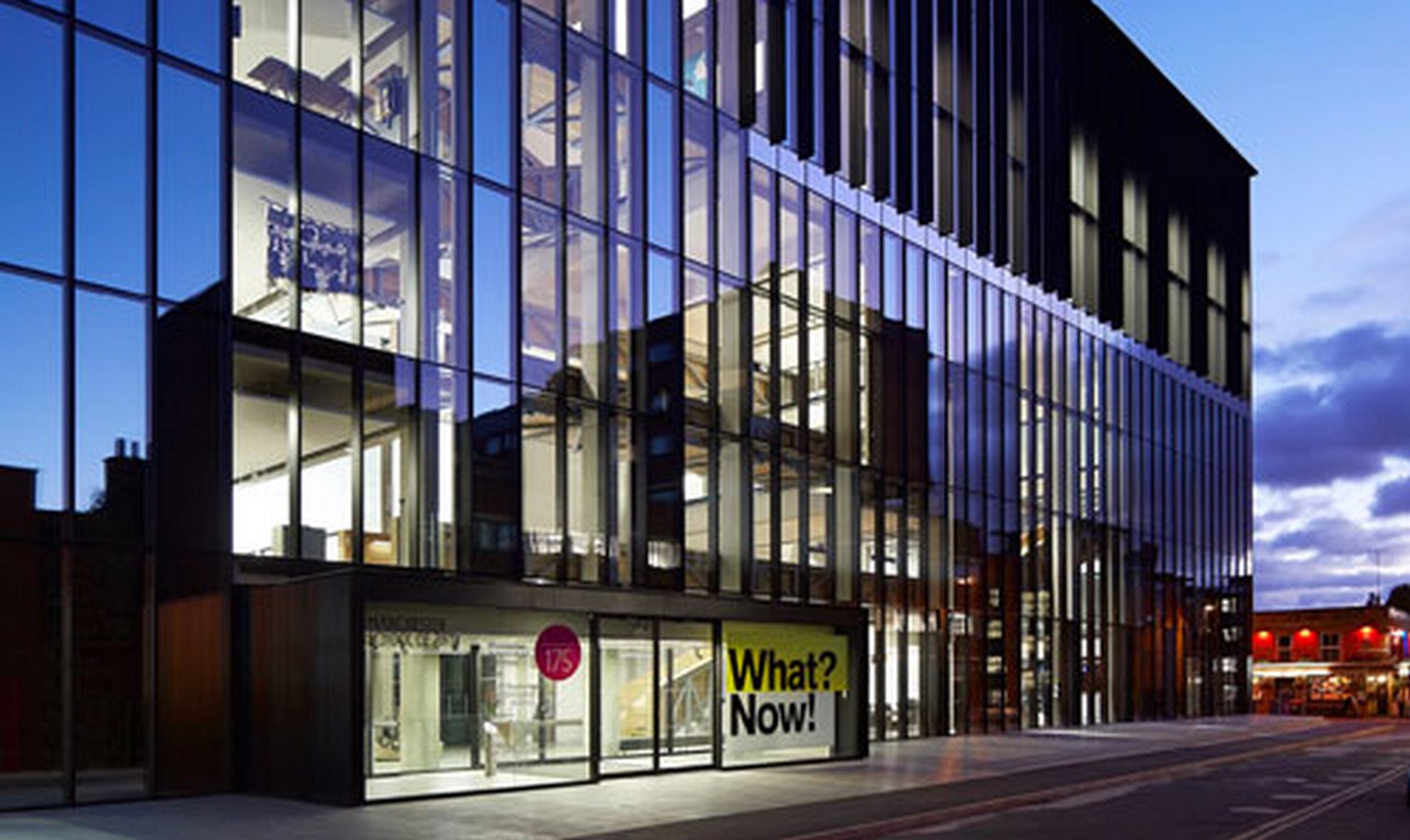
The Manchester School of Architecture(MSA) is a unique powerhouse, formed as a collaboration between Manchester Metropolitan University and The University of Manchester.
This partnership gives students access to the resources of two major universities and roots them deeply in the industrial history of the city.
The school is renowned for its feminist design research, age-friendly cities, and a strong emphasis on the social responsibility of the architect.
The MSA Live projects are a highlight of the curriculum, where student groups work on live projects with community partners, offering real-world experience before graduation.
The studio culture is known for being grounded and socially conscious. While London schools often look to the sky or the future, Manchester looks at the street and the people, making it an ideal choice for students who view architecture as a tool for social equity.
- Acceptance Rate:~14%
- Annual Degrees Awarded:~180
- SAT Score:N/A (A-Levels: AAA)
- Median Starting Salary:£26,000 ($33k USD)
6. National University Of Singapore (NUS) – Singapore

NUS is the premier destination for studying architecture in the context of the Asian tropical belt. As the region faces rapid urbanization and climate challenges, NUS has positioned itself as a leader in high-density, sustainable tropical design.
The curriculum forces students to grapple with the realities of vertical living and green skyscrapers, moving beyond Western-centric models to find solutions that work for hot, humid climates.
The Department of Architecture is deeply integrated with the city-state of Singapore itself, which often serves as a canvas for student projects.
Graduates are highly sought after across Asia because they possess a specific expertise in designing for density without sacrificing livability. If you want to be at the forefront of the Garden City movement, NUS is the undisputed leader.
- Acceptance Rate:~15-20% (Faculty of Design & Environment)
- Annual Degrees Awarded:~140
- SAT Score:N/A (A-Levels/IB priority)
- Median Starting Salary:SGD 48,000 ($36k USD)
7. Harvard University (GSD) – USA
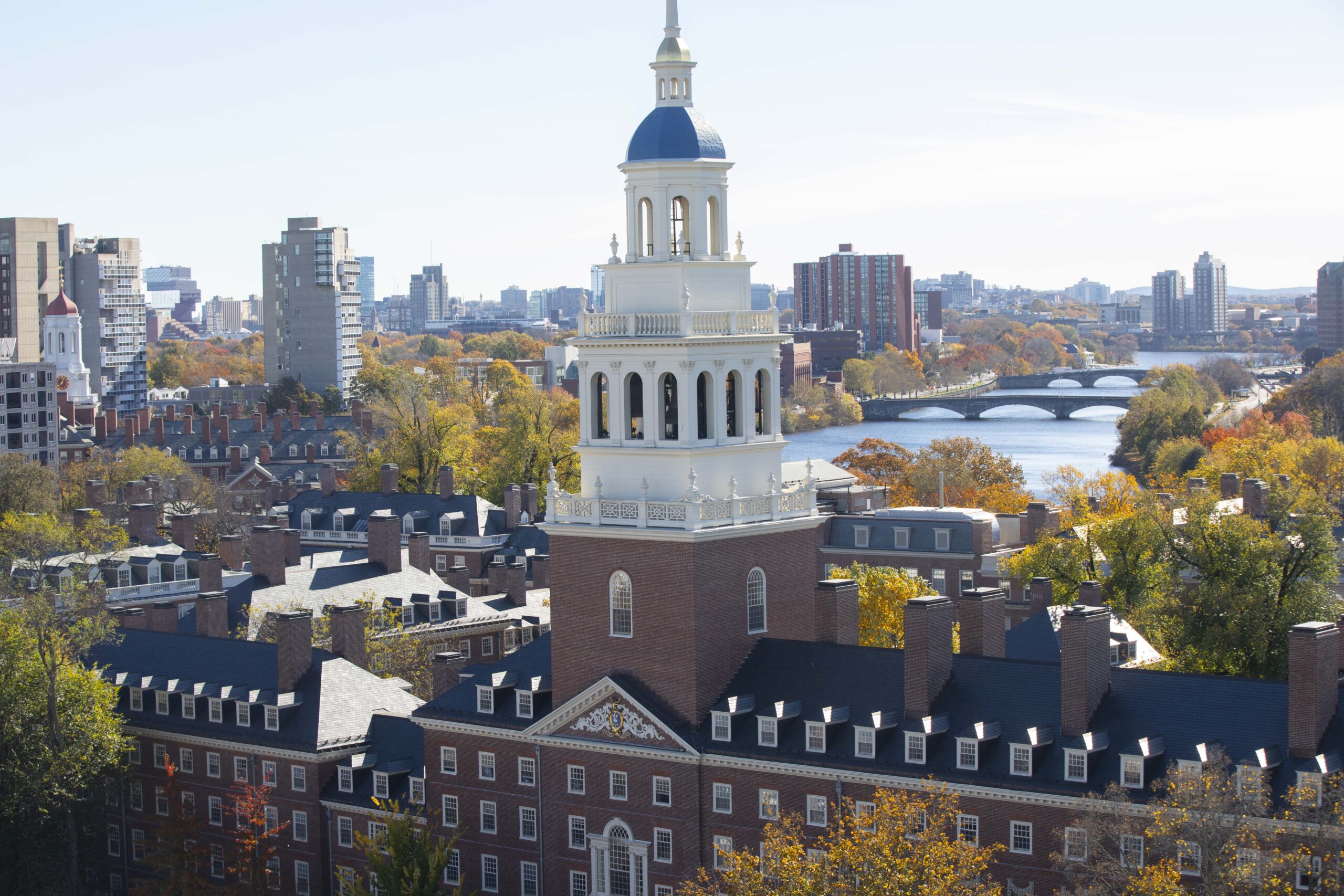
The Harvard Graduate School of Design(GSD) is arguably the most influential architecture school in the world regarding theory and discourse.
It is primarily a graduate school, meaning the studio culture is populated by mature students who have already mastered the basics.
The GSD is where the Starchitects and the critics come to teach. The famous Trays (the tiered studio space in Gund Hall) create a panopticon of productivity where everyone can see everyone else's work, fostering an environment of intense competition and cross-pollination.
A degree from the GSD is a brand stamp that opens doors into the highest echelons of the field. However, it is not a technical school; it is a school of thought.
You go to Harvard to learn how to think about architecture's role in politics, economics, and philosophy. It produces directors, curators, and firm partners who set the agenda for the profession.
- Acceptance Rate:15% (Graduate School of Design)
- Annual Degrees Awarded:~60 (M.Arch I)
- SAT Score:N/A (GRE often optional/waived)
- Median Starting Salary:$70,000+
8. Tsinghua University – China

Tsinghua is the engine room of China’s modernization. Located in Beijing, it is the most prestigious technical university in the country and sits at the heart of the most rapid urbanization project in human history.
The architecture program is deeply connected to the state’s major infrastructure projects, and the faculty includes many of the architects designing China’s museums, airports, and Olympic venues.
The curriculum is a rigorous blend of engineering prowess and classical training. Unlike some Western schools that have moved entirely to digital abstraction, Tsinghua still values technical competency and large-scale planning.
For students who want to work in the booming Asian market, the alumni network of Tsinghua is unrivaled; its graduates effectively run the major state-owned design institutes.
- Acceptance Rate:<2% (Gaokao is highly competitive)
- Annual Degrees Awarded:~90
- SAT Score:N/A (Gaokao Score: Top 0.1%)
- Median Starting Salary:¥200,000 - ¥250,000 ($28k - $35k USD)
9. University Of Cambridge – United Kingdom
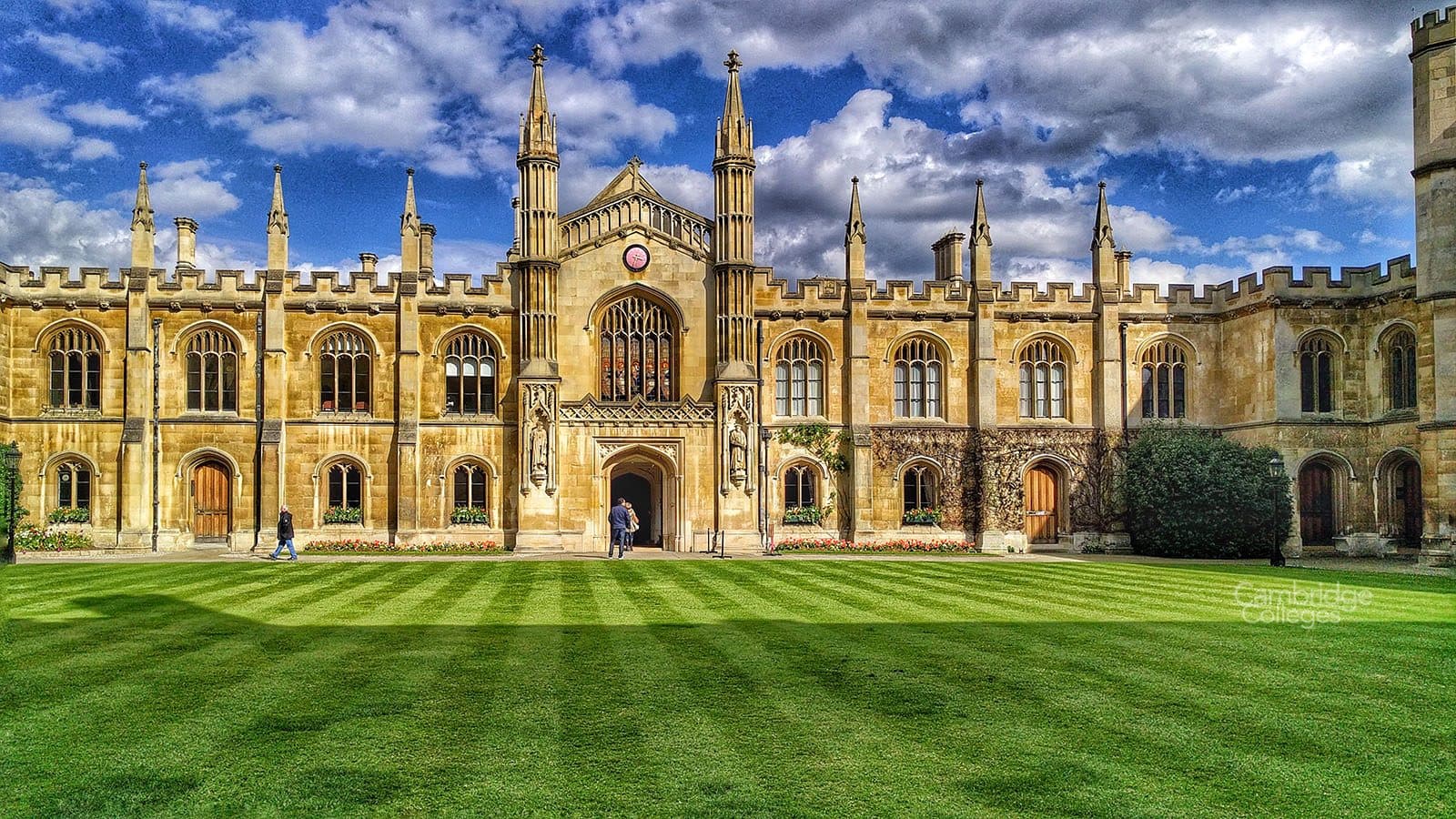
Architecture at Cambridge is distinct from almost every other school on this list due to its size and structure. It is small, intimate, and intensely academic.
The course retains a strong focus on the history and theory of architecture, treating the discipline almost as a humanity.
The unique supervision system means students receive one-on-one time with world-leading experts, ensuring a depth of critique that large studios cannot match.
Despite its historical weight, the program is not stuck in the past; it encourages a thoughtful, deeply researched approach to design.
The Cambridge Architect is often seen as a thinker-practitionersomeone who can write a dissertation as well as they can design a library.
It is an ideal environment for the intellectual student who prefers quiet, rigorous study over the chaos of a massive industrial studio.
- Acceptance Rate:12%
- Annual Degrees Awarded:~45 (Small studio cohorts)
- SAT Score:N/A (A-Levels: A*AA)
- Median Starting Salary:£30,000 ($38k USD)
10. Politecnico Di Milano – Italy
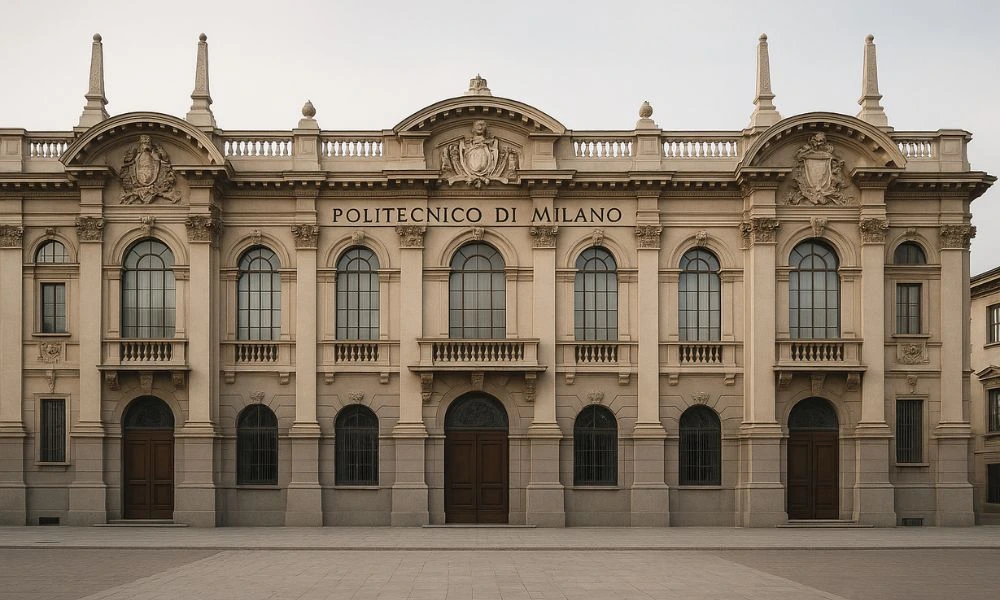
Politecnico di Milanois a colossus of European design education. With thousands of students, it offers a dizzying array of specializations, from interior design to complex structural engineering.
Located in the design capital of the world, the school is deeply embedded in the culture of Made in Italy.
The curriculum balances the technical requirements of engineering with the aesthetic flair that Italian design is famous for.
The sheer scale of the university allows for impressive facilities and a very international student body. It is a rigorous, technical school that produces graduates who are incredibly versatile.
Whether you want to work in high-end fashion retail design or large-scale urban infrastructure, PoliMi provides a technical foundation that is respected across the entire EU.
- Acceptance Rate:~25% (Entrance Exam Test di Architettura)
- Annual Degrees Awarded:~900 (Multiple tracks)
- SAT Score:N/A
- Median Starting Salary:€28,000 ($30k USD)
11. University Of California, Berkeley (Uc Berkeley) – USA

Berkeley is the spiritual home of social architecture in the United States. The College of Environmental Design(CED) was founded on the principle that architecture is not just about aesthetics, but about social justice and environmental stewardship.
The vibe on campus is distinctly different from the ivory tower schools; here, design is treated as a tool for activism, community building, and ecological repair.
The program is renowned for its research into sustainable building practices and urban equity. If you are interested in designing affordable housing, community centers, or resilient landscapes, Berkeley is the top choice.
It produces graduates who are Citizen Architectsprofessionals who see their client as the community at large, not just the person paying the bill.
- Acceptance Rate:11% (Overall)
- Annual Degrees Awarded:~200
- SAT Score: Test Blind (GPA: 4.15 - 4.29 Weighted)
- Median Starting Salary:$64,000
12. Epfl (École Polytechnique Fédérale De Lausanne) – Switzerland

EPFL is the French-speaking counterpart to ETH Zurich, and it is equally prestigious but with a slightly different flavor. The school is known for its focus on experimental form and the integration of cutting-edge technology.
The campus itself, featuring the famous Rolex Learning Center by SANAA, is a daily lesson in contemporary architecture.
The pedagogy emphasizes research by design, encouraging students to use the studio as a laboratory. The ALICE lab (Atelier de la Conception de l'Espace) is particularly famous for its first-year program where students physically build massive, habitable wooden structures.
This hands-on, learning by doing approach ensures that EPFL graduates understand the physical weight and reality of their digital designs.
- Acceptance Rate:~20%
- Annual Degrees Awarded:~120
- SAT Score:N/A
- Median Starting Salary:CHF 70,000 ($80k USD)
13. Columbia University (GSAPP) – USA
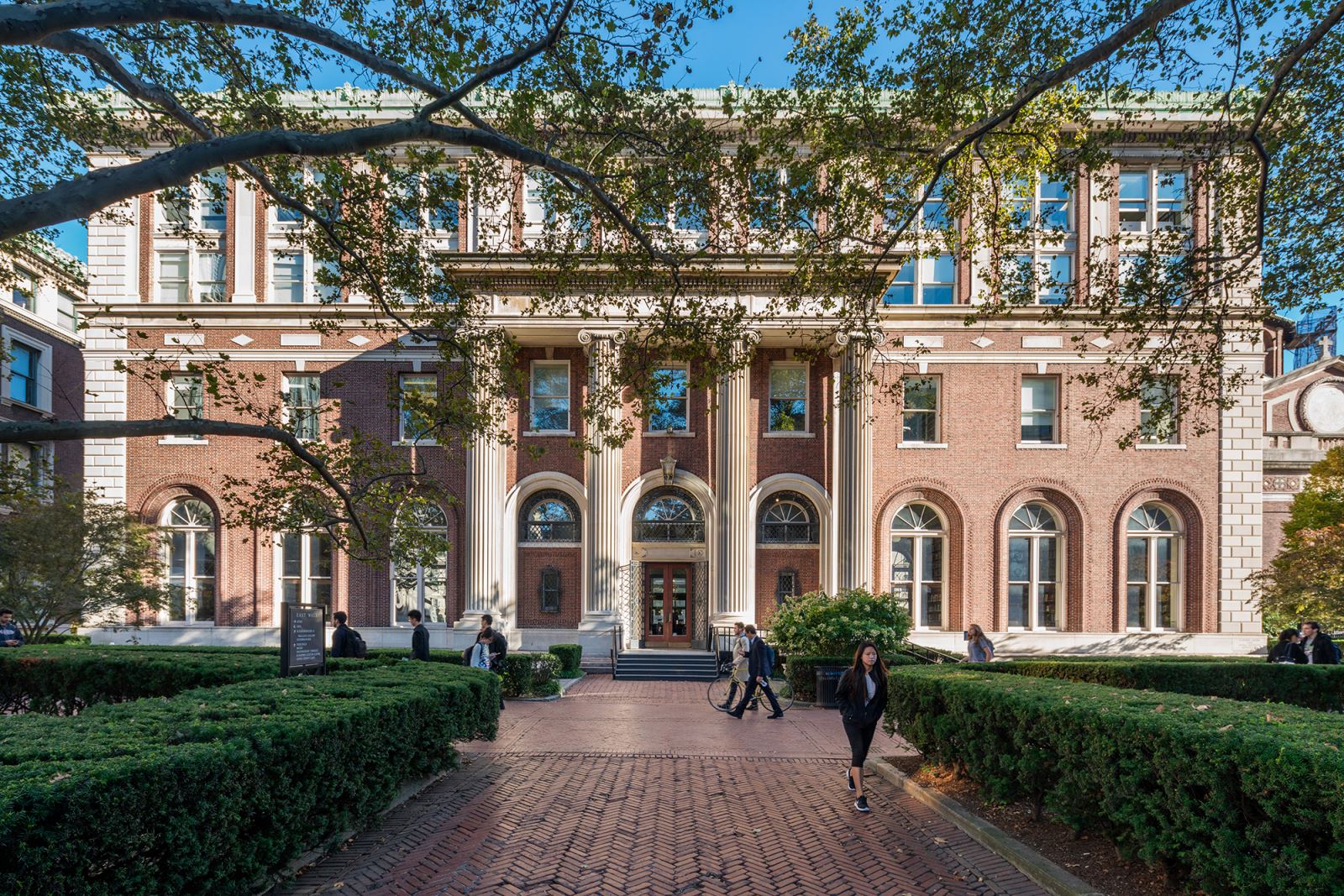
Columbia's Graduate School of Architecture, Planning, and Preservation (GSAPP) is inextricably linked to New York City.
The city is both its campus and its primary subject of study. GSAPP is known for being fast-paced, theoretical, and heavily focused on the intersection of architecture, real estate, and global capital.
The Studio X global network allows students to study in satellite labs around the world, reinforcing the school's globalist perspective.
The curriculum is vast, with an incredible range of electives that allow students to dive into everything from film-making to real estate development finance.
It produces graduates who are savvy, well-connected, and comfortable operating in the high-stakes world of major urban development. It is a school for the ambitious urbanist who wants to build big in big cities.
- Acceptance Rate:14% (M.Arch)
- Annual Degrees Awarded:~90
- SAT Score:1510 – 1560 (Undergrad pre-arch)
- Median Starting Salary:$68,000
14. Tongji University – China
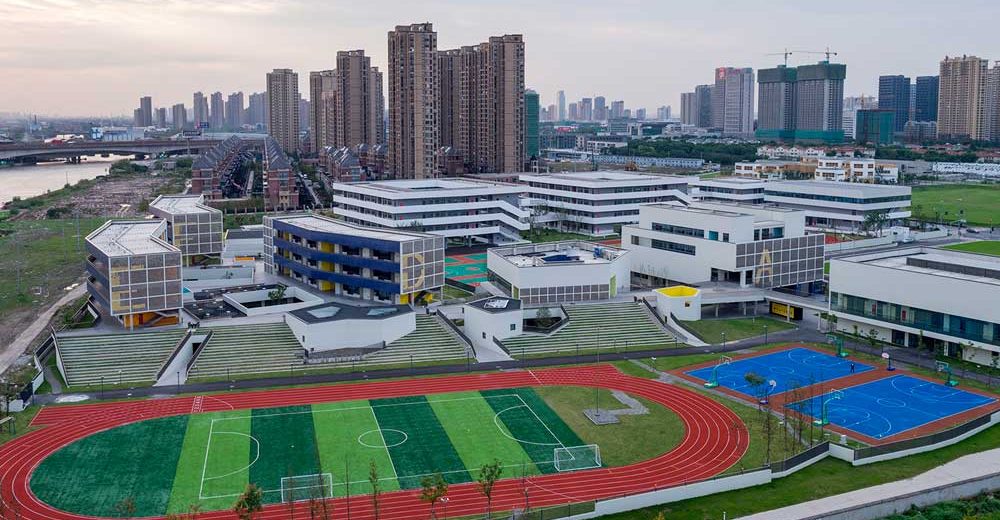
Located in Shanghai, Tongji University is one of the oldest and most prestigious architecture schools in China.
Its history is unique, having been founded by German physicians, which instilled a strong Bauhaus influence that persists today.
This blend of German functionalism and Chinese rapid development creates a curriculum that is both disciplined and incredibly fast-paced.
Tongji is the primary feeder school for Shanghai's major design firms. The campus environment is intense, reflecting the competitive nature of the Chinese construction market.
Students here are trained to handle projects of massive scaleentire districts, skyscrapers, and infrastructure networksthat are rarely found in Western curricula. For a career in the Asian megacities, a degree from Tongji is the ultimate credential.
- Acceptance Rate:~5%
- Annual Degrees Awarded:~150
- SAT Score:N/A
- Median Starting Salary:¥180,000 ($25k USD)
15. The Hong Kong Polytechnic University – Hong Kong

PolyU sits in one of the densest urban environments on Earth, and its curriculum reflects that reality.
The School of Design is famous for its focus on high-density living and the technical challenges of vertical cities. Zaha Hadid’s Innovation Tower houses the school, serving as a constant reminder of the possibilities of parametric designand complex geometry.
The program is highly technical and practical. Students are trained to solve the specific problems of Hong Kong: extreme lack of space, the need for complex multi-level circulation, and sub-tropical climate control.
It is an excellent school for those interested in the engineering side of architecture and the future of hyper-dense urban living.
- Acceptance Rate:~18%
- Annual Degrees Awarded:~80
- SAT Score:N/A
- Median Starting Salary:HKD 240,000 ($30k USD)
16. The University Of Tokyo – Japan

Todai is the pinnacle of Japanese academia. Its architecture department is legendary, having produced Pritzker Prize winners like Kenzo Tange, Toyo Ito, and Kengo Kuma.
The pedagogy is a fascinating blend of high-tech engineering (necessary for Japan's earthquake-prone geography) and a deep, philosophical reverence for materials and space known as Ma.
The laboratory system here is distinct: students join a professor's lab in their final years, working almost as apprentices on that professor's real-world research or design projects.
This mentorship model creates a lineage of design thought that is preserved and evolved over generations. It is an academically elite environment that demands perfectionism and deep dedication to the craft.
- Acceptance Rate:<10% (Entrance Exam)
- Annual Degrees Awarded:~100
- SAT Score:N/A
- Median Starting Salary:¥4,000,000 ($27k USD)
17. University Of California, Los Angeles (UCLA) – USA
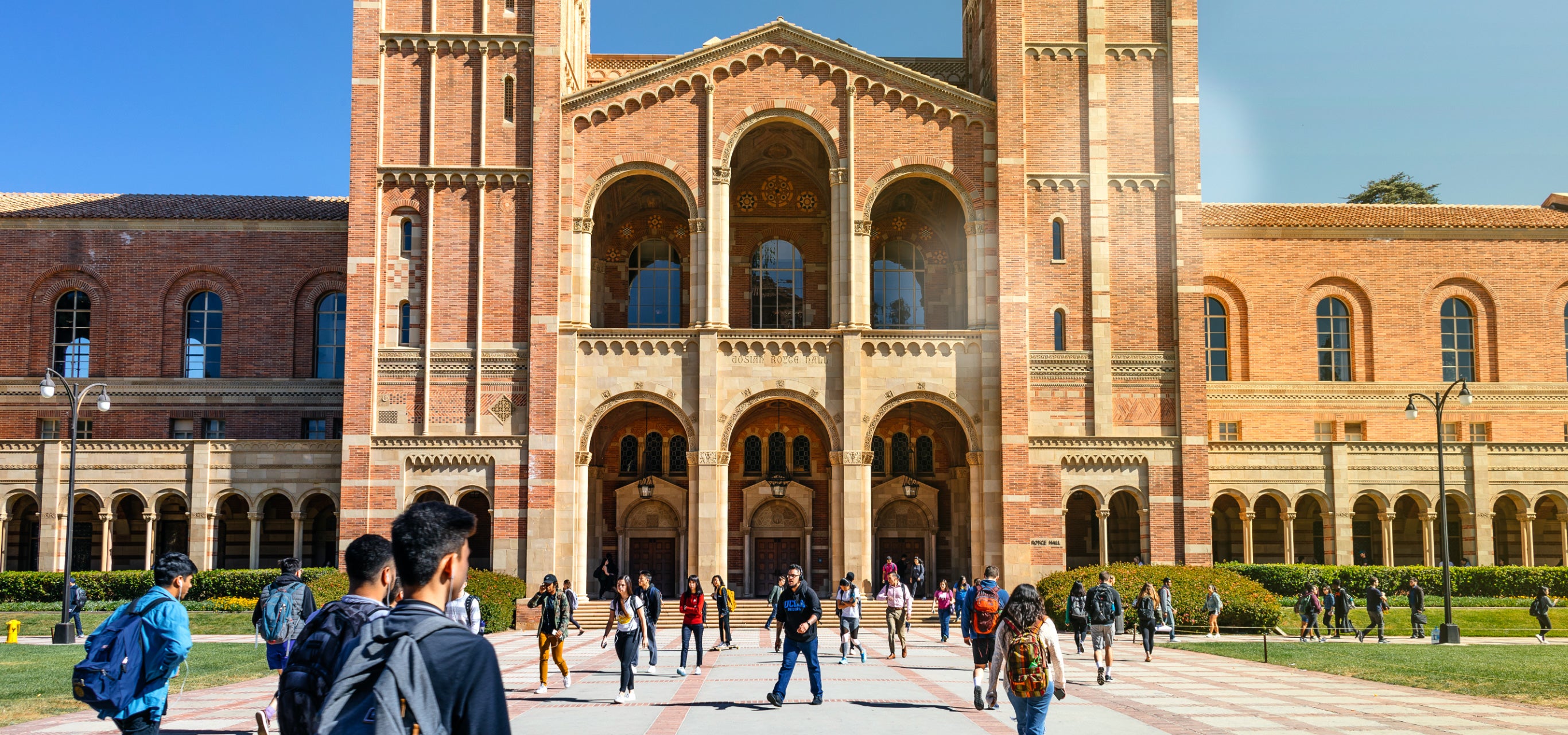
UCLA Architecture and Urban Design (AUD) acts as a bridge between the profession and the entertainment industry.
Located in Los Angeles, the school embraces the city's culture of image-making, utilizing advanced animation software, gaming engines, and cinematic techniques in architectural representation. It is less about building in the traditional sense and more about world-building.
The Suprastudio program creates partnerships with industry giants like Disney, Boeing, and Hyperloop, allowing students to work on futurist projects that go beyond standard buildings.
The vibe is creative, loose, and highly experimental. If you are interested in set design, entertainment architecture, or speculative futures, UCLA offers a playground that traditional schools cannot match.
- Acceptance Rate:3.3% (School of Arts and Architecture)
- Annual Degrees Awarded:~50
- SAT Score:Test Blind
- Median Starting Salary:$60,000
18. Cornell University – USA

Cornell is widely considered the finest undergraduate (B.Arch) program in the United States, holding the #1 spot in rankings for years. The program is famous for its intensity.
The Dragon Day tradition, where first-year architects build a massive dragon to parade on campus, is a symbol of the camaraderie forged through sleepless nights in Milstein Hall.
The pedagogy is rooted in a rigorous, formalized approach to design. History, theory, and representation are taught with military precision.
Unlike schools that encourage loose experimentation early on, Cornell demands mastery of the fundamentals first.
A Cornell graduate is known in the industry as a safe bet. They are famously competent, with excellent drawing skills and a deep understanding of architectural history.
If you are willing to endure five years of extreme academic pressure to emerge as a master of the discipline, this is the place.
- Acceptance Rate:8% (AAP College)
- Annual Degrees Awarded:~60
- SAT Score:1480 – 1560
- Median Starting Salary:$66,000
19. Politecnico Di Torino – Italy
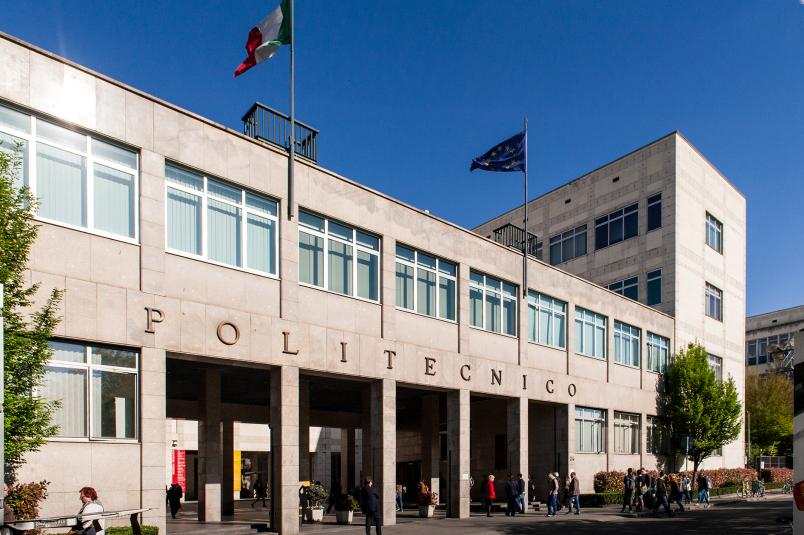
While Milan grabs the headlines for fashion and design, Turin is the industrial heart of Italy, and its Politecnico reflects that.
The architecture program here is deeply influenced by the city's automotive and industrial heritage. The curriculum is heavily focused on the restoration of existing structures, adaptive reuse, and building technology.
It is arguably more technical than its Milanese rival, with a strong emphasis on sustainability and energy efficiency in restoration.
For students interested in the specific European challenge of modernizing ancient buildings and industrial heritage sites, Turin provides a specialized, highly respected education that blends history with hard engineering.
- Acceptance Rate:~30%
- Annual Degrees Awarded:~400
- SAT Score:N/A
- Median Starting Salary:€26,000 ($28k USD)
20. Georgia Institute Of Technology (Georgia Tech) – USA

Georgia Tech has rapidly climbed the rankings by embracing its identity as a top-tier research institute.
The College of Design is not about Beaux-Arts drawing; it is about high-performance building, digital fabrication, and shape grammars.
The school is home to the Digital Building Laboratory, which links students directly with construction tech companies.
The curriculum is perfect for the left-brained architectthe student who loves math, logic, and optimization as much as design.
Graduates are often recruited not just by architecture firms, but by construction management giants and software developers. It offers a practical, future-proof education that focuses on how buildings are actually put together in the digital age.
- Acceptance Rate:16%
- Annual Degrees Awarded:~80
- SAT Score:1370 – 1530
- Median Starting Salary:$62,000
Also Check Out: Leonardo Da Vinci Architecture
Choosing The Right Undergraduate Architecture School
You’re not just picking a campusyou’re picking the studio environment that will shape how you think, draw, model, and present for the next 4–5 years.
The right undergraduate architecture school is the one that reliably turns your effort into strong work and keeps your long-term path (including licensure, if that’s your goal) clear.
Illustrative scenario: Mina loves two schools equally on paper. School A is higher-ranked, but student portfolios look wildly unevenone superstar, many just okay.
School B is slightly lower-ranked, yet the graduating class shows consistent craft, clean diagrams, and confident reviews. Mina chooses B because it’s a better portfolio pipeline, not just a better headline.
Use these decision filters in order:
- Degree path first:Are you aiming for a professional architecture degree route (like a B.Arch), or a pre-professional BA/BS + later M.Arch? If licensure in the U.S. is likely, check whether the program is NAAB-accredited (for professional degrees) since NAAB is the accreditor recognized by U.S. registration boards.
- Studio culture:How are critiques supportive and rigorous, or performative and chaotic? Ask students what a normal week feels like.
- Facilities and making: Do students have real access to shops, digital fabrication, and software workflowsor are resources mostly theoretical?
- Portfolio output:Look for consistency across many student portfolios, not just marketing best-of galleries.
- Career ecosystem:What’s the internship/co-op rhythm, and how connected is the school to firms, public agencies, and design-build opportunities nearby?
Takeaway:Rankings can start your list, but degree path + studio culture + portfolio consistency should decide your shortlist.
What Careers Can You Pursue After Architecture School?
This section helps you see architecture as a platform degree that can lead to licensed practice or pivot into adjacent design and building industries. That flexibility matters, especially early on when your interests sharpen through studios and internships.
Here are common career directions architecture grads pursue (some require licensure; many don’t):
- Architect:Design, document, and coordinate buildings; licensure typically includes education, supervised experience, and exams.
- Architectural designer:Concept design, visualization, detailing, BIM production, and coordination under licensed leadership.
- Urban design/city planning:Public realm, mobility, housing, zoning-informed design, and master planning.
- Interior architecture/workplace strategy:Space planning, user experience, and interiors that align with how people work and move.
- Computational design / BIM & digital practice:Parametric modeling, automation, computational workflows, and digital delivery standards.
- Sustainability/building performance:Energy modeling, embodied carbonstrategy, passive design, and resilience planning.
- Construction / design-build / project management:Translating design intent into buildable reality, budgeting, sequencing, and on-site coordination.
- Real estate development/owner’s rep:Evaluating projects, feasibility, pro formas, design management, and stakeholder alignment.
Takeaway:Architecture school trains you to think in systemsso your career options extend far beyond traditional architect, depending on what work you enjoy most.
Career Outlook For Architecture Majors
You don’t need guaranteesyou need credible signals about pay, demand, and the shape of the path. For U.S.-based readers, the Bureau of Labor Statistics (BLS) is a solid baseline because it publishes standardized pay and projection data.
Architecture Employment Outlook (U.S.)
BLS reports
- Median annual wage for architects:$96,690 (May 2024).
- Projected growth:4% from 2024 to 2034 (about as fast as average).
- Openings:about 7,800 openings per year on average over the decade.
The Licensure Path
BLS notes the typical steps to become a licensed architect include completing an architecture degree, gaining experience through an internship, and passing exams.
NCARB’s Architectural Experience Program (AXP) is required by most U.S. licensing boards and includes 3,740 hours of documented experience.
A Higher-Ceiling Adjacent Path
If you’re drawn to leadership and coordination at scale, BLS lists architectural and engineering managers with a median annual wage of $167,740 (May 2024).
Takeaway: The outlook is steady, and the best leverage comes from pairing a strong portfolio with experiencethen choosing whether your path is licensure, specialization, or leadership.
Build Your Future At The Right School.
This is the part most ranking lists never say out loud: the right school is the one that makes you productive in the studio, confident in critique, and competitive in the job market with a portfolio you can defend.
Illustrative scenario: Two students graduate from top-ranked programs. One has a stunning final project but weak process work; the other has consistent iteration, clean drawings, and proof of collaboration.
Hiring managers tend to trust the second student, because the portfolio reads like repeatable thinkingnot a one-time performance.
Use this quick decision script to finish your shortlist:
- Verify degree path + accreditation (especially if U.S. licensure is likely).
- Audit 10–15 student portfolios from each program.
- Interview the studio culture: ask students what critiques feel like and how often they get feedback.
- Confirm resources you’ll actually use (shops, fabrication, computational tools, labs).
- Choose the ecosystem (city/region) where you can realistically intern and build relationships.
Takeaway:A top school isn’t the one with the loudest reputation; it’s the one that consistently turns your time into skills, work, and opportunities you can carry into practice.
Don't Miss:Tadao Ando Architecture
Frequently Asked Questions
What Is The #1 Architecture School In The World?
While rankings fluctuate, The Bartlett (UCL) and MIT consistently vie for the top spot globally due to their massive research output and facility quality. For undergraduates specifically, Cornell is often cited as the US leader.
Which Architecture School Is Hardest To Get Into?
Cooper Union and Cornell are notoriously difficult. Cooper Union’s acceptance rate for architecture often dips below 5%, making it statistically harder to enter than many Ivy League general colleges.
Do Rankings Matter For Architecture?
Yes, but hiring reputation matters more than university prestige. Firms look at DesignIntelligence rankings (which measure hireability) rather than US News. A degree from a practical school like Cal Poly SLO is often more valuable for getting a job than a theoretical degree from a prestigious liberal arts college.
What Is The Best Country To Study Architecture?
The US, UK, and Netherlands offer the highest density of top-ranked programs. The US is best for licensure-focused professional degrees (B.Arch), while the UK and the Netherlands excel in experimental and social housing design.
Is A Ba In Architecture The Same As A B.Arch?
No. A B.Arch is a verified 5-year professional degree that allows you to pursue licensure. A BA in Architecture is a 4-year liberal arts degree; you will typically need to complete an additional 2-3 years of Master’s (M.Arch) to become a licensed architect.
Which Colleges Focus On Sustainable Architecture?
UC Berkeley and the University of Oregon are global leaders in this niche. They prioritize environmental systems, passive design, and timber construction in their core curriculum, rather than just as electives.
How Important Is The Portfolio For Admission?
It is critical. For top design schools, the portfolio often outweighs GPA. Admissions teams look for creative risk-taking and spatial reasoning (how you understand 3D space) rather than just technical drafting skills.
Are Architecture Schools Expensive?
Yes, often more than other majors due to studio fees and material costs (model supplies, plotting, software). However, schools like Cooper Union and Rice offer significant financial aid packages to offset these costs.
Final Thoughts
The best college is the one that produces the kind of work you want to make. If you love hand-drawing and history, do not go to a school that forces you to code in Python for four years.
My final advice? Visit the studios. Walk through the building at 8:00 PM on a Tuesday. The energy in that roomwhether it’s frantic, collaborative, joyful, or depressedwill tell you more than any ranking list ever could.
Jump to
Technical, Artistic, Or Theoretical? Navigating The Top Ranked Colleges For Architecture
Top 20 Ranked Colleges Of The World
Choosing The Right Undergraduate Architecture School
What Careers Can You Pursue After Architecture School?
Career Outlook For Architecture Majors
Build Your Future At The Right School.
Frequently Asked Questions
Final Thoughts

George Evans
Author
George Anderson, an exceptional architectural designer, envisions and brings to life structures that transcend the realm of imagination. With an unwavering passion for design and an innate eye for detail, George seamlessly blends form and function, creating immersive spaces that inspire awe.
Driven by a deep appreciation for the interplay of space, light, and materials, George's innovative approach redefines the possibilities of architectural design. His visionary compositions leave an indelible mark, evoking a sense of wonder and transforming the built environment.
George Anderson's transformative designs and unwavering dedication continue to shape the architectural landscape, pushing the boundaries of what is possible and inspiring generations to come.
Latest Articles
Popular Articles